At a time when more and more people are looking for natural alternatives to support your health and reduce over-medication, phytotherapy is once again at the heart of everyday wellness. The National Association of Professionals and Freelancers of Natural Therapies (Cofenat) remember that medicinal plants are a tool efficient, accessible and sustainable, provided they are used appropriately.
Virginia Ceballos, naturopath, acupuncturist, massage therapist and author of Wild pharmacy, shares the essential keys to integrating phytotherapy into daily life with knowledge and safety.
What are medicinal plants really?
Ceballos explains that these are plants that contain active ingredients capable of preventing, alleviating or ameliorating a variety of conditions, either using the whole plant or specific parts such as flowers, leaves or roots.
Common applications include:
- Digestive problems
- Anxiety and insomnia
- Colds and coughs
- Muscle and joint pain
- Skin alterations
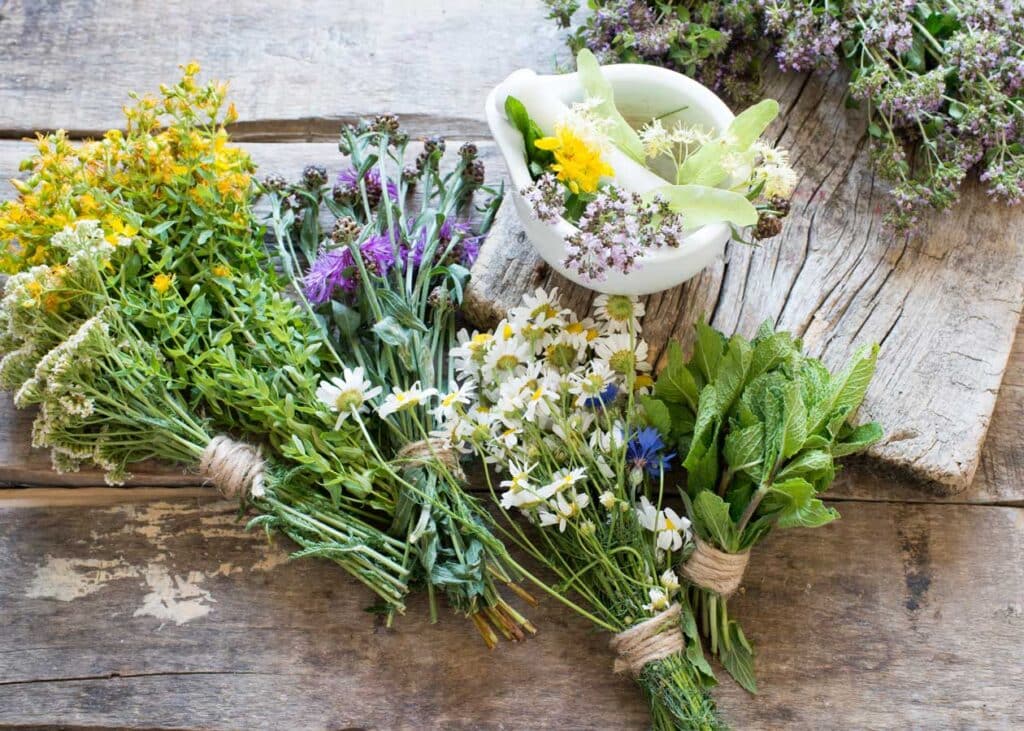
For a safe domestic use, the expert highlights plants such as the chamomile, lime blossom, thyme, calendula, mallow, lemon balm and lavender, The use of these drugs, always used in appropriate doses and after assessing possible preconditions of the person.
What to consider before use
Although phytotherapy is a valuable tool, Ceballos stresses the importance of be well-informed before preparing any natural remedy. Its recommendations include:
- Correctly identify the species.
- Check contraindications in pregnancy, lactation or infancy.
- Consider possible drug interactions.
- Assess previous allergies: for example, those allergic to asteraceae should not take chamomile.
- Ensure the quality and origin of the product.
Many common mistakes - such as boiling plants that only need to be infused or using inadequate doses - can diminish their effectiveness or even generate unwanted reactions. “Small details in preparation make all the difference,” the expert reminds us.

Dose and method: two pillars of efficacy
The author stresses that “dosage and method of preparation are critical”. A plant may have no effect if used in a small amount, but can be toxic if used in excess.
In addition, the chosen format -infusion, decoction or tincture- will determine which compounds are extracted and with what potency.
Plants to be used with professional advice
While many species are safe, there are others that require expert supervision. Some plants are hepatotoxic and should be used externally only, like comfrey.
There are also species of narrow therapeutic margin, such as ephedra or lobelia, which require close monitoring by a qualified professional.
A natural and conscious return
The current boom in phytotherapy is not a passing fad. According to Ceballos, it responds to a conscious return to nature, This is driven by increased environmental concerns, a growing interest in sustainable solutions, scientific validation of traditional uses and a preference for methods that accompany health without always resorting to pharmaceuticals.
Natural pharmacy is more alive than ever, and its potential to improve everyday wellbeing continues to grow... as long as we use it with respect, knowledge and responsibility.