
In the universe of wellness, few conversations are as necessary - and as overdue - as the one connecting sexual health and metabolism. Libido, desire, performance, energy and hormonal balance are not isolated or merely psychological phenomena: they are, to a large extent, metabolic signals.
As interest in longevity and all-round performance grows, the science is becoming increasingly clear: sexual health is an early marker of cardiovascular, metabolic and mitochondrial status. And, surprisingly, breathing can provide key information that many conventional tests miss.
Desire, arousal and performance depend on three major physiological pillars:
- Adequate blood flow
- Hormone balance
- Efficient energy production
All of them are directly modulated by metabolism.
Scientific evidence shows that cardiovascular fitness, insulin sensitivity, body composition and mitochondrial efficiency directly influence sexual function in both men and women. In fact, erectile dysfunction is widely recognised as an early marker of vascular disease.
In women, low desire is often linked to metabolic syndrome, hormonal disturbances and fatigue associated with poor energy fuel utilisation.
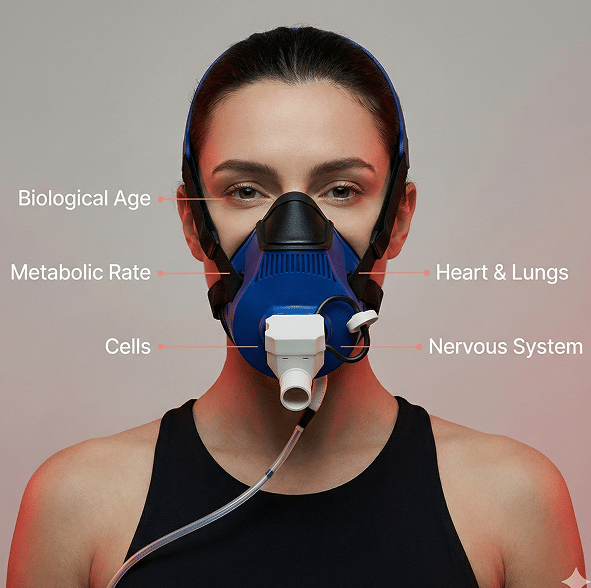
Cardiovascular fitness: the engine of intimacy
VO₂ Max - a key indicator of cardiorespiratory fitness - is closely related to vascular function and endothelial health. In practical terms: the better your aerobic capacity, the more likely you are to maintain healthy sexual function.
Several studies and clinical surveys have reinforced this connection:
- Most men report that exercise improves their sexual performance and desire.
- However, about one third do not engage in regular physical activity.
- Nearly one in five reported low sexual desire in the past year.
- A similar proportion experienced erectile difficulties.
These symptoms should not be interpreted as just a “normal” part of ageing. In many cases, they are the first warning sign of cardiovascular disease, uncontrolled diabetes or hypertension.
Insulin resistance: the silent inhibitor of desire
Poor blood glucose regulation alters sex hormones, reduces blood flow to the reproductive organs and contributes to decreased desire in both sexes.
Insulin resistance not only affects energy metabolism: it suppresses hormone production, impacts mood and compromises sexual responsiveness. It is a silent, progressive and often under-diagnosed process.
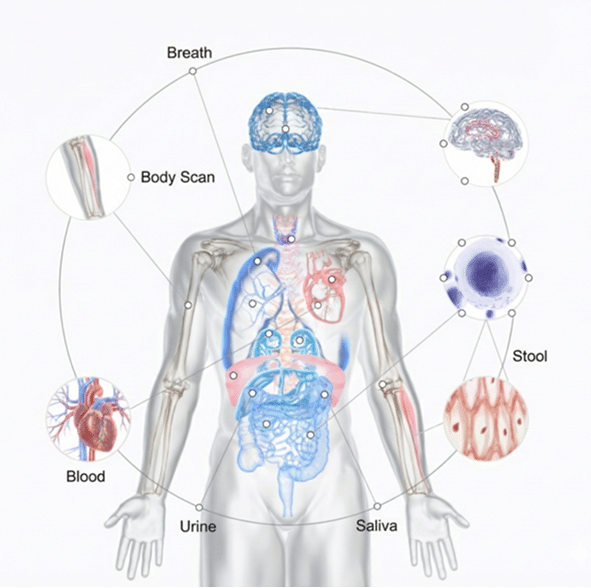
Breathing reveals what tests do not
This is where the metabolic analysis through breathing.
Respiratory assessment can measure:
- Fat oxidation efficiency
- Mitochondrial production
- Metabolic flexibility
These parameters can identify dysfunctions in energy fuel use before obvious clinical symptoms appear.
A poor ability to oxidise fat, for example, may indicate mitochondrial disturbances that affect energy, mood and libido. In this sense, respiratory analysis provides a functional dimension that goes beyond conventional analyses.
Mental health, body image and metabolism: an interconnected loop
Stress, self-image and mood influence both sexual desire and motivation to exercise. This creates a physiological and psychological circle where metabolism, mind and sexuality feed back into each other.
Lack of conversation about these symptoms exacerbates the problem: many men, for example, do not discuss sexual difficulties even though they may be the first warning sign of an underlying metabolic or cardiovascular disorder.
Actionable strategies to optimise sexual vitality
- Evaluate your VO₂ Max to know your cardiovascular and vascular health.
- Perform moderate-intense aerobic exercise 3-4 times a week. to improve blood flow and hormonal balance.
- Incorporate strength training 2-3 times per week to support testosterone, body composition and sex confidence.
- Analyse your metabolic flexibility through breathing tests to detect problems in fat oxidation and mitochondrial function.
- Addressing insulin resistance at an early stageglycaemic dysregulation suppresses sex hormones and impairs sexual response.
- Don't normalise sexual symptomsmay be the first sign of a metabolic red flag.
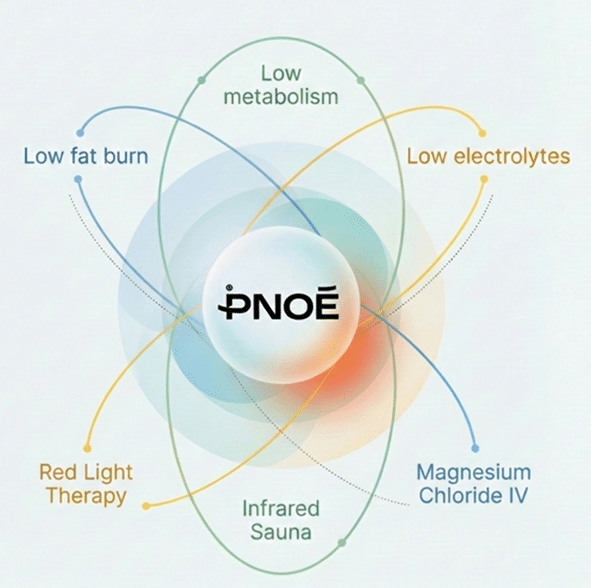
Bringing data into the conversation
Sexual well-being is not a watertight compartment or an exclusively psychological issue. It is a visible - and intimate - expression of metabolic health.
Understanding what your breath reveals about your energy efficiency can transform the way you approach desire, performance and long-term vitality. Because ultimately, healthy intimacy doesn't start in the mind or the partner: it starts in the mitochondria.