Hair is much more than aesthetics. It is a visible biomarker of chronic inflammation, hormonal imbalances, sustained stress and nutritional deficits. On World Hair Day, the relevant question is not just how to keep it shiny, but how to preserve - or restore - its biology.
Today, cosmetic solutions, medical therapies, regenerative technology and, at an advanced experimental stage, true hair organ engineering are all on the market. The landscape is broader than ever before. But not everything has the same level of evidence or the same biological scope.
The hair follicle is not a passive structure: it is a mini-organ that goes through complex cycles of growth (anagen), regression (catagen), rest (telogen) and shedding.
Factors such as:
- Chronic stress
- Thyroid and hormonal disorders
- Metabolic inflammation
- Environmental pollution
- Genetic predisposition
can shorten the growth phase and prolong the resting phase, reducing capillary density and calibre.
The key, therefore, is not only to “strengthen the hair”, but to intervene on the biological microenvironment of the follicle. Today, the most common treatments found in hair clinics are the following four.
1. Hair mesotherapy
Protocols such as MesoHAir+ combine vitamins, amino acids and biostimulatory factors infiltrated into the scalp.
Evidence: Useful in the initial phases of effluvium and mild androgenetic alopecia. Improves vascularisation and provides metabolic substrates.
Limitation: does not regenerate lost follicles.
2. PRP (Platelet Rich Plasma)
Treatments such as ActivePlasma use autologous growth factors to stimulate hair bulb cells.
Evidence: Clinical studies show moderate increases in density and thickness in selected patients.
Limitation: depends on the biological quality of the patient and requires maintenance.
3. Photobiomodulation (LLLT)
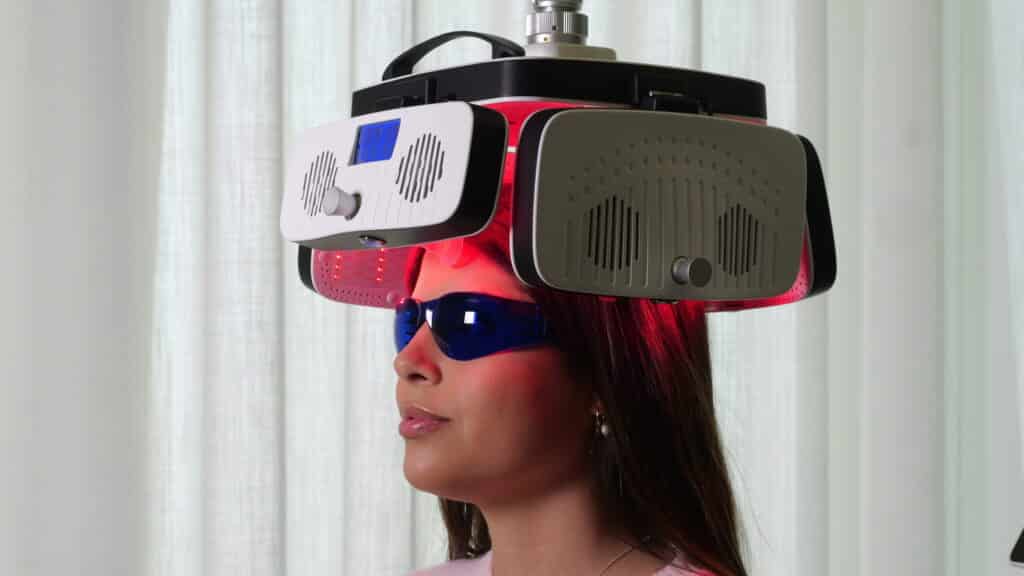
Low level laser therapy stimulates cellular mitochondria and increases ATP production.
Evidence: improves density in mild-moderate androgenetic alopecia with constant use.
Advantage: complementary home treatment.
Limitation: gradual and adhesion-dependent effect.
4. Advanced FUE hair transplantation
When alopecia has progressed, transplantation by individual follicular unit extraction remains the most definitive solution.
High-precision technologies allow:
- Improved follicular survival
- Natural front line design
- Permanent results
Structural limitation: redistributes existing hair, it does not create new follicles. And this is where the real paradigm shift begins.
The biotechnological leap: regenerating the follicle from scratch
The Japanese company OrganTech has taken a step that could redefine the treatment of alopecia.
In collaboration with the RIKEN Center for Biosystems Dynamics Research, researchers have identified what they describe as the “minimal cell pool” needed to regenerate functional hair follicles in the laboratory.
The finding, published in the scientific journal Biochemical and Biophysical Research Communications, solves a key problem that had been limiting hair regeneration for years: how to maintain the full growth cycle over the long term.
Until now, attempts at regeneration have combined:
- Epithelial stem cells
- Dermal papilla cells
These structures were able to form initial “follicular germs”, but did not maintain a stable complete cycle.
The OrganTech team identified a third accessory mesenchymal accessory cell, previously uncharacterised, which:
- Activates the transition from the resting phase to the growth phase
- Allows the follicle to extend into the surrounding tissue
- Supports the complete hair cycle after transplantation
In murine models, laboratory-generated follicles:
- They were integrated with the receiving tissue
- Maintained sustained capillary production
- They continued to cycle in vivo
That is, they not only produced hair: they functioned as biologically active follicles.
Most current therapies stimulate or redistribute. This approach aims to creating new functional follicles from scratch. From a scientific point of view, the breakthrough is relevant because:
- Define a precise cellular architecture for regeneration
- Reinforces the concept of epithelial-mesenchymal interaction as the basis of organogenesis.
- It opens the door to strategies that can also be applied to artificial skin and dental bio-implants.
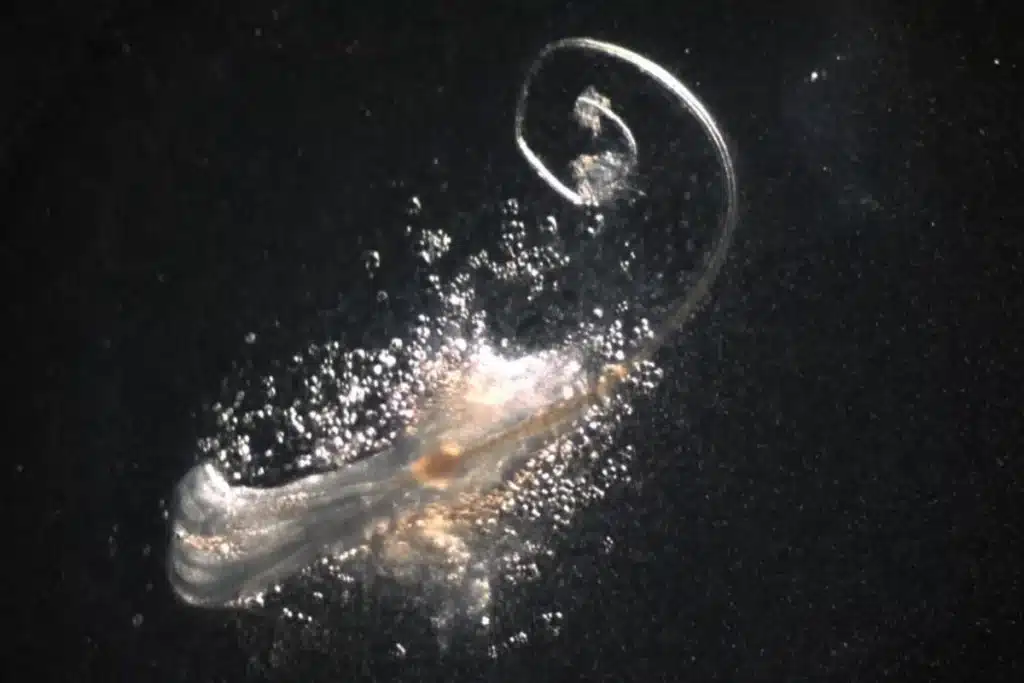
OrganTech specialises precisely in epithelial-mesenchymal interaction biology, one of the most sophisticated frontiers of regenerative medicine.
Although development is at the pre-clinical stage, the experimental model demonstrates functional, not just structural, feasibility.
Today, clinical practice combines:
- Personalised medical diagnosis
- Biostimulatory therapies
- Laser technology
- Advanced hair transplantation
In the future, we could talk about:
- Autologous follicular regeneration
- Bioengineered implants
- Hair restoration without limitation of donor site
The difference is profound: from redistributing biological resources to manufacturing them. Hair care is no longer just about cosmetics. It is about metabolic health, hormonal balance and cellular biology.
Current evidence supports multiple effective clinical tools for slowing down loss and improving density. But the real revolution could be in the bioengineering labs.
If complete follicular regeneration in humans confirms the preclinical results, alopecia will no longer be an irreversible condition but a tissue reconstruction problem. And that would change not only the hair market, but regenerative medicine as a whole.