
Fibromyalgia is a chronic disease characterised by widespread musculoskeletal pain, persistent fatigue, sleep disturbances and cognitive symptoms. Despite its high prevalence and profound impact on the quality of life of sufferers, it remains one of the most under-diagnosed and least understood conditions in the healthcare system.
In Spain, it is estimated to affect approximately 2.4% of the adult population, which means close to one million people, with a clear predominance in women. However, the number of officially diagnosed patients is considerably lower, reflecting the difficulties that still exist in identifying and treating the disease.
Currently, most of the available treatments are based on symptom control using painkillers, antidepressants, physiotherapy or psychological interventions. Although these strategies may help to partially improve patients' quality of life, do not act directly on the physiological mechanisms that could be at the origin of the disease.
In recent years, different lines of research have begun to link fibromyalgia with alterations in the adaptive capacity of the organism to environmental stresses, also known as exposure stress, which encompasses all the physical, chemical, social and emotional factors to which a person is exposed throughout his or her life.
When this stress load exceeds the adaptive capacity of the organism, alterations in neurobiological regulatory systems may occur, including changes in the endogenous bioelectrical activity, a key element in communication and the functioning of the nervous system.
These adaptive dysfunctions can be manifested at the bodily level through measurable phenomena such as the fluctuating asymmetry, a biological indicator that reflects small deviations in body symmetry associated with states of chronic stress or physiological dysregulation.
In this context, an emerging line of research is exploring therapies aimed at restoring the neurobiological balance of the organism by modulating endogenous bioelectrical activity.
A scientific study published in the magazine Journal of Personalized Medicineentitled “REAC Neurobiological Modulation as a Precision Medicine Treatment for Fibromyalgia”.”, evaluated the effects of the neuromodulation technology Radio Electric Asymmetric Conveyor (REAC) in patients with fibromyalgia.
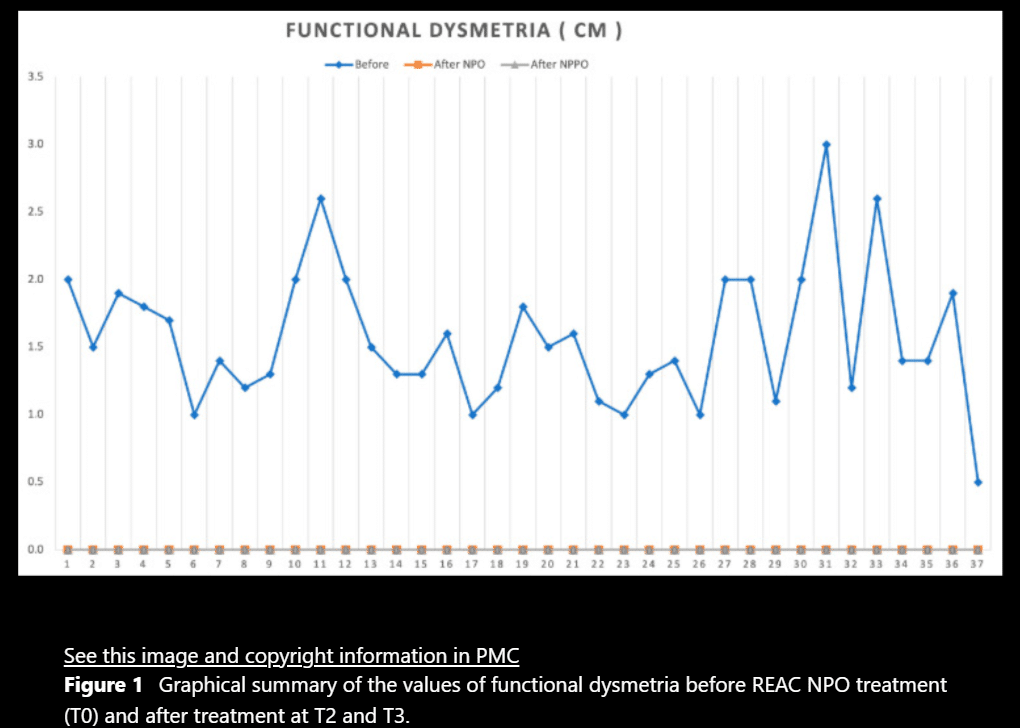
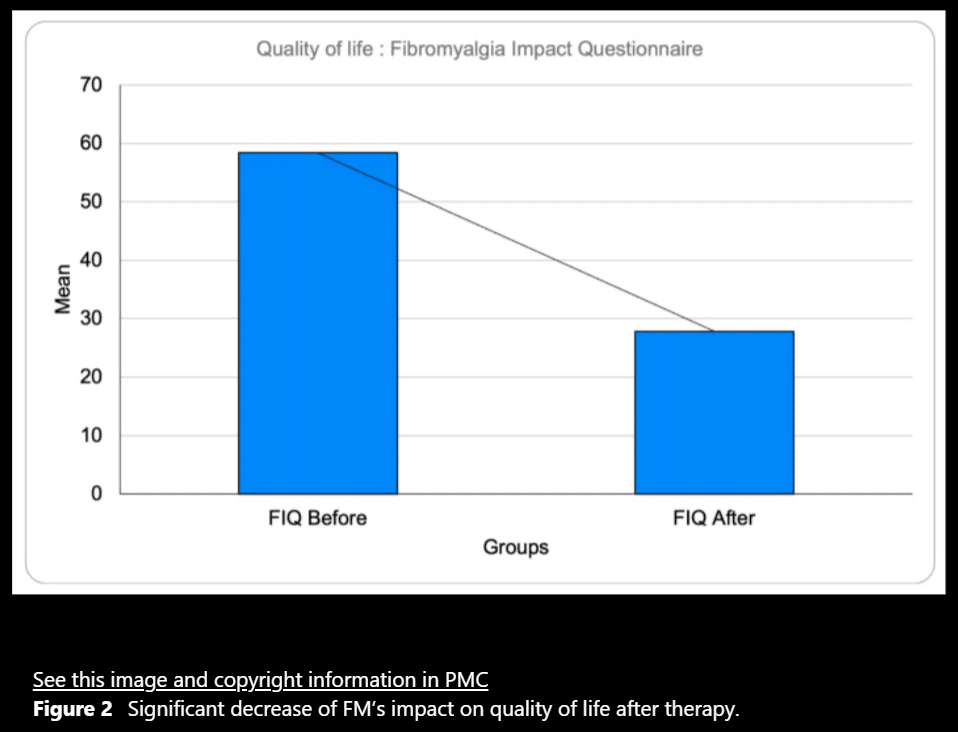
The research analysed 37 patients subjected to neurobiological optimisation therapeutic protocols, assessing parameters of motor response, functional dysmetry and quality of life using the questionnaire Fibromyalgia Impact Questionnaire (FIQ).
The results showed statistically significant improvements in psychomotor response, pain perception and quality of life., The results of the study showed a reduction in the indicators of adaptive dysfunction observed in all participants.
According to the authors of the study, these results suggest that treatments based on REAC technology could restore the neurobiological balance disrupted by environmental stresses, The use of painkillers, improving the body's adaptive capacity and reducing the need for painkillers.
Although neuro-biological modulation using REAC technology is already applied in several countries in the field of preventive and precision medicine, its knowledge and clinical application in Spain is still limited..
For specialists working in this field, expanding research into the role of the exposome stress, fluctuating asymmetry and endogenous bioelectrical activity could open up new perspectives in the approach to complex diseases such as fibromyalgia, as well as other disorders related to the body's adaptation to the environment.
In the face of the growing impact of chronic pain and pathologies associated with environmental stress, researchers agree on the need to exploring innovative therapeutic approaches that go beyond symptomatic treatment, but to address the neurobiological mechanisms underlying these diseases.