The global rise of longevity as a scientific discipline is also transforming the world of wellness and luxury hospitality. More and more hotels, resorts and wellness centres are looking to integrate advanced health programmes into the guest experience, but the key question remains the same: How much of this new ecosystem is actually backed by scientific evidence?
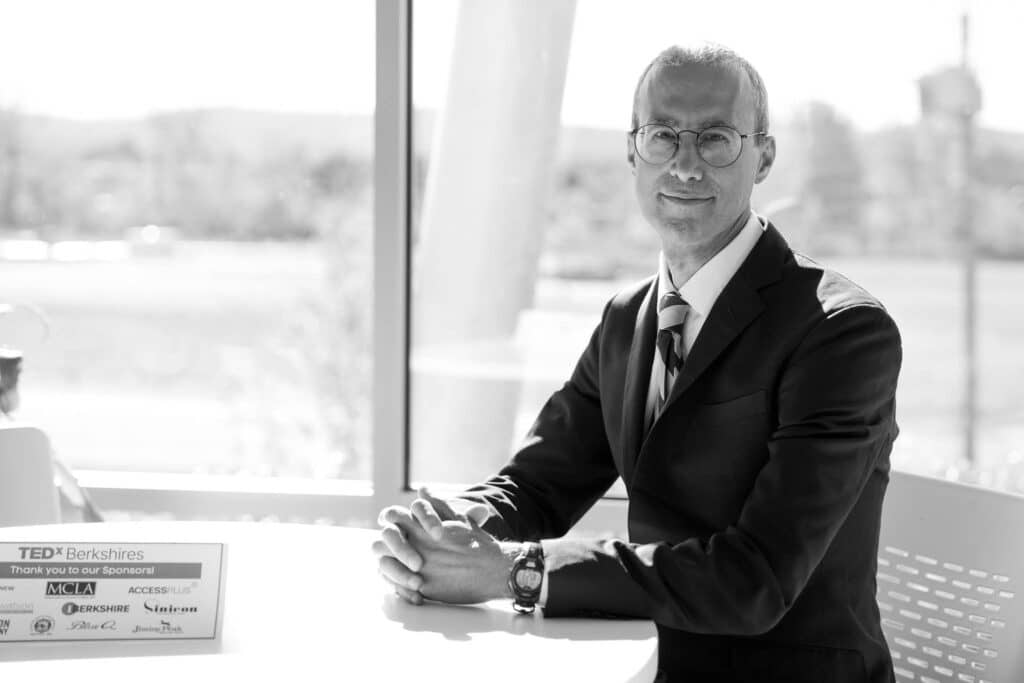
In this context, the voice of Dr. David Barzilai has become an international reference. A doctor specialising in longevity medicine, researcher and strategic advisor to clinics, wellness brands and hotel groups, his work focuses on a critical point in the sector: separating promising trends from those interventions that can actually improve health in the long term.
In this in-depth interview, Barzilai explains how a longevity programme should be designed with scientific rigour, what real opportunities exist for luxury hospitality and what are the most common mistakes hotels make when trying to incorporate advanced wellness into their proposition.
What do you think really differentiates the approach you are developing in your clinics from many other longevity or wellness centres that are emerging today?
My background is probably the best place to start, especially since I don't operate a traditional clinic. I am a board-certified physician in lifestyle medicine and have a PhD in health services research. This discipline analyses health interventions in populations to determine what actually produces better outcomes based on solid evidence. I teach at Harvard Medical School and am a founding member and trustee of the Geneva College of Longevity Science. Through Barzilai Longevity Consulting I provide clinical, scientific and strategic advice based solely on the best available data.
That approach gives me a very specific perspective on this industry. The longevity field is growing very fast. That's exciting, but it also implies a great need for the science to keep pace with the enthusiasm. Many interventions are being adopted before there is sufficient evidence. My main goal in every project is to provide a rigorous assessment, separating what is ready for clinical application from what still needs further study.
For individuals, I act as a strategic complement to their regular medical team. Most of my clients already have doctors they trust. What I bring is a deep level of personalisation. They may want to map in detail their cognitive health risks or assess whether a new fad therapy recommended by their clinic is actually supported by the scientific literature for their specific biology. I focus on the issues that matter most to them.
For organisations, I sit on advisory boards and help clinics, wellness brands and hospitality groups align their offerings with real science. That may involve reviewing clinical protocols or helping to position the brand with credibility. The organisations that are supported by evidence today are the ones that will still be trusted in ten years' time.
When designing a longevity-focused programme, what elements do you consider essential to create real value for the patient beyond wellness or standard preventive medicine?
Preventive medicine, as experienced by most people, is designed to detect problems when they already appear in a standard test. Longevity medicine needs to intervene years earlier. The goal is not just to know what to worry about, but to optimise. To help someone understand exactly how their body is functioning today and what specific actions they can take to improve their resilience and health trajectory.
That requires more in-depth diagnostics than most people have ever seen. I'm talking about full panels of biomarkers that go far beyond a basic cholesterol test, continuous glucose monitoring to detect metabolic patterns that fasting tests don't show, DEXA scans to accurately analyse body composition, and cardiovascular imaging such as coronary calcium scoring. Each offers a different window into how the body is ageing.
But the evidence is only worth what the clinical reasoning behind it is worth, and that is where the real value lies. Today anyone can order tests or buy a wearable. What people need is an expert who can integrate metabolic health, cardiovascular function and cognitive performance into a coherent strategy. My research background taught me how to analyse studies, effect sizes and whether the results translate into real benefits. A big part of my job is to help people not waste time and money on things that seem innovative but don't stand up to rigorous analysis.
Luxury hospitality is increasingly interested in integrating health and longevity services into the guest experience. From your perspective, where is the real opportunity for high-end hotels in this space?
Many hotels start by adding popular treatments to the spa menu: cryotherapy, red light or hyperbaric chambers. They have their place and guests love them, plus some have emerging evidence for recovery. But lining them up in a hallway does not create a longevity programme. There is a big difference between amenities that make you feel good one afternoon and a structured approach that provides useful information for long-term health. The best hotels will learn to do both.
The real opportunity is quite fundamental. There are many high net worth individuals who know they should focus on their health but simply can't find the time. They find the traditional clinical environment cold or uncomfortable. A luxury hotel can change that dynamic. Imagine arriving for a long weekend and your stay naturally includes a top-notch health assessment, with the same quality as a concierge service. You go home knowing something important about your metabolic health, your VO₂ max or your ability to recover.
The decisive variable is the clinical credibility behind the luxury. The difference between a programme that becomes a destination and one that disappears always depends on its scientific basis.
Many luxury hotel guests already have their own doctors, diagnoses and treatments. In this context, what kind of health or longevity services can hotels offer that complement, not replace, traditional medicine?
I spend a lot of time on this issue in my consultancy work. The strategy is to focus on what a traditional clinical setting cannot do well.
A hotel stay gives you three to seven days in a controlled environment. No medical practice has that kind of time. You can do body composition analysis, measure heart rate variability over several nights and monitor nutrition in real time. You can also introduce structured movement assessments to analyse functional fitness, strength or aerobic capacity. That's very difficult to replicate in a thirty-minute medical consultation.
For hotels with the right staff, continuous glucose monitoring is a powerful offering. Places like Clinique La Prairie already do this and research supports its use to obtain metabolic information even in non-diabetics. But I always caution that this is clearly in the medical domain. The data must be interpreted by a professional, otherwise it can create more confusion than clarity.
The golden rule for hospitality is to generate knowledge, not prescribe treatments. If a guest leaves knowing that their grip strength or cardiovascular condition is below the healthy standard for their age, they will have a much more concrete conversation with their doctor when they return home. This avoids the responsibility of acting as a medical clinic, but provides enormous value.
If you were asked to design a longevity programme for a luxury hotel or hotel group, how would you structure it? What would be its key components?
I tend to think about it according to the level of involvement the guest wants.
First there are the offers open to all, without appointment: a wellness concierge to advise on sleep, circadian rhythm in eating and access to infrared saunas or cold baths. Here I am always very clear: many of these modalities have no solid clinical evidence to claim that they prolong life. But that is not the right criterion for evaluating them. Their value is experiential. They create a restorative environment that changes how people feel. When someone experiences a well-designed day, with sleep, movement and rest aligned, it changes their perception of their habits at home.
The next level is structured assessments: half or full day with body composition analysis, metabolic and cardiovascular testing, followed by a consultation with a qualified clinician. Data without expert interpretation is noise. The guest should leave with a personalised report that can be shared with their clinician.
Finally, the most comprehensive level for longer stays includes continuous monitoring when clinical equipment allows, structured exercise programmes and recovery follow-up. For large hotel groups, this could evolve into longitudinal monitoring of client health across different visits and destinations.
For all this to continue after check-out, a seamless digital platform is a must. If the guest cannot easily access their data after check-out, the experience stays in the hotel and is not integrated into their life.
What assessments, technologies or experiences do you think fit particularly well in a hotel environment where efficiency and an exceptional experience are sought?
I like to divide them into two categories: clinical data and experiential wellbeing.
On the clinical side, DEXA scans are very effective: fast, non-invasive and reveal surprising information about muscle mass. Measuring basal metabolism is also useful, because it often challenges people's ideas about how many calories they actually burn. And the VO₂ max test provides an indicator with great predictive value for future health.
In the experiential part we find practices such as guided breathing, infrared saunas or exposure to cold. Interestingly, breathing has the strongest evidence. A recent meta-analysis in Scientific Reports showed that it significantly reduces stress and anxiety. If the guest can also see his or her cardiac variability improve in real time via biofeedback, the impact is very powerful.
There is no conflict between being scientifically rigorous and offering sensory experiences. Just be transparent about what is clinical and what is experiential.
What are the main mistakes hotels make when trying to introduce wellness or longevity into their proposition?
The biggest mistake is the gap between ambition and scientific basis. A hotel can build a spectacular space and launch a great marketing campaign, but not have done enough work on the scientific foundation. The customers they want to attract are very knowledgeable and they spot it quickly.
The second challenge is talent. Finding professionals who understand both luxury hospitality and clinical rigour is very difficult.
Another common mistake is trying to offer too much at the same time. When a hotel presents forty unconnected treatments, it appears to have no clear philosophy. A curated and coherent offer always works better.
And finally, integration. The hotels that will lead this sector will be those where health influences everything: the food, the lighting in the rooms, the air quality and the circadian design of the space.
How can a longevity programme maintain medical credibility without appearing too clinical inside a luxury hotel?
Clinical rigour is needed, but it doesn't have to feel like a hospital. The protocols and qualified professionals are behind it, as a basis. What changes is the way it is presented.
Consultations can take place in well-designed lounges instead of medical rooms. Reports can be presented in elegant digital interfaces. Even the language changes: it is not a medical intake, but a health discovery conversation.
I always compare this to a Michelin restaurant. In the kitchen there is extreme discipline, but the customer only sees an impeccable experience. In hospitality it is the same.
Which customer profile today is most interested in advanced longevity services within luxury hospitality?
I see two clear profiles.
The first is the high-performing executive in his forties or fifties who has prioritised his career for years and is beginning to feel the consequences. They have resources, but little time. Integrating a serious health assessment into a planned journey is very attractive.
The second is the highly informed health optimiser. They already monitor their sleep, read studies and seek out advanced tests that they cannot easily get on their own. For them, the longevity programme is the main reason for the trip.
There is also an interesting dynamic with couples: typically one drives the health interest and the other seeks a holiday. Resorts that manage to balance both interests will capture a large share of the market.
Looking to the future, do you think we will see a new model where hospitality and longevity medicine work together?
No doubt about it. Health is moving from a reactive to a proactive model. People don't want to wait until they get sick to act. They want to understand their biology and anticipate.
Hotels are a natural setting for this because they offer time and a suitable environment. The next decade will see the emergence of a new category combining luxury travel and health optimisation.
The smartest hotel groups will build long-term relationships with their guests, tracking their health over the years.
But this will only work with real partnerships between hospitality and credible scientific leadership.
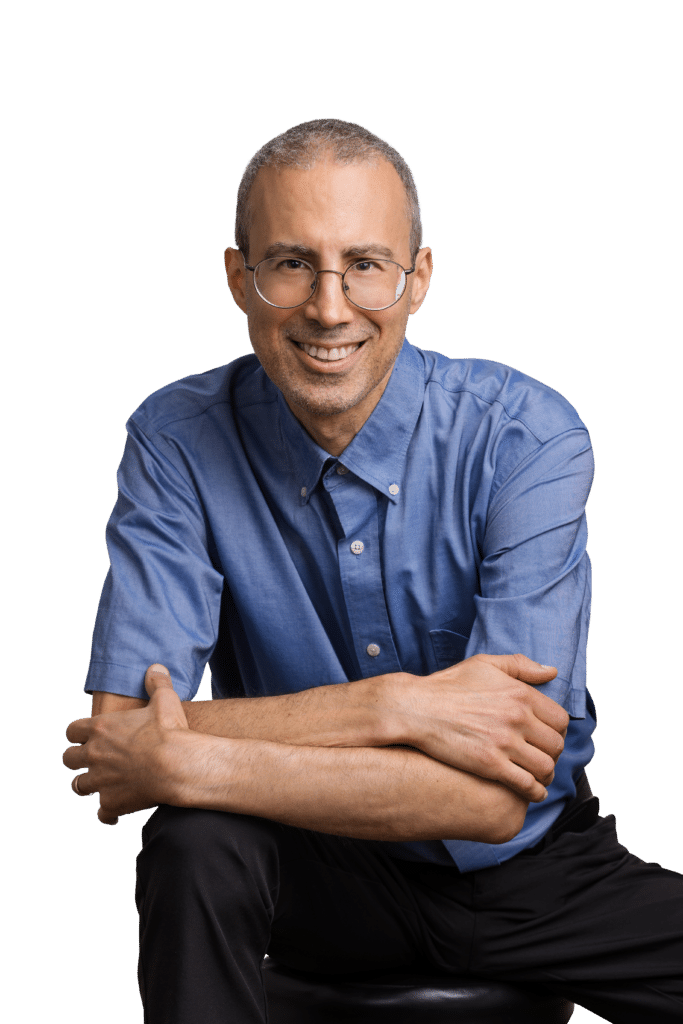
Dr. David Barzilai, MD, PhD, DipABLM, is a physician specialising in longevity medicine with nearly twenty years of experience. He holds a PhD in health services research - the discipline that evaluates which health interventions produce the best outcomes - and is a Diplomate of the American Board of Lifestyle Medicine.
He teaches at Harvard Medical School, is a founding member and trustee of the Geneva College of Longevity Science and has been recognised among the most influential emerging voices in wellness and longevity. As founder and CEO of Barzilai Longevity Consulting, he advises individuals, executives and organisations around the world to translate longevity science into evidence-based strategies.
A regular speaker at international scientific forums, he is known for his ability to make a complex discipline accessible and turn it into practical tools for improving long-term health.