For centuries, we have accepted physical decline as an inevitable fate. However, a new scientific stream suggests that the solution to our chronic diseases lies not in inventing something new, but in observing species that have already learned to cheat the weather.
Traditionally, modern medicine has focused on the “limbo” of disease: we study in depth how we fail, how a cancer spreads or how a heart deteriorates after a heart attack. But there is a problem: in humans, natural reversal of this damage almost never occurs. We are excellent at documenting defeat, but not the biological counterattack.
This is where the Comparative Biology, a discipline that is revolutionising longevity by asking a humble question: What if the answers we seek are already happening every day in nature?
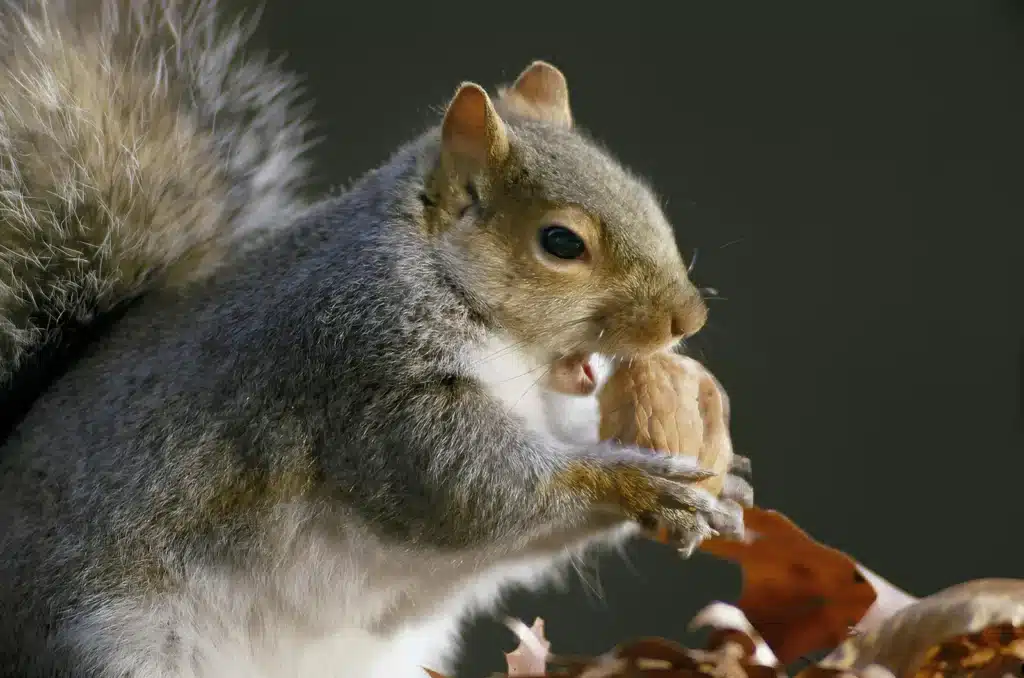
The miracle of the squirrel: Repairing the brain in a nap
Imagine an animal whose brain shuts down almost completely, its neurons shrink and its heart freezes to a virtual standstill. In a human being, this would be clinical death or irreversible brain damage. For the ground squirrel, It's just a Tuesday in winter.
Biotechnology companies such as Fauna Bio are studying these hibernators. During hibernation, these animals suffer episodes of constant “mini-strokes” as they wake up and rewarm their bodies. However, they wake up with no trace of tissue damage.
The lesson: The ability to repair tissues after extreme oxygen deprivation (ischaemia) exists in the mammalian kingdom. We do not need to “invent” regeneration; we need to find the genetic switch that we too have, but have forgotten how to turn on.
The end of “isolated diseases”
One of the biggest mistakes in medicine today is to treat the body as a set of separate parts: the cardiologist looks at the heart, the nephrologist at the kidney and the endocrinologist at sugar.
The science of applied longevity, led by figures such as Daniel Oliver from Rejuvenate Bio, proposes that ageing is a network problem. By testing gene therapies in dogs (our closest biological companions in lifestyle), they have discovered something fascinating: when you treat overall systemic health, diseases that seemed unconnected - such as kidney failure and type 2 diabetes - begin to reverse simultaneously.
“If you increase general health, you treat disease by default. The body is an ecosystem, not a list of symptoms”.”, says Oliver.
To find concrete examples we must look to today's champions of nature:
- The Shaved Mouse: This rodent lives ten times longer than its mouse cousins and is virtually immune to cancer. Its secret? A super-dense version of hyaluronic acid that prevents cells from clumping together out of control.
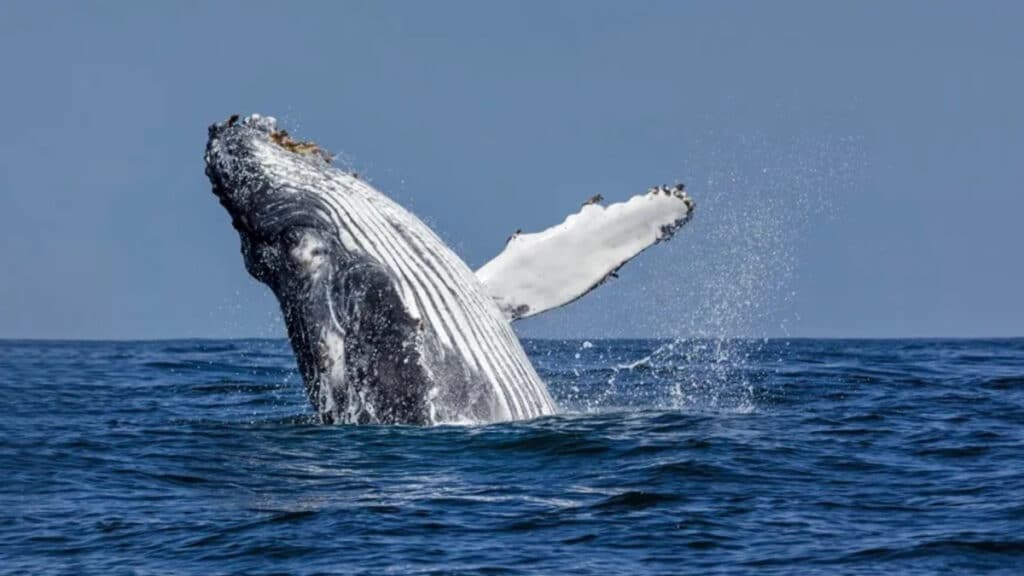
- Greenland Whales: With billions more cells than a human, they should have cancer constantly by sheer statistical probability. Yet they possess duplications of genes responsible for ultra-efficient DNA repair. They are living libraries of how to correct genetic mistakes before they turn into tumours.
Where are we going?
Science does not seek to turn us into squirrels or whales. The goal is the biological translation. We are learning to read the evolutionary map to identify which human genetic networks can be stimulated to protect against fibrosis, inflammation and functional loss.
The idea that the body is a machine that simply wears out with use is a 19th century view. Twenty-first century biology tells us that the body is a dynamic system capable of astonishing restoration.
The key to longevity may not come from sterile laboratories and silicon chips. Imagine the forest, the ocean and life's amazing ability to rebuild itself. The cure for the passage of time could literally be hiding in plain sight in the animal kingdom.
(Royalty-free photos, provided for distribution))