Diabetes can no longer be approached solely from clinical parameters. In an increasingly diverse society, its management requires the integration of cultural, social and emotional factors that directly condition the evolution of the disease and the wellbeing of those who suffer from it. Health, in this context, is redefined as a dynamic balance between treatment, environment, beliefs and the real capacity of each person to sustain healthy habits.
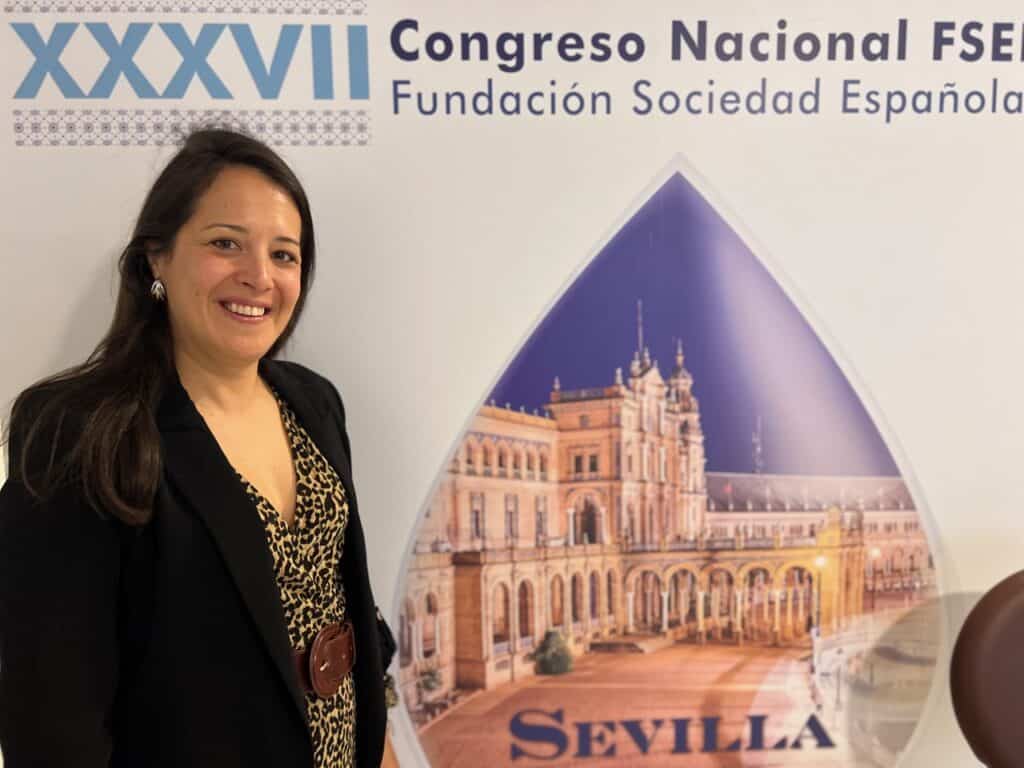
In Spain, this reality has led to the creation of the Working Group on ‘Multiculturalism and Diabetes’ within the Spanish Diabetes Society (SED), an initiative that seeks to incorporate this perspective into clinical practice, therapeutic education and the training of professionals. Coordinated by the nurse Ana Belén Ruiz Jiménez, this group was created with a clear premise: understanding the person in all their complexity is essential to improve disease control.
Clinical experience shows that diabetes is not experienced in the same way in all contexts. Factors such as language, cultural differences in diet, understanding of the healthcare system and socioeconomic conditions directly influence adherence to treatment and patient outcomes. This set of often invisible variables can result in late diagnosis, poorer glycaemic control and a higher risk of complications.
From a wellbeing perspective, the approach changes substantially. Effective care is built on adaptation: listening, interpreting and designing strategies that fit into the patient's real life. Equity in health takes on a deeper meaning here, aimed at offering tools that allow each person to manage their illness according to their context and possibilities.
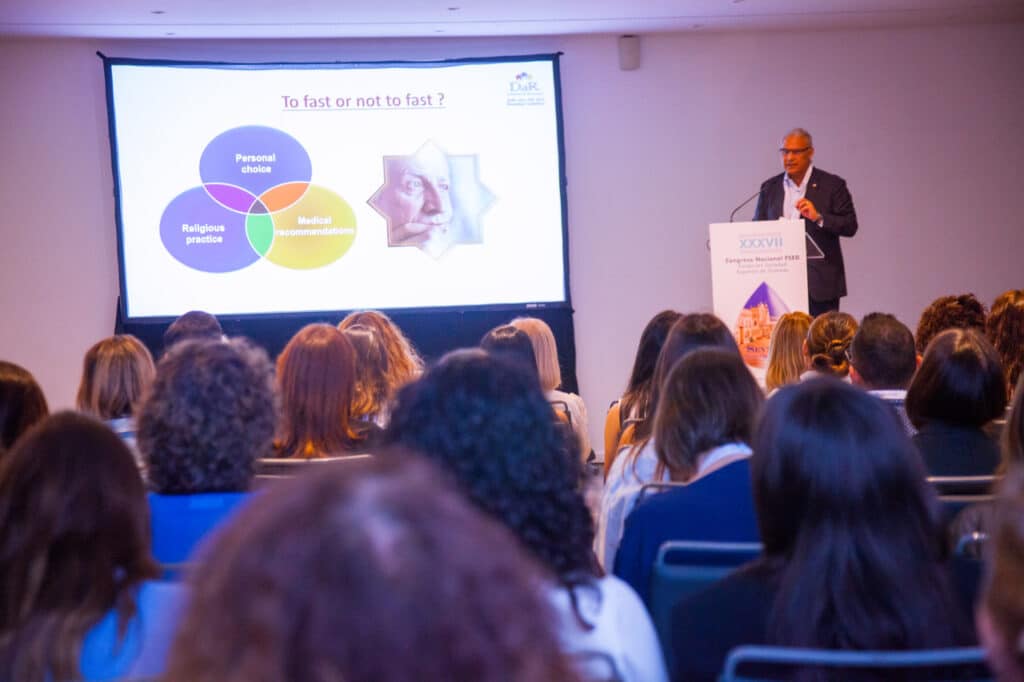
One of the most representative examples of this integration between health and culture is observed during Ramadan. In Spain, where more than 2.4 million Muslims live, many of them with diabetes, fasting poses a specific challenge for metabolic control. Faced with this reality, the SED has developed, in collaboration with the Diabetes and Ramadan International Alliance, a practical guide presented at the XXXVII National Congress of the SED Foundation.
Experts such as Dr Francisco Javier Ampudia Blasco, president of the SED, and Professor Mohamed Hassanein, an international expert in endocrinology and diabetes, have participated in this initiative. Its aim is to offer evidence-based recommendations that make fasting compatible with clinical safety, through individual risk assessment, therapeutic adjustment and adapted diabetes education.
This approach not only reduces risks such as hypoglycaemia or dehydration, but also reinforces adherence and self-care based on respect for personal beliefs. The key lies in accompanying the patient with knowledge and empathy, moving away from restrictive models and towards a more personalised medicine.
The ‘Multiculturalism and Diabetes’ Working Group is thus positioned as a necessary response to an increasingly complex clinical reality. Its objectives include the identification of specific barriers, the development of accessible and culturally adapted educational materials, and the promotion of greater awareness among healthcare professionals.
Diabetes, understood through the lens of wellness, requires more than treatment. It requires context, listening and an integrative vision that considers diversity as a determinant of health. At the intersection of science, culture and everyday life lies the real opportunity to transform the approach to this disease.
(Royalty-free photos, provided for distribution))