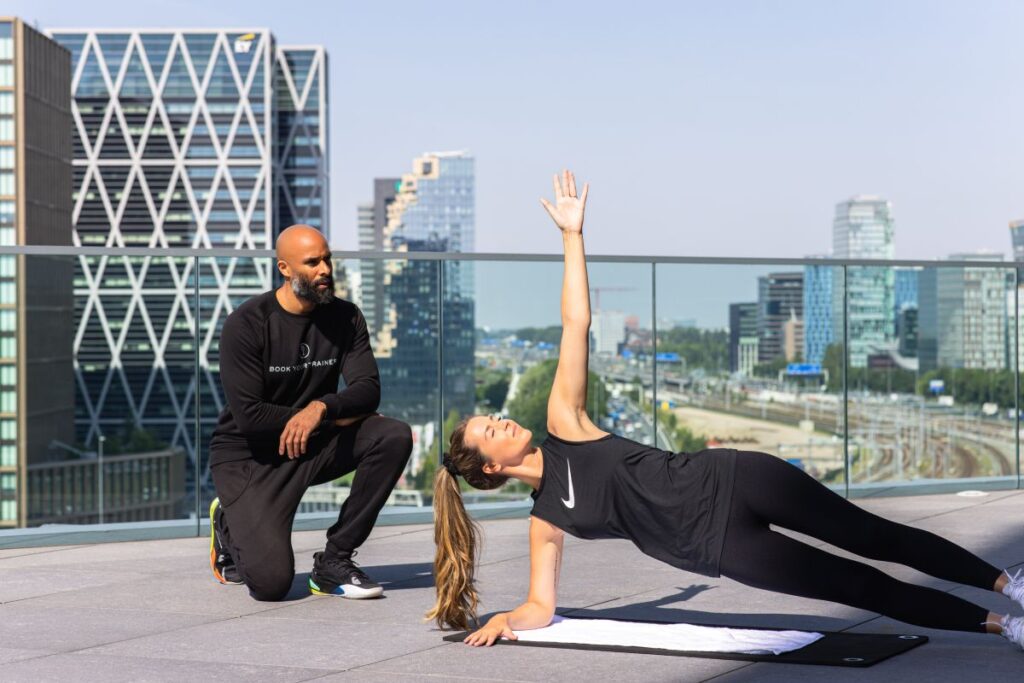
Today, June 21st, the International Day of Yoga floods social media with perfect sunsets, physically impossible poses, and impeccable aesthetics. However, behind the proliferation of technical clothing brands, rooftop events, and exclusive retreats, a deep contradiction pulses. What originated in ancient India as a radical discipline of introspection and detachment has largely become a phenomenon of social pressure, aspirational marketing, and aesthetic standardization..
Commercialization has replaced inner silence with the “wow”. factor. The idea sold is that to achieve wellness, one must belong to a select community, wear high-end leggings, and consume a post-practice menu. Yoga today no longer seeks to destroy the ego (its original purpose); it often seeks to photograph it.
A perfect example of this metamorphosis is the summer proposal from the hotels nhow chain for 2026. Its strategy is not an isolated case but the standard of the luxury and hospitality:
- industry. From asceticism to “Brunch & Networking”: In the nhow Frankfurt, the practice debuts in collaboration with a global sportswear brand (Lululemon) at the NFT Skybar, aimed at an exclusive selection of influencers and promoters. Yoga is used here as the perfect hook for generating public relations and brand visibility.
- The hedonistic experience: At nhow Marseille, , the discipline evolves into sunset “Pilates & Apéro,” blending movement with coastal leisure. Meanwhile, at nhow Milan, the yoga session connects directly with live DJ music and gastronomy.
- Wellness as scenography: The rooftops of Amsterdam, Berlin, or Milan become the ideal backdrop. The benefit is no longer just health, but the memorable and scannable experience for digital consumption.
These activations show how hotels and gyms have managed to package a spiritual practice to transform it into a highly profitable tourist and social lure. What is sold is not the philosophy of yoga; what is sold is the status of practicing it in an extraordinary setting.
The rise of the discipline has created a bubble where anyone with a basic weekend or 200-hour course proclaims themselves a “master”. This creates a huge distortion between what the consumer invests and what they actually get.
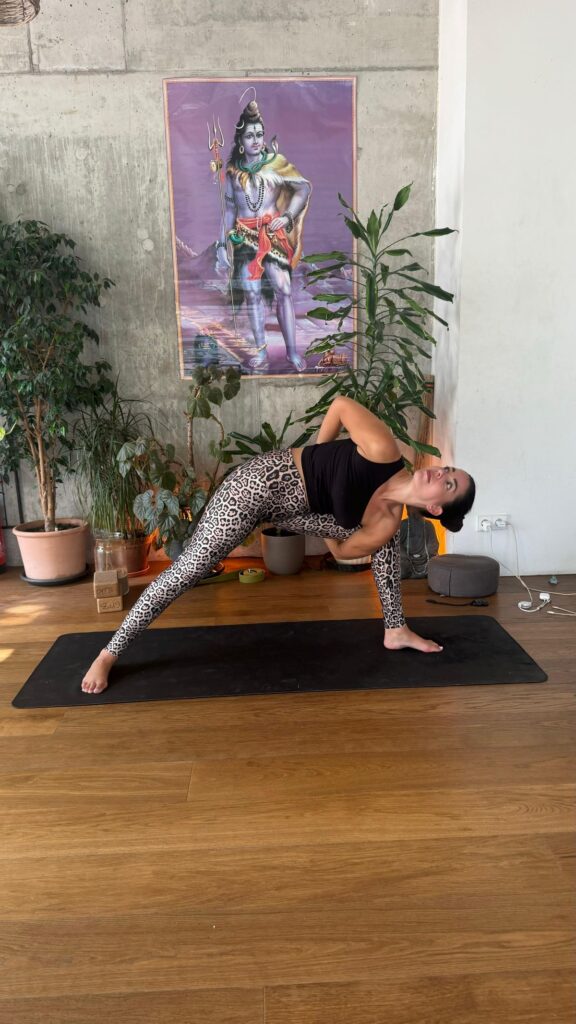
Consumer expectation
- Immediate relief from chronic stress and anxiety.
- Healing of physical ailments (back, joints).
- Belonging to a social group with high aesthetic and economic standards.
- Achieving “enlightenment” or mental peace in 60-minute weekly sessions.
Market reality
- Disproportionate financial investment: Brand-name clothing, designer mats, hotel passes, and subscriptions to boutique.
- studios. Injury risk: Instructors without training in anatomy or biomechanics who force poses to “look good in the photo,” ignoring the student’s anatomical limits.
- Psychological frustration: By selling a yoga tied to perfect bodies and idyllic lives, the average consumer experiences unease if they don’t fit the stereotype.
How to distinguish authentic yoga from commercial imitation
In a virtually deregulated, where there is no strict state oversight or a single official governing body that guarantees certification —beyond private associations like Yoga Alliance, whose certification criteria often amount to completing paid attendance hours—, consumers must learn to separate commercial hype from genuine health.
| Yoga as a Fashion Trend | Yoga as a Health and Wellness Discipline |
| The focus is on external aesthetics, the setting (rooftops, music, clothing brands) and social posturing. | The focus is on internal experience, breathwork (pranayama) and mental self-regulation. |
| The instructor acts as an entertainer o influencer seeking visual approval from the class. | The instructor acts as an technical guide with solid knowledge of anatomy, adapting the posture to the student's body, not the other way around. |
| Implicit competitiveness is encouraged (achieving the hardest or most photogenic pose). | Respect for biological limits and detachment from external judgment is promoted. |
| Classes are massive, impersonal, and invariably tied to subsequent consumption (brunch, drinks, products). | Sessions respect individuality and progression, prioritizing silence or introspection. |
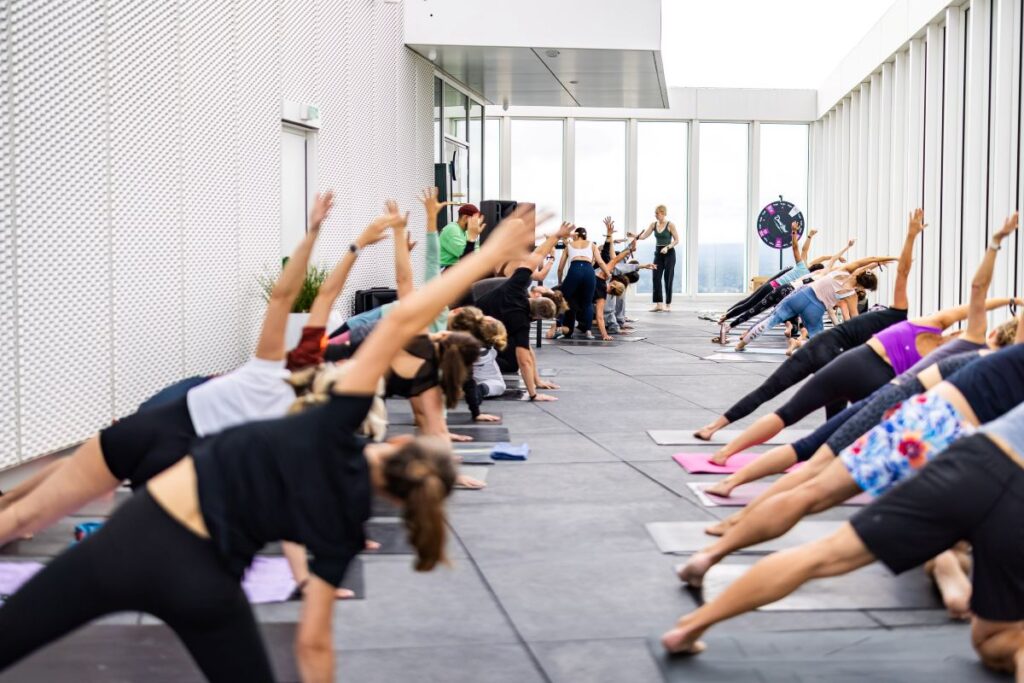
The Distorted Origin: From Asceticism to Reels
The original function of ancient yogis in India is light-years away from contemporary dynamism. Originally, yoga was not a gymnastic practice or a relaxation method for stressed executives.
Its original purpose: yoga was a philosophical and practical system of asceticism whose ultimate goal was Samadhi (liberation from suffering and the cessation of mental fluctuations). The physical postures (asanas) were originally designed with a single purpose: to strengthen and make the body flexible enough to remain seated in static meditation for hours without physical pain distracting the mind.
Today, the pyramid has been completely inverted. The deep philosophy, uncomfortable meditation, and study of classical texts have been removed (Yog सूत्र – Yoga Sutras) to hypertrophy the purely physical aspect. Gyms and hotel chains have stripped yoga of its ascetic and sacred roots because detachment doesn't sell; comfort, status, and aesthetic hedonism do.
It is crucial to clarify that this analysis is by no means a critique of the individual, honest, and committed practice of yoga, nor does it invalidate the real therapeutic benefits it brings to physical and mental health. On the contrary, it is a defense of its original dignity. Fortunately, amidst the commercial noise, authentic teachers still exist, rigorous professionals who teach the discipline with absolute respect for its tradition, anatomy, and philosophical depth, guiding their students toward legitimate, unadorned well-being.
The key reflection lies in the impact of massification: if yoga were practiced today as it was originally conceived, the number of adherents would be radically different.
If classes were stripped of group exhibitionism, social media posturing, trendy rooftops, and that aura of a “posh plan” or aspirational lifestyle, the discipline would regain its demanding nature: a space for introspection, silence, confrontation with oneself, and asceticism. By removing the incentive of social status and hedonistic entertainment, possibly not so many people would sign up without a clear goal. Only those truly committed to a real process of transformation and health would remain, turning the current mass phenomenon into a selective, conscious, and deeply authentic pursuit.
Celebrating International Yoga Day today requires, perhaps, an exercise in intellectual honesty: recognizing where the search for health ends and where the business of the trend begins.