Longevity medicine is accumulating advances at a pace that is hard to keep up with. New biomarkers, cell therapies, metabolic interventions, peptides, and strategies for optimizing health during aging are all part of a rapidly growing ecosystem. However, integrating these tools into medical practice demands more than innovation: it requires trained professionals capable of interpreting scientific evidence, understanding the regulatory framework, and making sound clinical decisions.
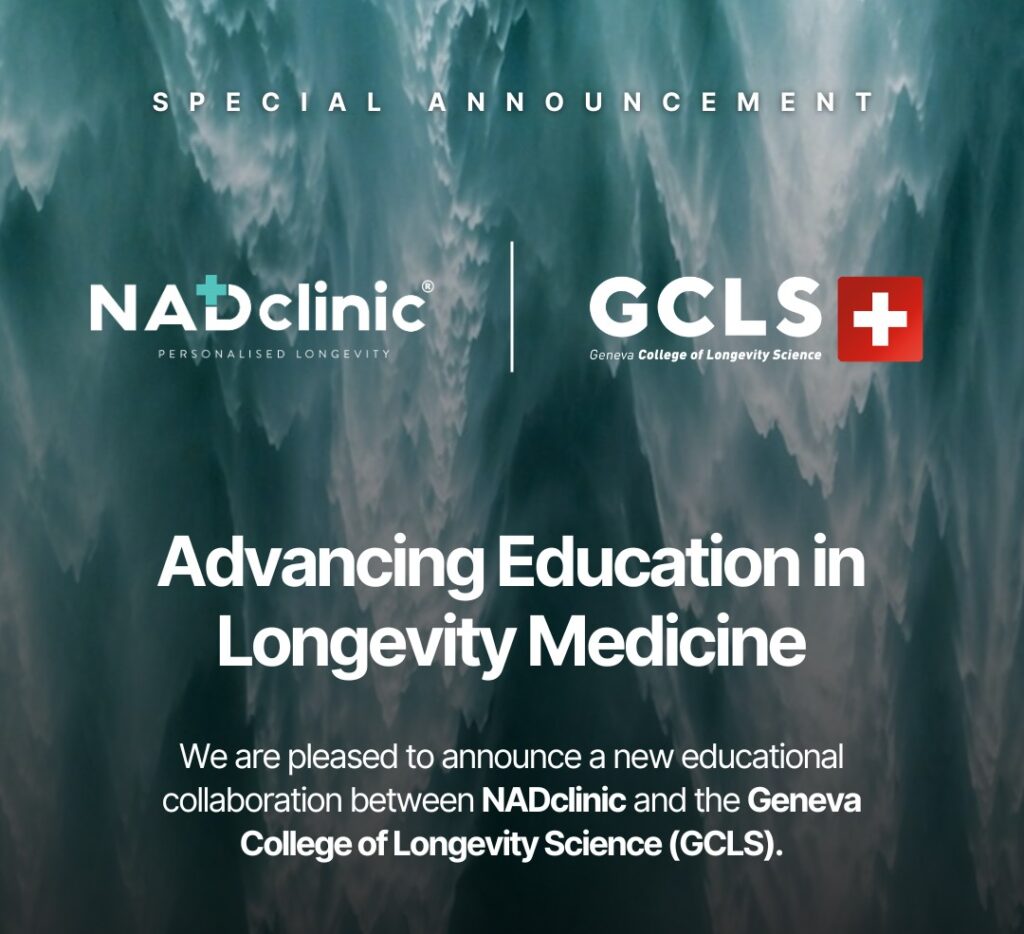
That is the premise behind the collaboration announced by NADclinic Group and the Geneva College of Longevity Science (GCLS). Both organizations have reached an agreement to give physicians and healthcare professionals within NADclinic's international network access to specialized training programs in preventive medicine, performance medicine, and longevity science.
The initiative responds to a need shared across much of the sector. Interest in therapies aimed at extending healthy lifespan has grown at remarkable speed, while formal training for professionals has not always evolved at the same pace. That gap between innovation and expertise is beginning to close through academic programs specifically designed for clinical practice.
One of the cornerstones of the collaboration will be access to the Postgraduate Diploma in Peptide Therapeutics, developed by GCLS under the direction of Dr. Dean Berman. The program is aimed at physicians, pharmacists, and other licensed healthcare professionals seeking structured training on the clinical use of peptides.
The course is delivered entirely online, includes 28 modules, approximately 80 teaching hours, and a final project based on a clinical case. Its estimated duration is twelve weeks and it awards 10 ECTS credits.
Interest in peptides has grown notably within regenerative and longevity medicine. Various compounds are being investigated for their potential role in processes related to tissue repair, functional recovery, metabolism, and healthy aging. At the same time, this is a field subject to intense scientific and regulatory debate, especially after stricter criteria were introduced by US health authorities and as scrutiny of such therapies increases in other markets. In this landscape, training holds strategic value for any professional considering incorporating them into clinical practice.
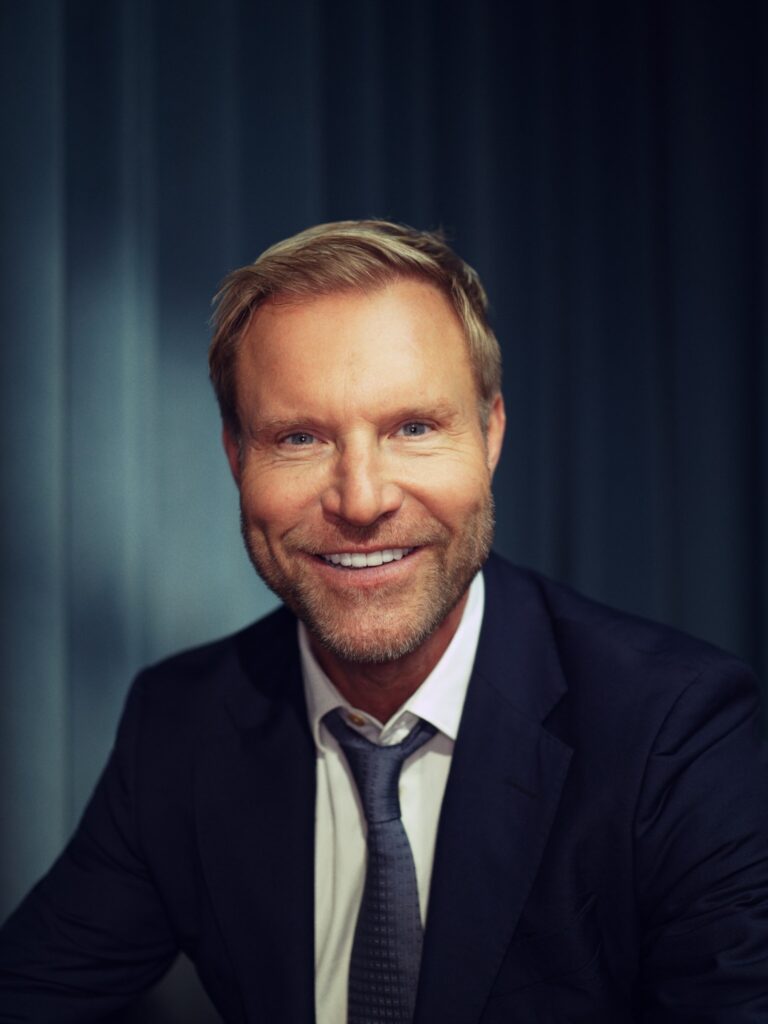
The alliance will also serve to develop PHI Peptides, NADclinic's new international platform intended exclusively for healthcare professionals. The project combines continuing education, clinical guidance, and access to a specialized network, with the goal of establishing standardized procedures for the use of advanced therapies.
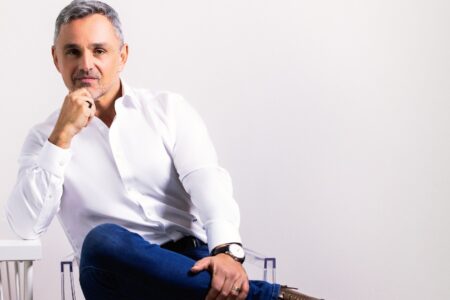
For Iain De Havilland, founder and CEO of NADclinic Group, the sector's growth calls for building a far more solid clinical foundation than what exists today. In his view, doctors and patients are asking more demanding questions and expect answers backed by evidence, protocols, and measurable outcomes. De Havilland believes the future of longevity medicine will depend less on the arrival of new products than on the quality of the infrastructure supporting them: training, clinical governance, care protocols, reliable supply chains, and objective evaluation of results.
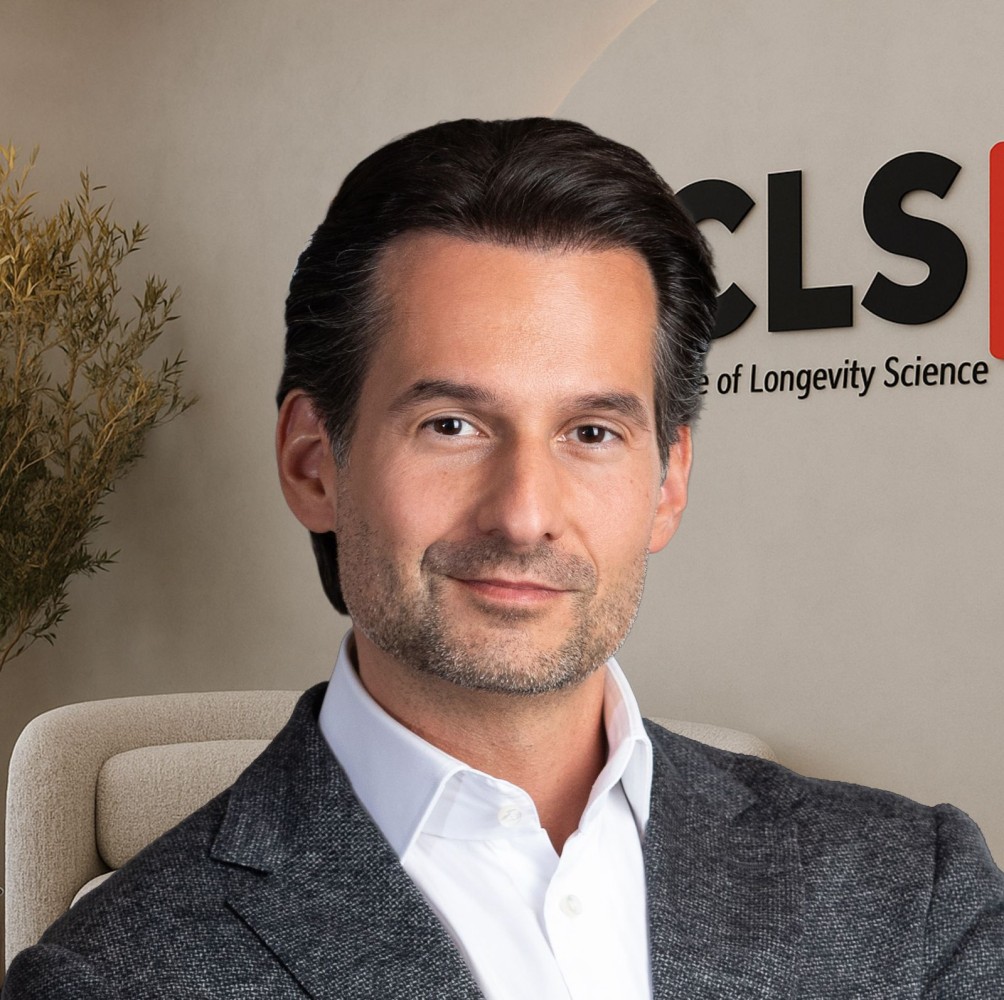
GCLS shares that vision. Its president, Professor Dominik Thor, argues that longevity medicine is evolving into an integrated clinical discipline, grounded in prevention and evidence-based medicine. In his view, strengthening the training of healthcare professionals is essential to improving clinical decision-making and delivering safer, more effective patient care.
Beyond the postgraduate programs, the agreement includes organizing seminars, masterclasses, clinical sessions, and educational activities aimed at professionals across Europe, the Middle East, and Asia. The intention is to build an international network that facilitates knowledge exchange among specialists and helps establish shared clinical criteria in a field still very much in flux.
The decision by NADclinic and GCLS reflects a shift in direction within the longevity sector. The focus is beginning to move from the constant adoption of new therapies toward building a more robust clinical environment, where continuing education, scientific evidence, and medical responsibility carry the same weight as technological innovation. For a discipline aiming to establish itself within preventive medicine, that step may prove just as significant as the development of the treatments themselves.