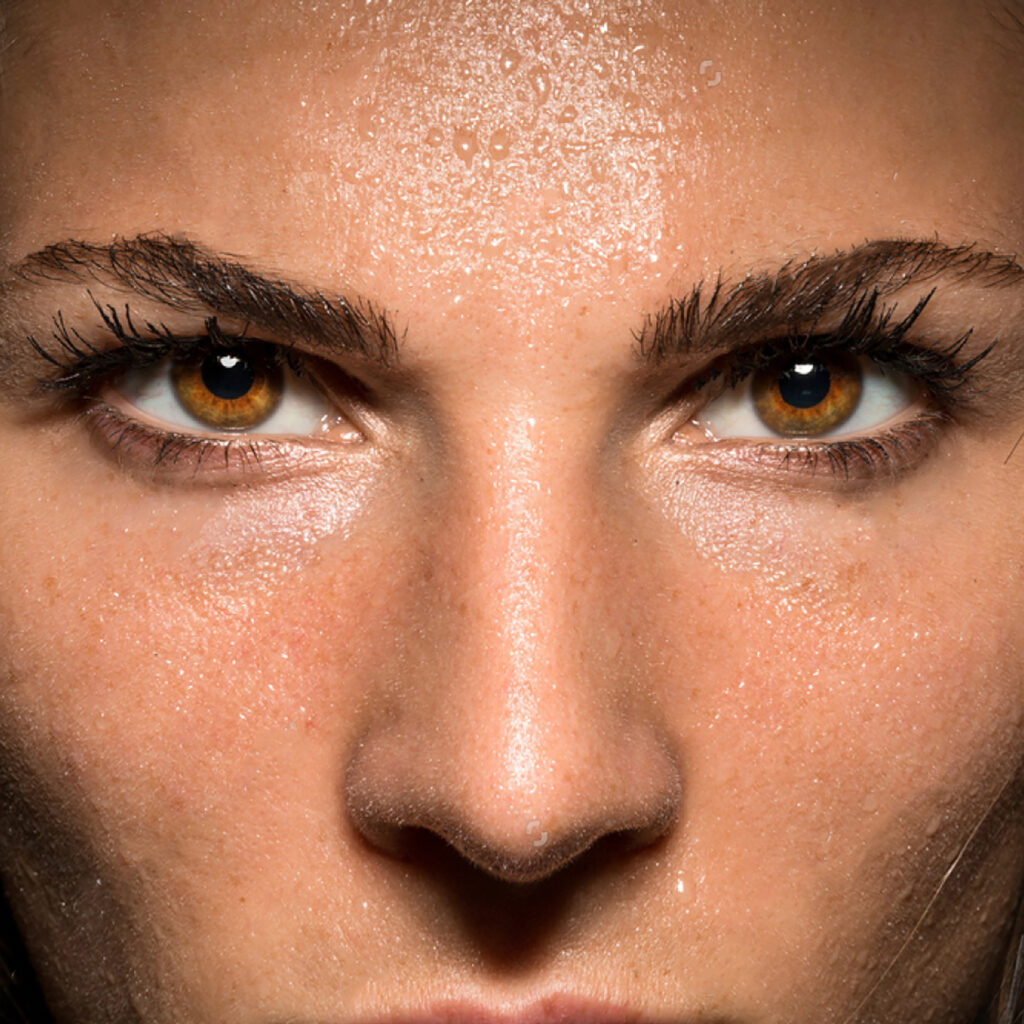
A sheet of paper marked by moisture, a handshake that feels uncomfortable, and simple gestures become harder to sustain. Under the arms, concern can center on stains on clothing, even in moderate temperatures and without having exercised. Feet pose another set of challenges, from choosing footwear to a constant feeling of dampness.
The Dr. Helenca Navarro of IMR, explains how to differentiate hyperhidrosis from normal sweating and which treatments are most effective for managing it.
Sweating serves an essential function. Sweat glands participate in regulating body temperature, and their activity increases with heat or physical exertion. Emotional factors can also play a role, especially in situations of tension or nervousness.
Hyperhidrosis follows a different pattern. The amount of sweat is excessive relative to the stimulus that should trigger it, or it appears without any clear cause. The difference may seem subjective, but for the person experiencing it, the consequences are very concrete.
Sweat shifts from being a barely noticeable physiological response to becoming part of everyday decisions.
The impact of hyperhidrosis is practical and daily: changing clothes frequently, using certain colors or fabrics to try to hide stains, carrying spare garments, or avoiding certain activities. Difficulties also arise in common situations such as shaking hands, using a keyboard, holding a phone, or handling documents.
The social impact can be even greater. A work meeting, an interview, a first date, or a meal with others can trigger anticipatory worry. The person knows they may start sweating and fears others will interpret it as nervousness, poor hygiene, or insecurity.
That worry can actually increase the emotional arousal that promotes sweating.
This creates an uncomfortable loop between the physical symptom and the emotional response: the fear of sweating generates tension, and tension can increase sweat. Over time, some people begin to change their behavior to avoid situations where the problem might become visible.
Quality of life can be affected even though hyperhidrosis itself does not represent a serious threat to physical health.
There is no specific age for seeking treatment
The need to treat hyperhidrosis depends on its impact on the individual, not on a particular age or season of the year.
High temperatures often intensify sweating, but many people experience the problem year-round. The most common areas are the armpits, hands, feet, and certain parts of the face, although the distribution can vary.
It is also important to distinguish between cases with a localized pattern of excessive sweating and those where the problem appears more generalized. The origin matters too, especially when sweating has recently appeared or there has been a noticeable change from the usual pattern.
That is why the first step should be a medical evaluation. The goal is not only to confirm that hyperhidrosis exists, but to determine what type of problem the patient has and which option may be appropriate.
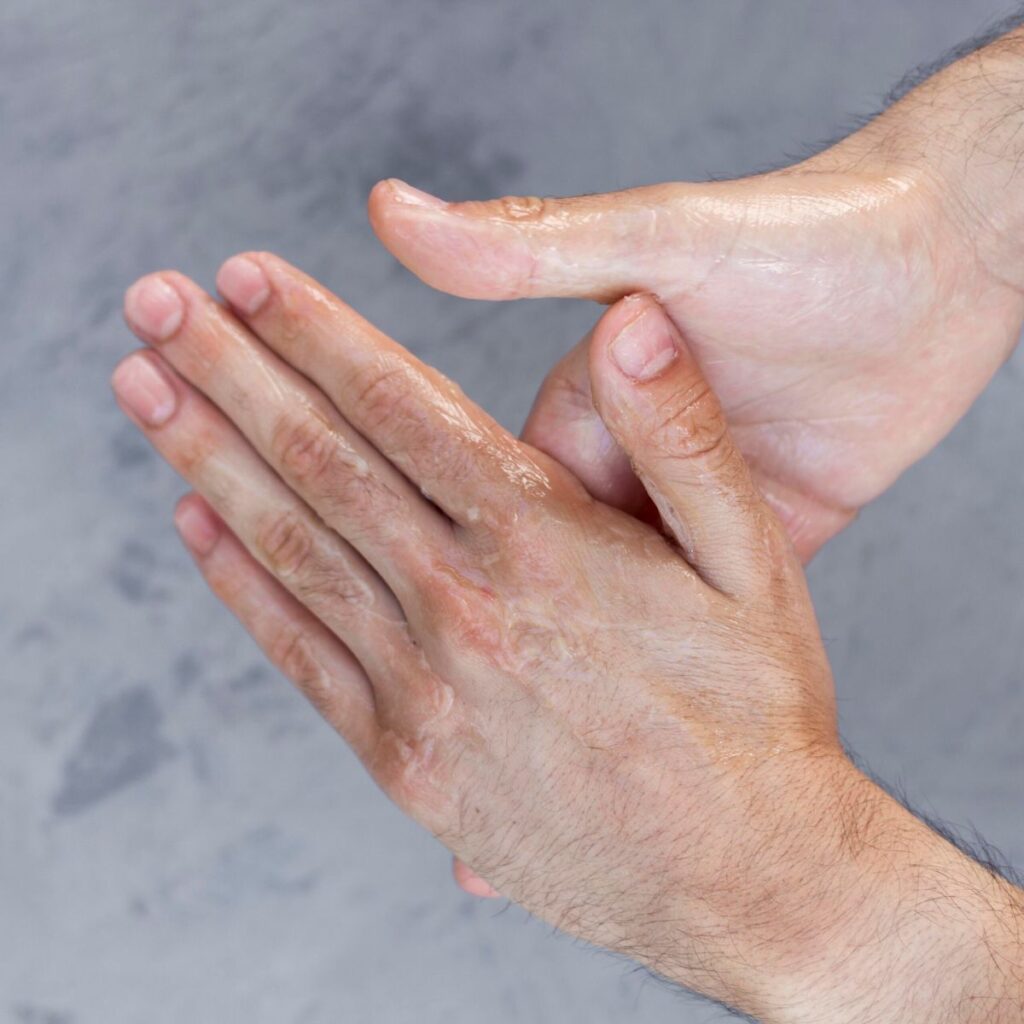
From antiperspirant to medical procedures
Treatment is tailored to each case. There are simple options for mild situations and medical procedures for patients who need greater control over sweating.
The topical treatments can reduce the activity of sweat glands. Preparations used for this purpose usually require repeated applications, and their main drawback is potential skin irritation. For some patients, they serve as a first alternative before turning to more complex procedures.
The iontophoresis uses a low-intensity electric current applied to the skin. It is especially used for hands and feet and requires consistency, with initial sessions followed by maintenance. One of its advantages is the possibility of continuing part of the treatment at home using specific devices.
The oral treatments have a more limited role and may be considered for certain forms of generalized hyperhidrosis. The medications used can produce side effects related to their mechanism of action, including dry mouth and other discomforts, so they require medical supervision.
Among the alternatives used for localized hyperhidrosis are neuromodulators. Their mechanism involves temporarily blocking the nerve signal responsible for activating sweat glands. Application is done through small injections in the affected area, and the effect lasts for a limited time, usually several months.
Results are not permanent, but they help keep sweating under control for an extended period. Local discomfort, minor bruising, or tenderness in the treated area are among the possible side effects.
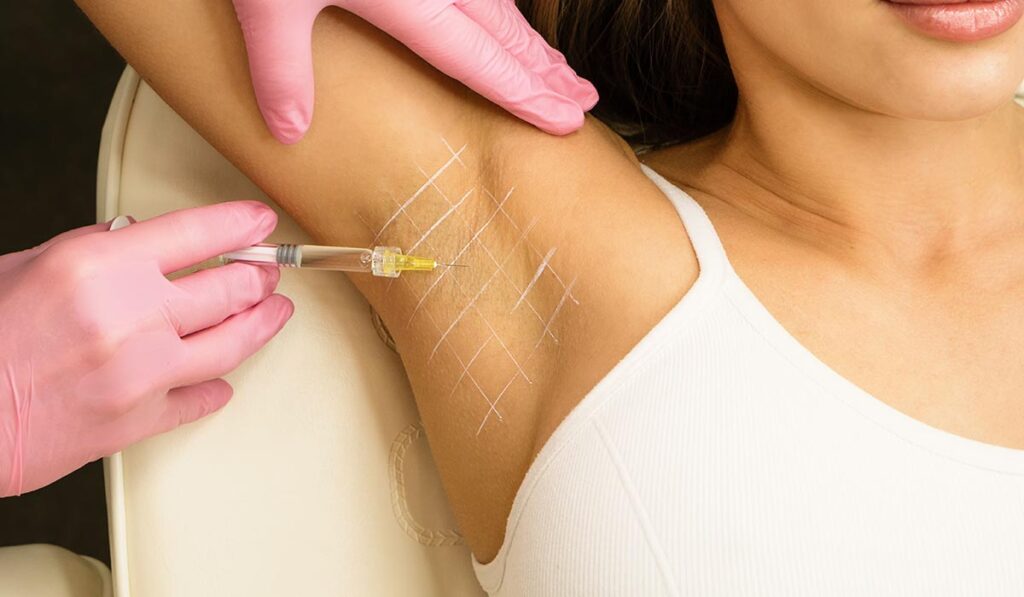
An option specifically designed for the armpits
Technology based on microwave energy is another alternative for axillary hyperhidrosis.
The procedure uses thermal energy to act on the sweat glands in the area and aims to achieve a prolonged reduction in their activity. By targeting the glands responsible for underarm sweating, it can also reduce body odor and hair in the area.
The main difference compared to temporary treatments lies precisely in the duration of the effect. It is presented as an option for people seeking a lasting reduction in underarm sweating without resorting to surgery. Inflammation, tenderness, and other local discomfort may appear during the first few days after the procedure.
Surgery holds a more limited place
Endoscopic thoracic sympathectomy acts on the nerves responsible for sweating and can achieve a significant reduction in sweat in certain locations.
Its surgical nature and the risk of side effects have limited its use. One of the main problems associated with this procedure is compensatory sweating, a response in which sweat production increases in other parts of the body.
For that reason, surgery is reserved for specific situations, and the decision must carefully weigh the relationship between expected benefits and potential adverse effects.
The therapeutic goal is not to eliminate the ability to sweat: sweating is necessary for thermoregulation. The purpose of the different techniques is to reduce excessive production that is disproportionate and interferes with daily life.
That is why there is no universal treatment for hyperhidrosis. A procedure may be suitable for one person with severe underarm sweating and make no sense for someone whose main difficulty lies in the hands. Likewise, a mild case may respond to topical measures, while another patient needs a medical intervention to achieve significant improvement.
Assessing the affected area, the intensity of the problem, individual characteristics, and patient expectations makes it possible to establish a more reasonable strategy.
The emotional dimension also deserves treatment
Hyperhidrosis can end up taking up a disproportionate amount of space in the mind of the person who suffers from it.
Worry about clothing, odor, physical contact, or the reaction of others can generate insecurity and make certain social situations more difficult. Some people reduce their activities or avoid certain encounters for fear that the sweating will be noticeable.
This does not mean that every person with hyperhidrosis will develop anxiety or a mental health issue. The relationship between the two aspects is more complex. What is important is recognizing that a visible, hard-to-control physical symptom can have consequences for self-esteem, social life, and personal confidence.
The emotional response can also fuel the problem. Stress and nerves can increase sweating, and anticipating an uncomfortable situation can intensify that response.
That is why the approach to hyperhidrosis should consider more than just the amount of sweat. If the patient has started to change their life around the problem, regaining confidence and freedom to navigate everyday situations is part of the improvement.
Signs that warrant a consultation
Sweating after exercise, being in a hot environment, or going through a tense situation falls within normal physiology. Medical evaluation becomes more relevant when faced with persistent sweating, excessive relative to the circumstances, or intense enough to interfere with daily activities.
A recent change in sweating patterns also deserves attention, especially if it affects several areas of the body or comes with other symptoms.
Hyperhidrosis has different degrees and different therapeutic options. Finding the right alternative requires first identifying the problem and understanding what is truly limiting the patient's life.
In some cases, it is not about aesthetics, but about being able to dress without thinking about stains, work without hiding your hands, hold a conversation without being preoccupied with your clothes, and interact with others without sweat taking center stage.