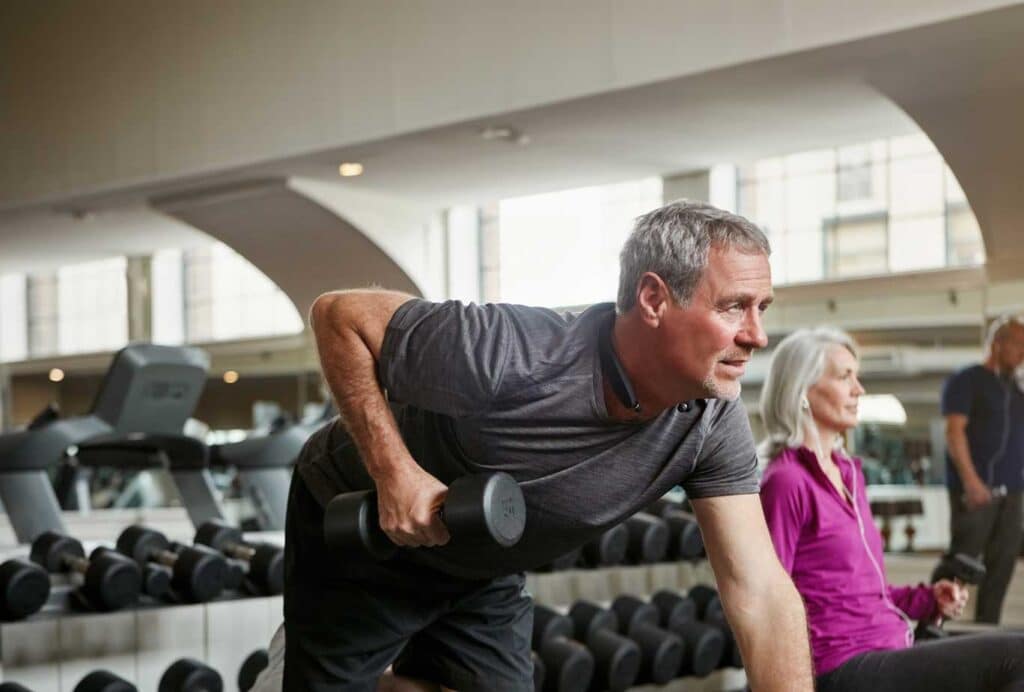
There was a time when training was almost an act of spiritual recollection: headphones, staring blankly, sweating in solitude. Today, on the other hand, sport has become a social, aesthetic and quasi-performative act. One trains to be healthy, yes... but also to belong, to show off and, why not, as a gesture of vanity, to be liked.
In the midst of the link crisis, the gym, the cross-training box or the running club have become new emotional meeting points. What used to be strictly individual is now the perfect excuse to socialise. We've gone from “don't talk to me because I'm counting reps” to “shall we meet for training?.
As Agus Panzoni, trend director at Death to Stock, points out, for years self-care bordered on extreme self-demand, even self-torture. Performance over pleasure. Today, thankfully, something has been rearranged.
Moving the body to support the mind
Until recently, por many people, fitness used to be an unwanted obligation, more like a punishment, but now it is becoming a refuge., The change is not only aesthetic. The change is not only aesthetic. It is emotional. As we begin to take mental health seriously, exercise ceases to be punishment and becomes space for emotional regulation and community. In a context of economic instability and chronic loneliness, training together has become a form of resistance.
Panzoni defines it as the era of social sportWe no longer train just to define our silhouettes, we train to feel part of something. Hence the rise of running clubs, some with their own podcasts, group classes that are always full and team sports regaining prominence. Today, in many cases, socialising matters more than performing.
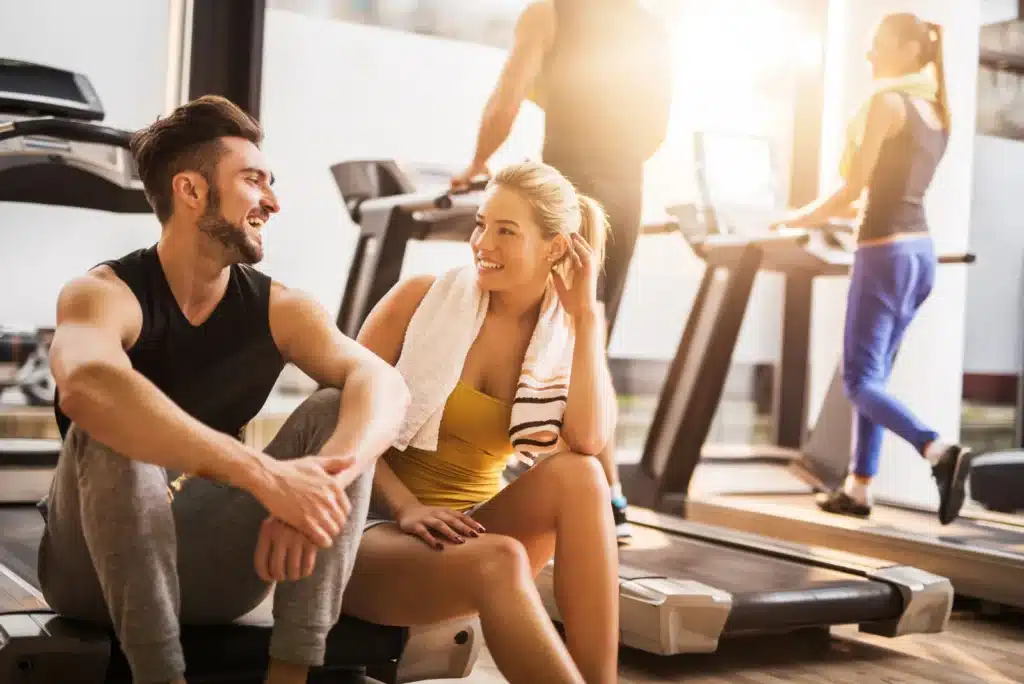
From the bar to the press: sweating as the new afterwork
Pilates is more popular than a drink, so the afterwork is also changing. Where there used to be beer, now there are mats. Social routines are shifting towards experiences where wellbeing is the focus. Studios such as Solid Studio have understood this well: they are no longer just pilates centres, but community spaces, where training together is the new way to meet up.
Her agenda mixes classes with events of brands such as Oysho, Lancôme, Posdata Foods, Rowse or Rulls. Experiences that go beyond the exercise and build up a shared lifestyle. Brands, always attentive, are joining in because today being associated with wellness is a powerful statement of values. Training in a fashionable place also communicates.
Dating with heart rate monitor
If we fill our free time with sport, there is no more time for flirting, so no more drinks in hand and no more loud music. Now it's all about running. According to a study by Bumble and ISPSO, more than half of all men whooung people prefer a sporting or cultural activity rather than a traditional event.. Hence the birth of the Bumble Running Clubs: sweating together as a new ritual of conquest. “The important thing is not to reach the finish line, but to share the journey,” explains Alba Durán, Bumble's marketing manager for Southern Europe. Sport thus becomes emotional scenario, where you train, talk, laugh... and sometimes flirt.
Athleisure elevated: the tracksuit as a status symbol
Sweating is fine. But with styling. Fashion, as always, caught on quickly. Sport is no longer just functional: it is aesthetic and status language. We're talking about elevated athleisure, football shirts reinterpreted by Zara or Nude Project, scarves that look like something out of a luxury editorial.
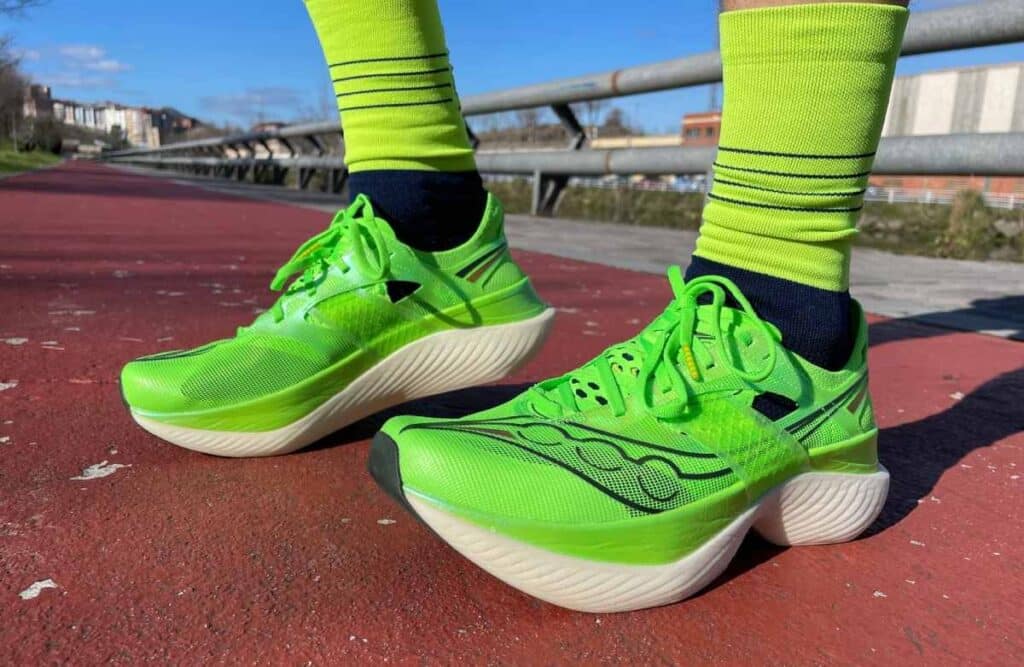
The calls super slippers have made the definitive leap from high performance to conscious exhibitionism. Models such as the Adidas Adizero Adios Pro Evo, which cost almost 500 euros, or the exclusive On, are making their mark in an area where well-being is also measured in terms of budget. You don't just train anymore: you position yourself.
Fitness as a silent luxury
Coach Dan Go sums it up without anaesthesia: “Tbeing fit at 40 is a greater status symbol than owning an expensive car.".
At 20, being fit is not surprising. At 40, it takes time, priorities, perseverance, money and a thorough renegotiation with your vital energy. It means being able to reconcile work, family, self-care... and, in many cases, something even more valuable: not being dependent on medication, maintaining vitality, sustaining health over time.
Unfortunately the price it requires is high and not only in economic terms, biologically speaking, our own energy at the age of 40 or 50 is not enough for all of this and the supplementation and the physical preparation required to be able to keep up with these rhythms is not cheap, nor can it be improvised.
At psycho-emotional terms The cost is also considerable: despite not having the strength or desire, if we do not meet these standards we feel inadequate, frustrated and unwanted. Which in some cases is tantamount to saying depressed and unhappy.
Today, sport is a way to take care of oneself, to socialise, to meet new people, to projecting identity... and to show that one can afford that “silent luxury” called wellness. We could say that we exhibit sweat more than ever before, but we also we presume better.