Nutrition is one of the fundamental pillars of health. Our body is built, maintained, and repaired from the food we consume. Diet is also the main modifiable risk factor for many chronic diseases and one of the factors that most influences life expectancy.
Paradoxically, it has never been so complicated to eat well. We live in an era where any product is within reach, nutrition information multiplies every day, and recommendations come from doctors, scientists, influencers, and the food industry itself. However, this abundance has ended up generating the opposite effect: confusion.
Every week a new food considered essential appears, an ingredient goes from being beneficial to becoming suspicious, and social networks pit completely opposite dietary models against each other. Carnivore diet versus plant-based eating, ketogenic versus Mediterranean, low-fat versus low-carb. More than a hundred diets compete for our attention, and many of them promise exactly the same thing: to live longer and better.
Part of this uncertainty has a scientific explanation. Much nutrition research comes from observational studies, where distinguishing between correlation and causation is not always straightforward. However, when we stop looking at trends and observe what populations that reach exceptional ages have in common, the noise begins to disappear and a surprisingly consistent pattern emerges.
Centenarians from different regions of the world, clinical trials, mechanistic studies, and meta-analyses point, from different perspectives, toward a series of common nutritional principles.

Nutrition for a long life starts with individuality
There is no universal diet that works for everyone. Genetics conditions how we metabolize fats, carbohydrates, lactose, caffeine, and many other compounds present in food. Population origin, metabolic state, lifestyle, and multiple individual characteristics also play a role.
That does not mean everything is relative. Although diet must be adapted to each individual, the dietary models associated with healthy aging show numerous coincidences.
The Mediterranean, Nordic, DASH, Okinawan diets, or those based mostly on plant foods are consistently associated with greater life expectancy, lower mortality, and a reduced risk of developing numerous chronic diseases.
Among all of them, the Mediterranean diet has the greatest scientific support as a nutritional model oriented toward longevity. Various studies show that it can reduce all-cause mortality by around 23%, cardiovascular mortality by 27%, and non-fatal cardiovascular events by approximately 23%.
What do centenarians actually eat?
Not all centenarians follow exactly a Mediterranean diet. What they do share is a diet where approximately 95% of food comes from the plant kingdom: fruits, vegetables, whole grains, legumes, nuts, unsaturated fats, and low-fat dairy.
Meat usually plays a secondary role, and the consumption of ultra-processed foods, sugary drinks, trans fats, and processed meats is very low. Low-salt diets also predominate.
Ingredients change according to geography, season, or local food culture, but the pattern remains practically unchanged: simple, minimally processed, plant-based foods predominate.
One of the most striking common elements is the daily consumption of legumes. Beans, lentils, or chickpeas are the main source of protein in many long-lived populations and promote a healthy gut microbiota without activating some of the mechanisms associated with aging that seem to be linked to high red meat consumption.
In many regions, wild greens, especially those very rich in polyphenols and antioxidants, capable of stimulating different cellular protection mechanisms, are also a regular part of the diet.
Fiber, the great forgotten nutrient
Throughout most of human evolution, fiber was not a supplement or a dietary recommendation: it was simply an inevitable part of eating.
Our gut microbiome evolved precisely to take advantage of this high consumption of plant foods. It is estimated that our ancestors could ingest more than 100 grams of fiber daily, while currently the average in many countries barely reaches between 10 and 15 grams per day.
The consequences are significant. A higher fiber intake is associated with a reduction of nearly 23% in total mortality, 26% less cardiovascular mortality, and an approximate 22% decrease in cancer mortality.
Additionally, fiber stimulates the production of GLP-1, the same hormone related to the feeling of satiety that some medications currently used to treat obesity act upon.
The microbiota also ages
Maria Branyas Morera, considered one of the longest-living people in the world, died at 117 years old. Analyses performed after her death revealed that her gut microbiota had characteristics similar to those of a much younger person, with high bacterial diversity and an abundance of bifidobacteria, microorganisms that usually decrease with age.
Maria consumed yogurt several times a day as part of a Mediterranean-style diet. Although genetics undoubtedly played a determining role, her case reinforces the evidence linking a diverse microbiota with healthy aging.
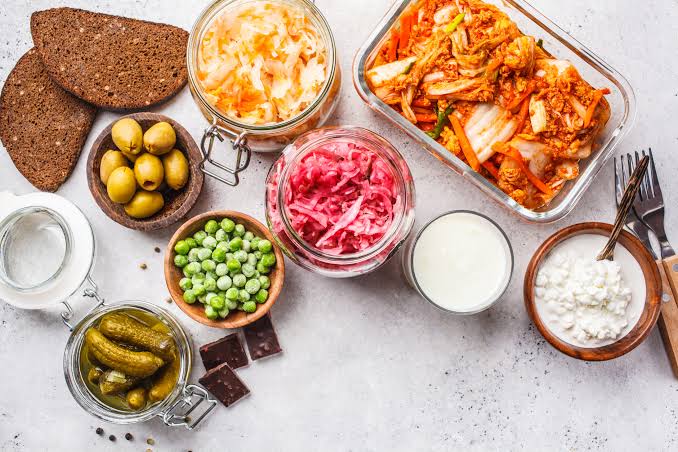
Fermented foods —such as kefir, kimchi, sauerkraut, or kombucha— precisely promote that microbial diversity and appear to offer benefits that, in many cases, surpass those of probiotic supplements.
For these bacteria to thrive, they also need prebiotics, meaning the fiber found in foods like leeks, asparagus, oats, bananas, or legumes.
Healthy fats and common beverages
Diets rich in unsaturated fats from extra virgin olive oil, nuts, seeds, or avocado are associated with lower mortality.
Fatty fish, such as salmon, sardines, or anchovies, provide omega-3 fatty acids, linked to better brain and cardiovascular health.
Extra virgin olive oil holds a particularly prominent place. Various studies show that consuming just over half a tablespoon daily can reduce the risk of death from any cause by approximately 19% over decades of follow-up.
Common beverages are predominantly water and herbal teas. In some regions, wine is also consumed occasionally and always in moderate amounts.
Protein matters, but so does its source
Most of the protein consumed by centenarians comes from plant-based foods: legumes, nuts, seeds, and whole grains.
Various population studies indicate that replacing a small portion of animal protein with plant protein significantly reduces mortality.
Conversely, increasing consumption of red or processed meat is associated with a higher risk of mortality, cardiovascular diseases, and certain types of cancer.
Protein needs also change with age. During middle age, moderate intake may support certain mechanisms related to longevity, while after age 65, evidence recommends slightly increasing intake to preserve muscle mass and prevent frailty.
The role of polyphenols
Foods rich in polyphenols hold a central place in the diets of the longest-lived populations.
Olive oil, berries, nuts, green tea, and numerous spices contain bioactive compounds capable of modulating various aging-related processes, such as oxidative stress, inflammation, mitochondrial function, or autophagy.
Additionally, many of these compounds serve as food for the gut microbiota.
Much more than a food list
In regions with the highest life expectancy, it’s not just what you eat that matters, but also how you eat.
In Okinawa, there is the well-known principle hara hachi bu, which involves stopping eating when you reach about 80% fullness. This energy moderation has been linked to better metabolic health and reduced inflammation.
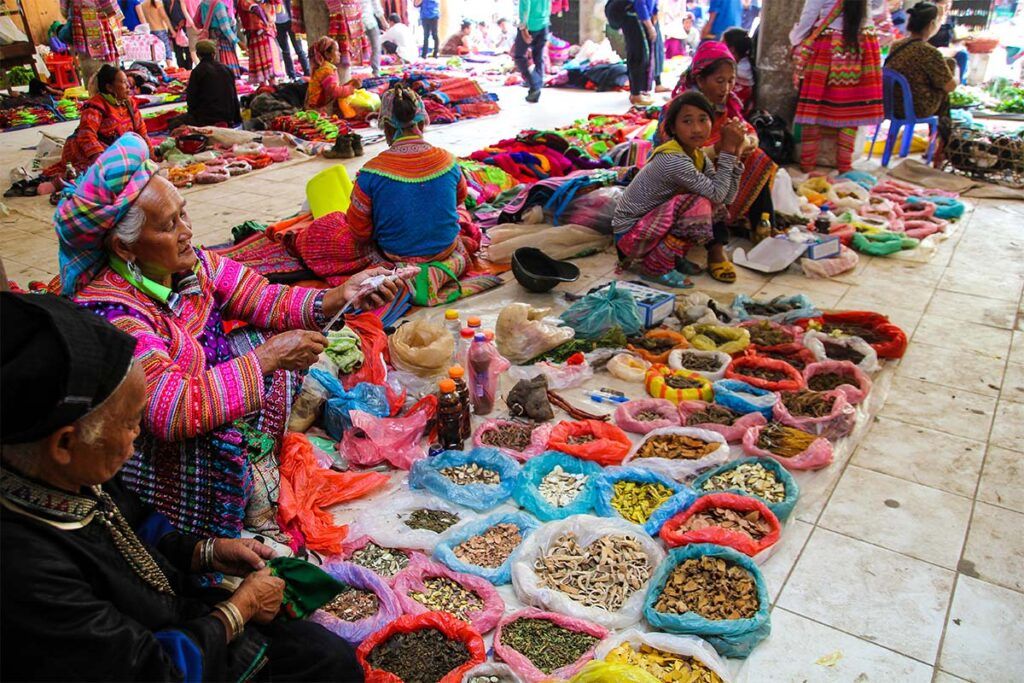
Eating also maintains a strong connection with seasonality, local products, and shared meals. Foods are typically consumed shortly after harvest, when they retain greater nutritional density.
Rather than discovering a secret formula, these populations have preserved a relationship with food that many modern societies have lost.
What can we learn?
The available evidence points to fairly simple recommendations:
- Give plant-based foods the leading role.
- Eat legumes every day.
- Choose vegetables with high nutritional density.
- Incorporate nuts and seeds frequently.
- Prioritize whole grains over refined ones.
- Consume fermented foods regularly.
- Use extra virgin olive oil as your main fat source.
- Minimize ultra-processed foods.
- Limit consumption of red and processed meats.
- Drink mainly water and herbal infusions.
- Share meals whenever possible.
Today's products are safer than before.
Fresh foods today are, generally speaking, safer from a health standpoint than those from 50 years ago, but our overall diet is probably worse because we have replaced a significant portion of those foods with ultra-processed products and because the food system prioritizes availability, convenience, and flavor over nutritional quality.
This is likely the great paradox of our time. We have never had so many controls, so much technology, and so much capacity to produce safe food. Yet, we have also never been so exposed to a food supply where products designed more for selling than for nourishing are abundant. That is why today's challenge is no longer just about avoiding contaminants, but about learning to distinguish which foods are part of a healthy diet within an environment where the supply is virtually limitless.
Most of the nutritional evidence remains observational, and no single food guarantees a long life on its own.. People who reach exceptional ages also sleep better, stay physically active, maintain strong social relationships, and share certain genetic characteristics.
Even so, there is a fact that is hard to ignore. When different cultures, separated by thousands of kilometers and with very distinct culinary traditions, coincide for decades on the same dietary principles, we are likely facing something more than coincidence. It is worth remembering that most of this evidence comes from observational studies. No single food, by itself, guarantees a longer life.