The prevention of metabolic diseases, early risk detection and the integration of preventive medicine into healthcare systems will be the focus of the Longevity & Wellness programme at World Health Expo, to be held in Dubai on 27 and 28 January 2027.
The evolution of diabetes in the United Arab Emirates poses a healthcare challenge of considerable dimensions. Forecasts from the International Diabetes Federation (IDF) estimate that the number of adults aged between 20 and 79 affected by this disease will rise from approximately 1.3 million in 2024 to 1.9 million in 2050. The projected increase, close to 47%, once again places metabolic health among the priorities of prevention programmes and calls for a review of healthcare systems' capacity to intervene before the complications associated with the disease appear.
The scale of the problem is not limited to diabetes. The results of the National Health and Nutrition Survey 2024-2025, published by the Ministry of Health and Prevention of the United Arab Emirates (MoHAP) in January 2026, provide a snapshot of some of the main risk factors among the adult population. 59.1% of adults do not reach the recommended levels of physical activity, 22.4% are obese and 25.9% have high blood pressure.
The data reveal a scenario in which sedentary lifestyles, excess weight, metabolic alterations and cardiovascular risk are closely interrelated. They also explain the growing institutional interest in developing prevention strategies that go beyond the one-off treatment of each condition.
This issue will occupy a prominent place at World Health Expo (WHX), one of the major international gatherings of the healthcare industry, which will hold its 2027 edition in Dubai. Within its programme, Longevity & Wellness will bring together healthcare professionals, technology companies, insurers, investors and preventive medicine specialists on 27 and 28 January to analyse how scientific advances in healthy ageing can be translated into applicable and sustainable care models.

Metabolic health as a starting point
One of the central sessions will address the metabolic challenge of the Gulf Cooperation Council countries under the title The GCC metabolic health challenge – What can we change now?. The debate will examine the connection between obesity, diabetes, physical inactivity, sleep disturbances and chronic stress, with particular attention to the interventions that hospitals, companies, insurers and citizens can incorporate into their health strategies over the next two years.
The discussion will feature Dr Mishkat Shehata, vice-president of Emirates Lifestyle & Longevity Medicine Society, chief medical officer of OMICS Precision Health and a member of the WHX advisory board for the Healthspan Stage.
Shehata argues that improving metabolic health requires coordinated intervention. Early identification of risk factors must be accompanied by clinical follow-up, sustained lifestyle changes and medical treatment where indicated. Physical activity, rest and stress management form part of this approach, although their effectiveness also depends on people receiving support adapted to their everyday circumstances.
The specialist believes that the United Arab Emirates has an opportunity to expand preventive policies through healthcare services, work environments and communities. Evaluation of outcomes, he adds, should consider health indicators, functional capacity and quality of life, in addition to conventional clinical parameters.
The country is already developing specific initiatives, including a national prediabetes and diabetes screening campaign and an action plan against non-communicable diseases. The challenge now is to ensure that prevention is sustained and becomes part of routine healthcare.
From preventive medicine to clinical longevity services
Under the theme From wellness to healthspan: Building credible, scalable longevity, the two-day programme will explore the possibilities of longevity medicine from a clinical and business perspective.
One of the main topics will be the incorporation of specialised longevity units and services within hospitals. The discussion will cover aspects such as patient selection criteria, coordination between different specialities, clinical protocols, medical supervision and the economic viability of these services.
The usefulness of integrating information from genomic studies, blood biomarkers, imaging tests and monitoring devices will also be analysed. Combining these sources can help identify risks earlier and guide more individualised preventive interventions, although their application requires clear criteria for validation, clinical interpretation and outcome monitoring.
In this regard, the programme takes as its reference the report prepared by Frost & Sullivan in October 2026, Longevity is redefining healthcare: From reactive care to lifelong health. The document identifies three conditions for expanding the implementation of longevity medicine: clinical validation of services, integration of health data and development of financing models that make long-term prevention sustainable.
The economic question will be particularly relevant. Interest in longevity is driving new clinics, diagnostic platforms and personalised medicine services, although their expansion will depend on their ability to demonstrate consistent clinical results and offer care structures that are affordable for a larger number of patients.
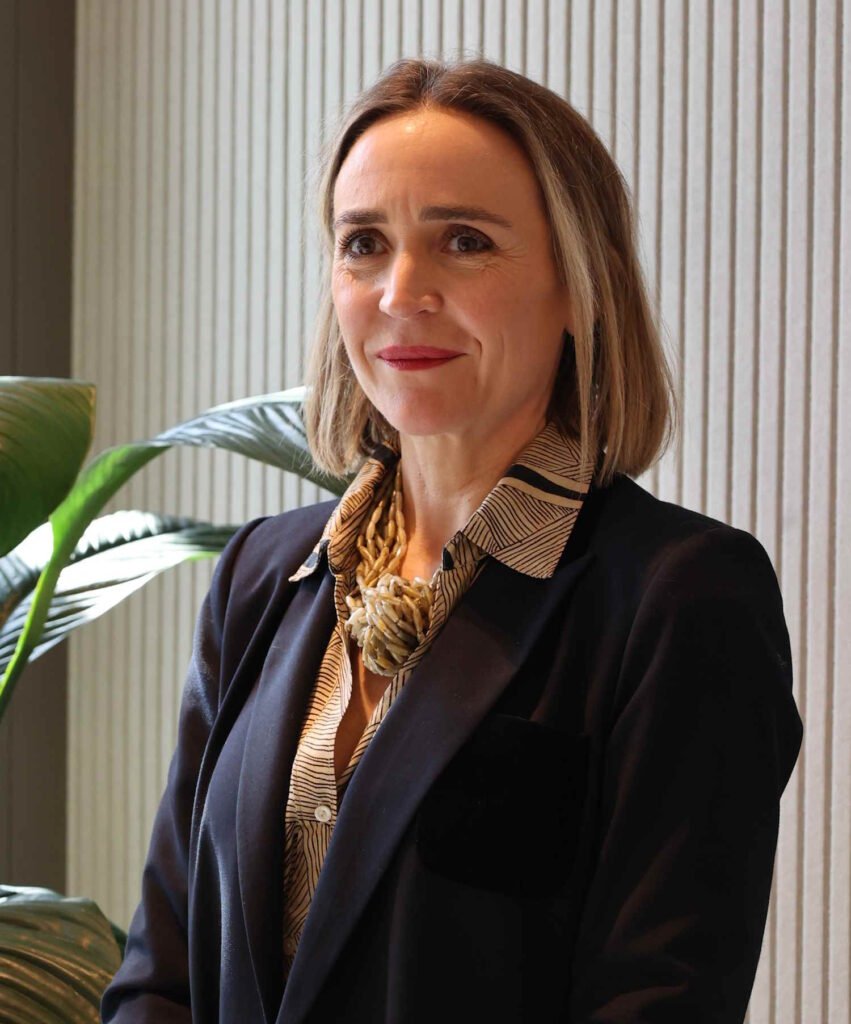
Solenne Singer, Solenne Singer, senior vice president of Healthcare at inD, notes that the diabetes projection reinforces the need to keep prevention among national priorities. In her view, collaboration between physicians, healthcare providers, investors and technology companies is essential to identify effective interventions and establish mechanisms to measure their impact.
The executive also points to a decisive issue for the future of the sector: the gap between commercial interest in longevity and the real capacity to offer clinically sound, economically sustainable and accessible services beyond the highest-income segments.
Women, muscle strength and healthy environments
The second day will shift the focus to the factors that shape health throughout life. Women's health during midlife, the maintenance of muscle mass and strength, physical autonomy and the use of wearables are among the topics planned.
The program will also explore how the design of homes, buildings and urban spaces can encourage healthy behaviors. Planning pedestrian routes protected from heat, the availability of communal areas and the creation of spaces that facilitate social interaction will be among the aspects analyzed.
The inclusion of this real estate perspective reflects an interest in bringing prevention into everyday environments. Architecture and urban planning can facilitate physical activity, social interaction and certain healthy routines, although the true scope of these interventions requires evaluating their use and their effects on residents' well-being.
The program will also dedicate a session to longevity business models capable of extending their reach beyond premium clinics. The discussion will address opportunities for collaboration between the healthcare, real estate and wellness industries, as well as the conditions needed to develop services with a solid clinical foundation.
A new space for the longevity industry
The 2027 edition will also incorporate a dedicated exhibition area for Longevity & Wellness at Dubai World Trade Centre. The space will bring together organizations linked to prevention, healthy aging, precision health and wellness, with the aim of facilitating contact between providers, clinical buyers and other market players.
World Health Expo will be held from January 25 to 28, 2027, under the patronage of the Ministry of Health and Prevention of the United Arab Emirates, with activities distributed across Dubai Exhibition Centre, Expo City Dubai and Dubai World Trade Centre.
The event is part of World Healthcare Week, which integrates three convenings: WHX, focused on the healthcare industry; WHX Tech, dedicated to the digital transformation of health, and WHX Leaders, a forum reserved for institutional leaders, executives and investors.
The incorporation of longevity into this international stage responds to a significant evolution in the healthcare sector. Prevention, early diagnosis and the maintenance of functional capacity are gaining ground in public health strategies and in new business models. The challenge for the coming years will be to establish which interventions offer demonstrable benefits, how to measure them and how they can be integrated into care systems capable of serving a population increasingly exposed to chronic diseases.