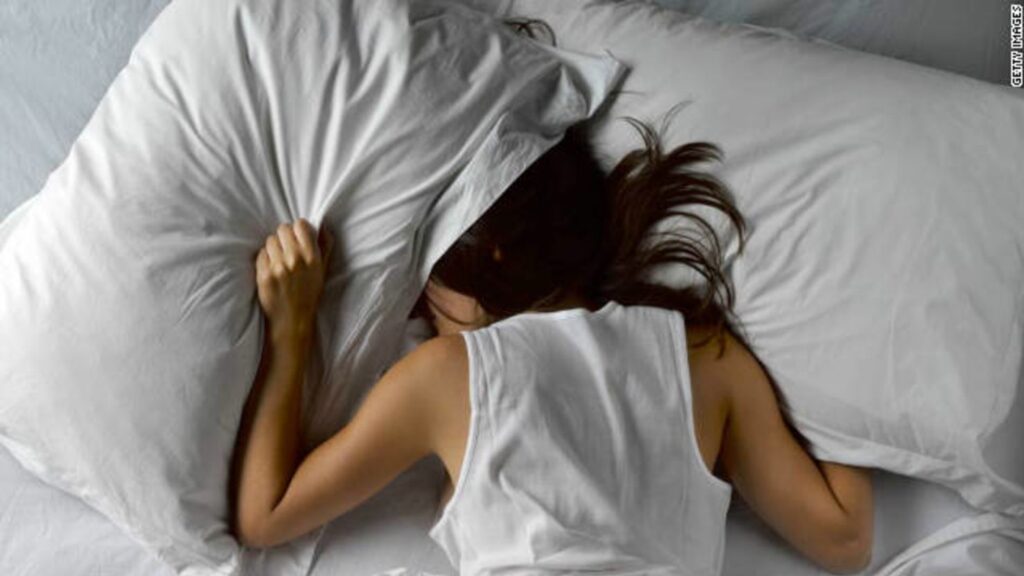
There is a historical constant that is hard to ignore: The United States is always one step ahead. In technology, in marketing, in trends... and now also in something that, until recently, we thought was pretty much solved: breathing, eating and sleeping.
What for centuries we did automatically - feeding ourselves, resting, closing our eyes at night and sleeping - today seems insufficient, wrong or downright dangerous if we do not do it under expert supervision. It is no longer enough to be hungry to eat, nor is it enough to be tired or to have a good mattress to sleep on. Now we need to learn it all over again.
Preferably, of course, by a certified expert.
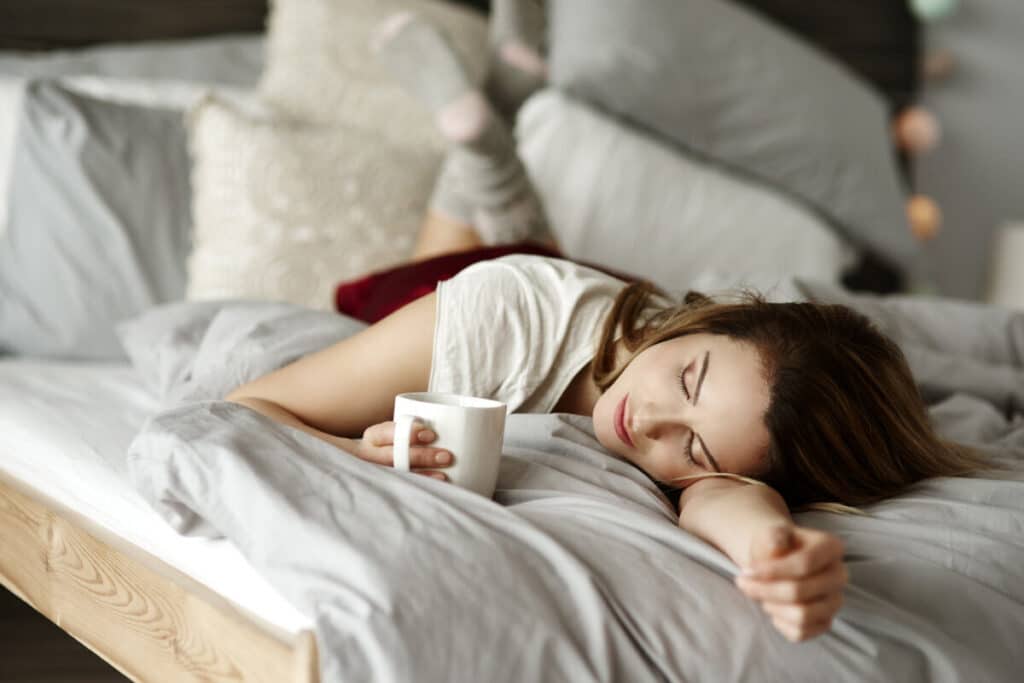
Sleeping is a professional competence
The latest example comes from the fitness and health sector in the USA. American Council on Exercise (ACE), one of the world's most influential institutions in sports training, has partnered with Nick Lambe, The Online Sleep Coach, to launch the Sleep and Recovery Coach Course.
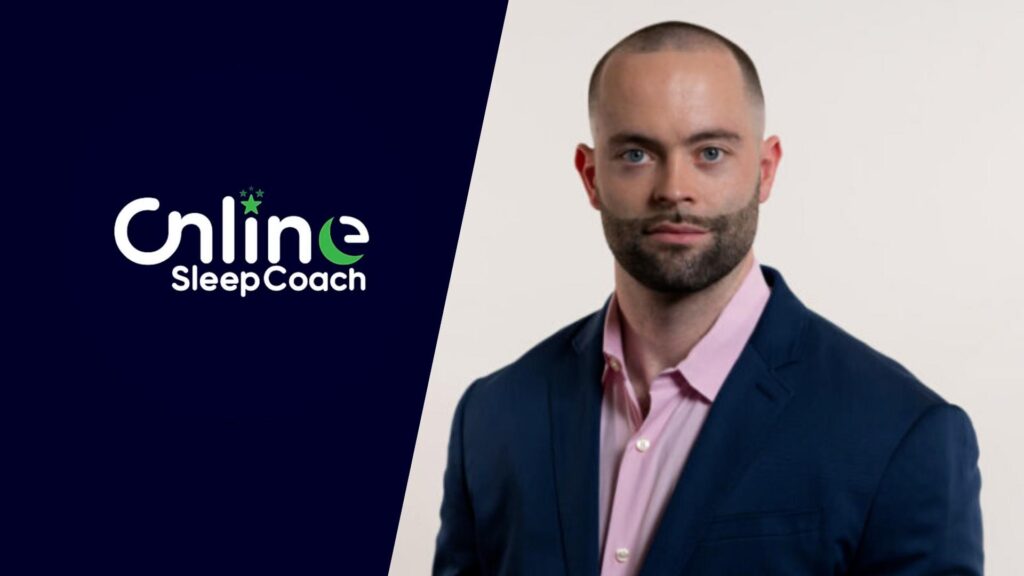
Yes, you read that right: sleep and recovery coach.
According to Lambe,
"As recovery becomes a key differentiator in the coaching industry, clients are looking for practitioners who understand both the science of recovery and the principles of behaviour change.".
Sleep, it seems, is no longer a spontaneous biological act, but a skill that requires methodology, accompaniment and, of course, accredited training.
Global data help to understand why this discourse resonates so well:
- Almost 50 % of adults declares to have sleep problems on a regular basis.
- The 80 % claims to sleep badly at least once a week.
- Approximately one third uses sleep aids on a regular basis.
Seen in this light, the message is clear: we don't know how to sleep, or at least we don't do it “correctly”.
And if we don't know how to sleep, someone will have to teach us.
Sleep as a product (and as a niche market)
The new ACE course is designed to enable health, exercise and wellness professionals to integrate the sleep science and recovery in its coaching programmes. The approach is behavioural and evidence-based, and works on:
- Assessment of sleep patterns and behaviours
- Relationship between sleep, training adaptation, metabolism, stress and mental performance
- Strategies for behavioural change to optimise recovery
In the words of Cedric Bryant, ACE CEO:
"Recovery is a fundamental component of sustaining an active lifestyle and overall wellbeing. This course connects sleep optimisation with behaviour change coaching.".
All impeccable. All scientifically reasonable. And yet the question still hangs in the air.
Are we really so lost?
Have we reached a point where, as functioning adults, we need them to explain to us how to sleep, just as a baby learns routines?
Or are we witnessing an extreme sophistication of the basics, driven by brilliant marketing that turns the essentials - eating well, resting, recuperating - into premium services?
Because the pattern repeats itself:
- We no longer eat: we follow nutritional protocols.
- We no longer breathe: we do guided breathwork.
- We no longer rest: optimising recovery.
Everything that was once intuitive now seems flawed if it is not measured, monitored, certified and monetised. Sometimes I wonder if we are living in a constant fiction as extras in intermittent commercials and instead of being paid, we are being charged for acting the part.
Free humans or extras in permanent advertisements?
It would be naïve to deny that we live worse than we think we do: chronic stress, overstimulation, artificial schedules, poor nutrition and disconnection from natural rhythms. In this context, yes, Many people have forgotten how to take care of themselves.
But it is also worth asking whether this infantilisation of the adult is not, in part, a response to a narrative that convinces us that we know nothing, and then sell us the essentials: eat, sleep and rest... well packaged.
Perhaps it is not a question of rejecting science and evidence - which is necessary - but rather of reconciling with the basics. Sleep when it is dark. Eat real food. Rest without guilt. Recover without turning every human need into an optimisation project.
Because if we need a coach for everything in order to be healthy, the question is not only how much sleep we get, but also what kind of life we are leading that we have forgotten something so elemental.
And there, perhaps, the problem is not sleep... but the system that keeps us awake. From this step it is inevitable that it is more convenient to train robots than humans.