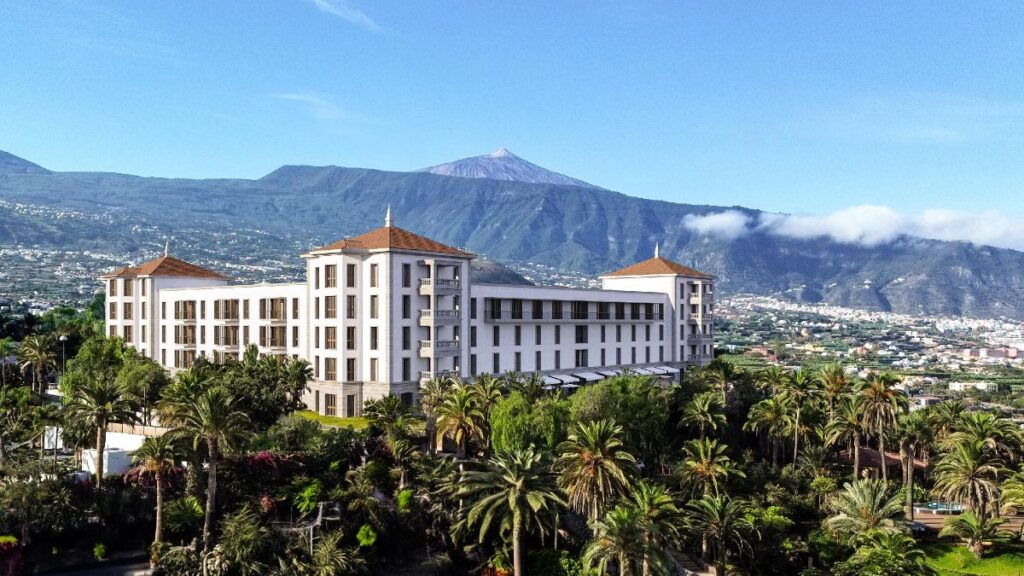
Northern Tenerife adds a new argument to the growing international competition to attract the wellness traveler. The historic Gran Hotel Taoro has completed its restoration with the opening of Sandára Wellness Centre, a space conceived as part of the hotel's identity and the volcanic landscape that surrounds it. The news goes beyond the inauguration of a new spa. It reflects an increasingly evident direction in high-end hospitality: wellness is beginning to be designed from the destination itself, not from a catalog of treatments.
The proposal stems from a simple idea: wellness makes more sense when it dialogues with the environment that hosts it.
A spa inspired by the volcanic landscape
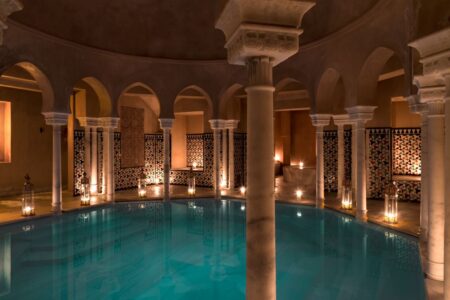
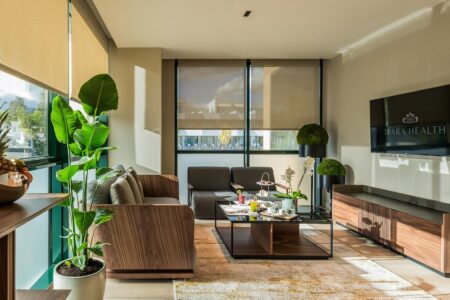
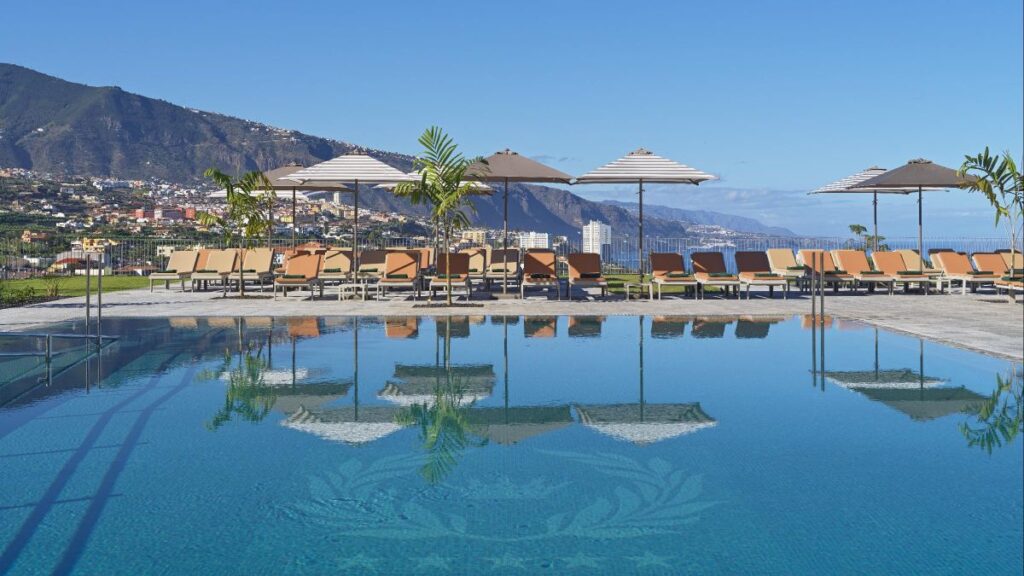
Located with views of the Valle de La Orotava, Sandára has been designed by architects Virgilio Gutiérrez and Eustaquio Martínez, who were also responsible for the complete rehabilitation of the hotel. The interiors, developed by Dishot, take the volcanic landscape of Tenerife as a reference through a palette of mineral tones, natural materials, and organic textures that seek to extend the outdoor experience into the interior of the building.
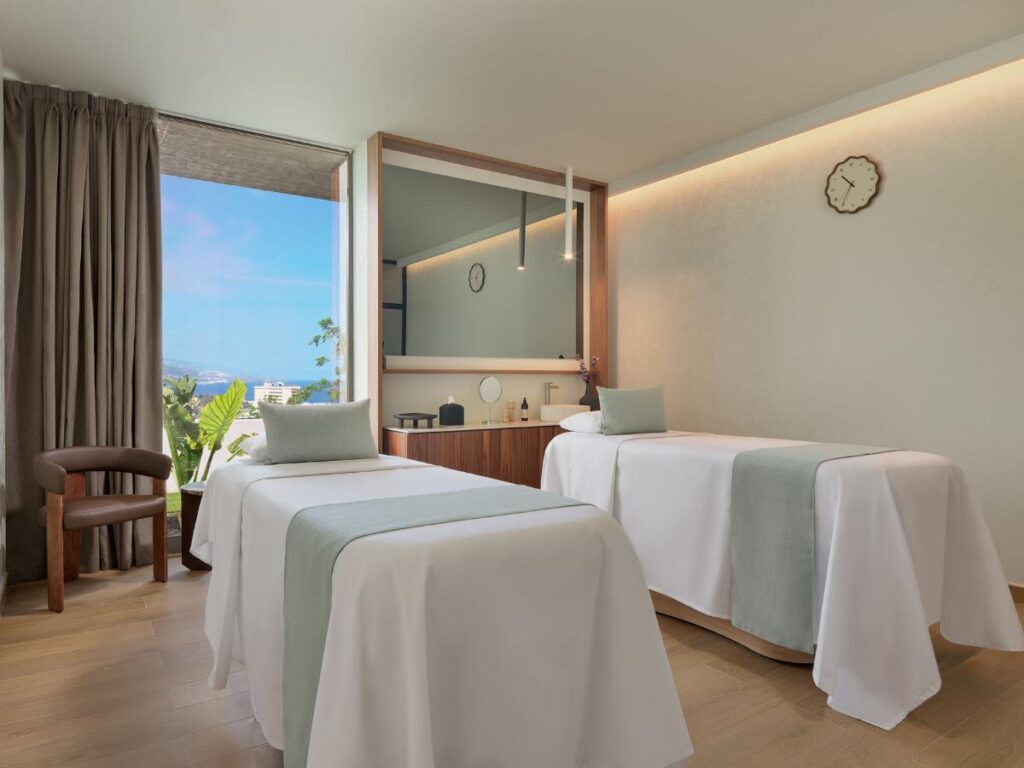
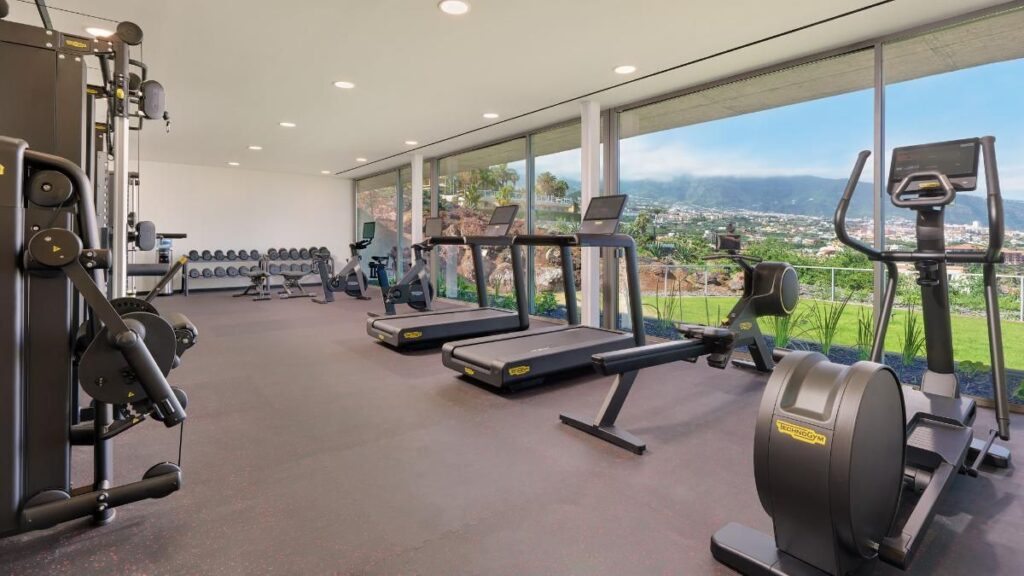
The centre features individual and double treatment rooms, a sauna, a Turkish bath, experience showers oriented towards the botanical gardens, a gym equipped by Technogym, and spaces for outdoor activities such as yoga and pilates.
Technology is present, though without taking center stage. Even the operational management of the spa relies on specialized tools like the Siana software, developed by Spalopia, reflecting how digitalization is also reaching the management of wellness spaces.
The destination as a treatment
One of the most interesting aspects of the project is its conceptual approach.
According to Mari Carmen Hernández, director of Sandára Wellness Centre, the goal was not to create an isolated spa within the hotel, but a space deeply connected to the landscape, climate, and pace of life in northern Tenerife.
That philosophy also extends to the treatment menu. The French brand Anne Semonin provides personalized protocols based on a prior skin diagnosis, while the offering ranges from advanced facial treatments with cryotherapy to Balinese massages, Ayurvedic treatments, physiotherapy, or prenatal programs.
The signature treatment encapsulates that connection to the territory: the Canarian Hot Stones Ritual, a 90-minute protocol that combines volcanic stones and local ingredients, such as banana oil, to build an experience that would be difficult to replicate in another destination.
Hospitality, gastronomy, and wellness speak the same language
The commitment of Gran Hotel Taoro does not end with the wellness area. The project also includes two restaurants, Oka and Lava, led by Michelin-starred chefs Ricardo Sanz and Erlantz Gorostiza, reinforcing a vision where accommodation, gastronomy, and wellness are part of a single narrative.
It is precisely this integration that is shaping the evolution of high-end hospitality. Travelers seek coherent experiences, where architecture, cuisine, landscape, movement, rest, and health respond to the same philosophy, rather than functioning as independent services.
The hotel market is experiencing a particularly interesting moment. While many establishments continue to replicate very similar models—the same cosmetic brands, standardized treatments, and designs recognizable anywhere in the world—another trend is beginning to consolidate, finding its differentiation in the destination itself.
The landscape, local culture, biodiversity, native products, or traditions of each region are starting to become part of the wellness experience with a prominence that barely existed a few years ago.
It is not just about offering a massage with local ingredients or incorporating outdoor activities. The challenge lies in building an identity capable of making that experience something that can only be lived in that place.
In a sector where standardization is increasingly evident, projects like Sandára remind us that the greatest competitive advantage remains what no algorithm, no artificial intelligence, and no international catalog can replicate: the unique character of a territory and the ability to turn it into a meaningful wellness experience.