Christmas leaves its mark. Not only in the form of a few extra kilos, but also in the form of the bloating, heavy digestion, fatigue, and metabolic imbalances.. Weeks of heavy meals, more sugar, alcohol and less movement create an overload that the body needs to process.
The good news is that the body has an enormous capacity for recovery. And today science confirms that there are nutritional strategies that can help the body to recover. activate deep cellular repair and renewal processes without resorting to extreme fasting.
A new human study, recently published and collected by Longevity Technology, The focus is once again on the so-called Fasting Mimicking Diet (fasting mimicking diet), demonstrating that this protocol can measurably activate the autophagy and cell regeneration in short, controlled periods.
The body does not “accumulate” excesses as we think it does.
After the holidays, one of the most common questions is whether the body carries over the excesses proportionally or whether it can quickly return to equilibrium. The answer is clear: the body does not function as a simple calorie account.
When excesses are prolonged:
- Increases insulin.
- Metabolic flexibility is reduced.
- Key processes such as autophagy, the internal cellular recycling system, are blocked.
However, these mechanisms do not disappear, are only inhibited. The study cited above shows that five consecutive days following a diet that mimics fasting are sufficient to reactivate them, irrespective of the initial weight of the person.
This is key: cellular benefits do not depend on how many kilos are left over, but of the metabolic signals that are activated.

What exactly is the fasting diet?
The diet that mimics fasting it is not a total fast, nor a conventional hypocaloric diet. It is a scientifically designed nutritional protocol to induce a metabolic state in the body similar to prolonged fasting, but with minimal nutrient intake.
During 3 to 5 consecutive days, The food is followed:
- Very low in calories (approx. 700-1,100 kcal/day).
- Low in protein, especially animal protein.
- Moderate in healthy fats.
- Very low in sugars and simple carbohydrates.
The aim is not to lose weight quickly, but rather to reduce insulin and IGF-1, shift the source of energy towards fat and activating autophagy, The process by which cells are cleaned, recycled and regenerated.
What happens in the body during this process
By decreasing energy and protein in a controlled manner over several days:
- The body goes into a conservation and repair mode.
- Fat burning is prioritised.
- Cell growth signals are reduced.
- Tissue regeneration and renewal processes are activated.
Therefore, both overweight and normal-weight people can benefit from this protocol, although the visible changes in weight are different.
Full fasting or a diet that mimics fasting?
Both strategies seek to activate the same biological mechanisms, but do not have the same physiological impact.
Complete fasting (24-48 h or more):
- It activates autophagy in a powerful way.
- But it is a high hormonal and nervous stress.
- It is not well tolerated by many people.
- May increase cortisol and promote muscle wasting.
- It is difficult to repeat on a regular basis.
The diet that mimics fasting, on the other hand:
- Activates the same metabolic pathways.
- Reduces physiological stress.
- Maintains minimal nutritional intake.
- It is safer and more sustainable.
- It can be repeated periodically with greater ease.
That is why, for most healthy and active people, Especially after periods of excess such as Christmas, the fasting diet offers a better balance between efficacy and safety.
Valter Longo and the origin of the method
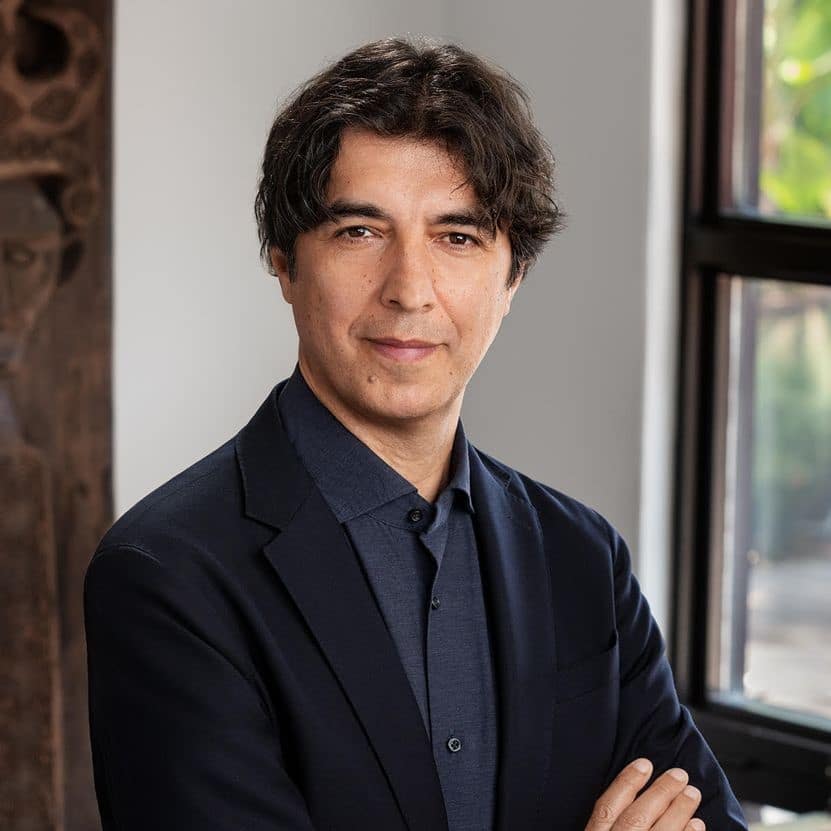
The main reference point behind this approach is the Dr. Valter Longo, Director of the Longevity Institute at the University of Southern California (USC) and one of the most influential figures in research on healthy ageing.
After decades of research, Longo developed the fasting-mimicking diet and its standardised formulation, ProLon® ProLon® ProLon® ProLon® ProLon® ProLon® ProLon, with a clear objective:
reap the benefits of prolonged fasting without subjecting the organism to the risks of total fasting, especially when applied on a regular basis.
According to their studies, this approach can:
- Improve metabolic markers.
- Reduce inflammation.
- To promote cell regeneration.
- Contribute to longevity.
- Avoid the rebound effect typical of restrictive diets.
Is it just for slimming down after Christmas?
No. Although it can lead to weight loss, its main value is metabolic and cellular. Many people report:
- Reduced inflammation.
- Better digestion.
- More mental clarity.
- Better rest.
- General feeling of body “reset”.
These benefits can appear even in people who have little need to lose weight, especially after weeks of overindulgence.
Rather than compensating, it is about reprogramming.
After the holiday feasts, the aim should not be to punish the body, but to create the conditions for it to return to self-regulation.
The scientific evidence - including this new human study - supports that short, well-designed, science-based interventions, The fasting diet, such as the fasting mimicking diet developed by Valter Longo, can help:
- Reset metabolism.
- Reactivate cell renewal.
- Laying the foundations for a healthier year, without extremes or miracle solutions.
As always, this type of protocol should be adapted to each individual and, in specific cases, should be carried out with professional support.