With the global focus on longevity and healthspan, The wellness market is experiencing a constant expansion of devices that promise to optimize recovery and prolong health. In this context, the following emerges: Immortal Chamber, a cabin that It integrates ten non-invasive technologies into a single session. and already operates in more than 40 locations in the United States, with planned deployment in Europe.
The concept is based on a clear idea: to condense into a few minutes what would normally require hours of treatment. The experience It combines red and near-infrared light therapies, pulsed electromagnetic fields (PEMF), molecular hydrogen inhalation, vibroacoustic sound, oxygen therapy and ozone therapy, along with guided breathing and meditation.. The result points to a synergistic effect superior to that of each technique separately.
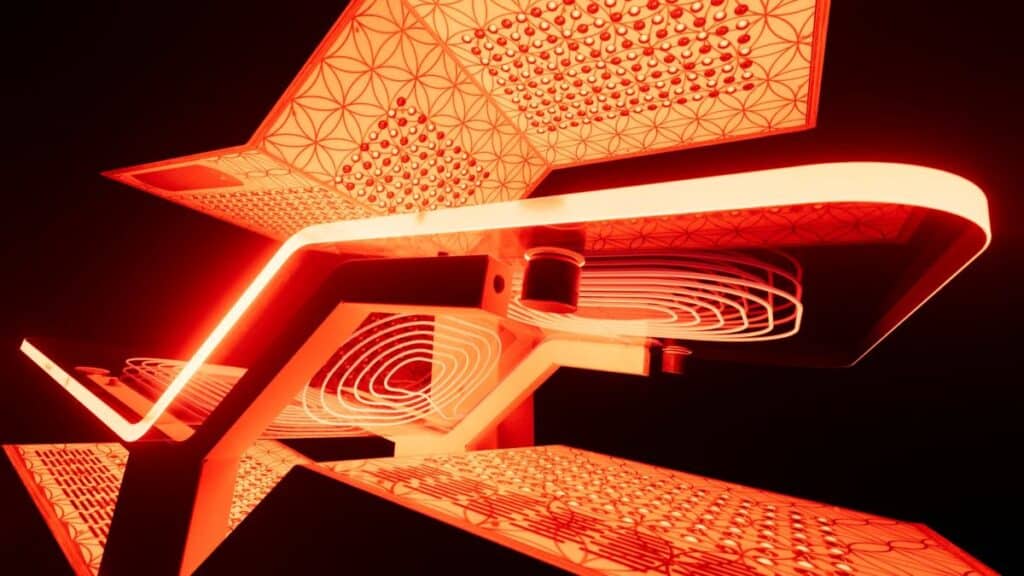
With a price of around $160,000 per unit, the question is inevitable: does the result justify the investment?
The trial was conducted at two distinct centers in Pennsylvania: a psychiatric health center and a contactless wellness space. The system is intuitive, with a touchscreen that allows users to select from seven pre-configured programs designed for relaxation or activation.
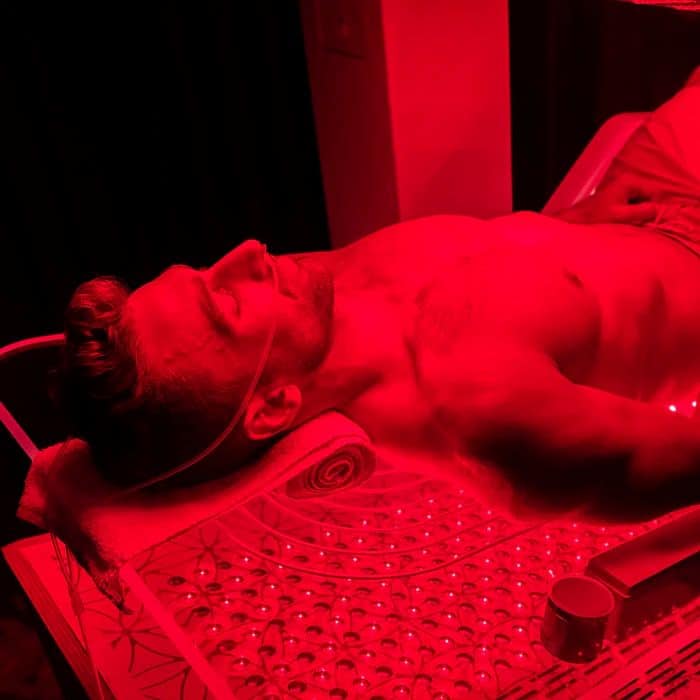
The user enters with their body exposed to the LED light —in underwear or a swimsuit— and uses a nasal cannula for the administration of molecular hydrogen. The voice-guided experience can last between 15 and 25 minutes.
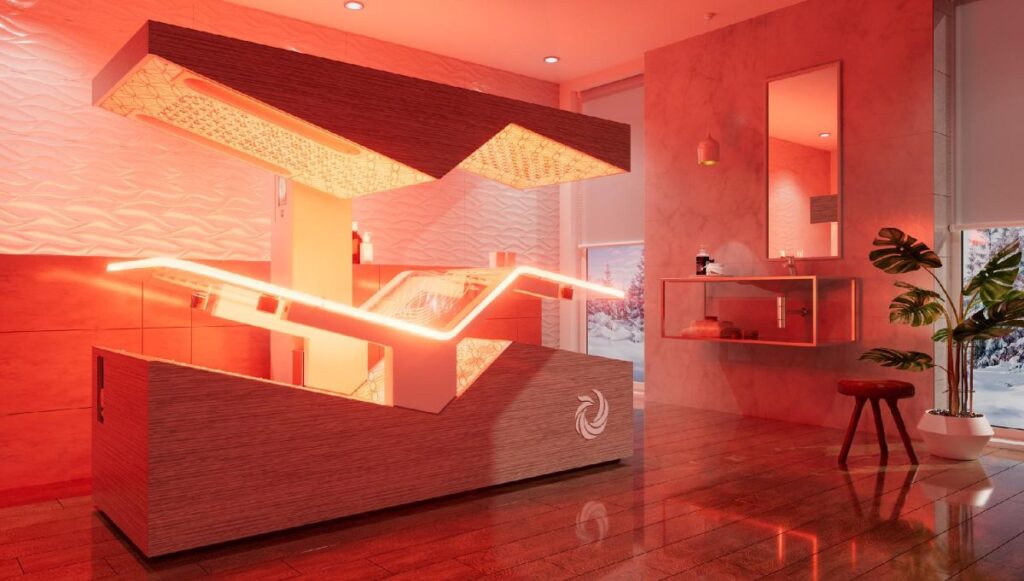
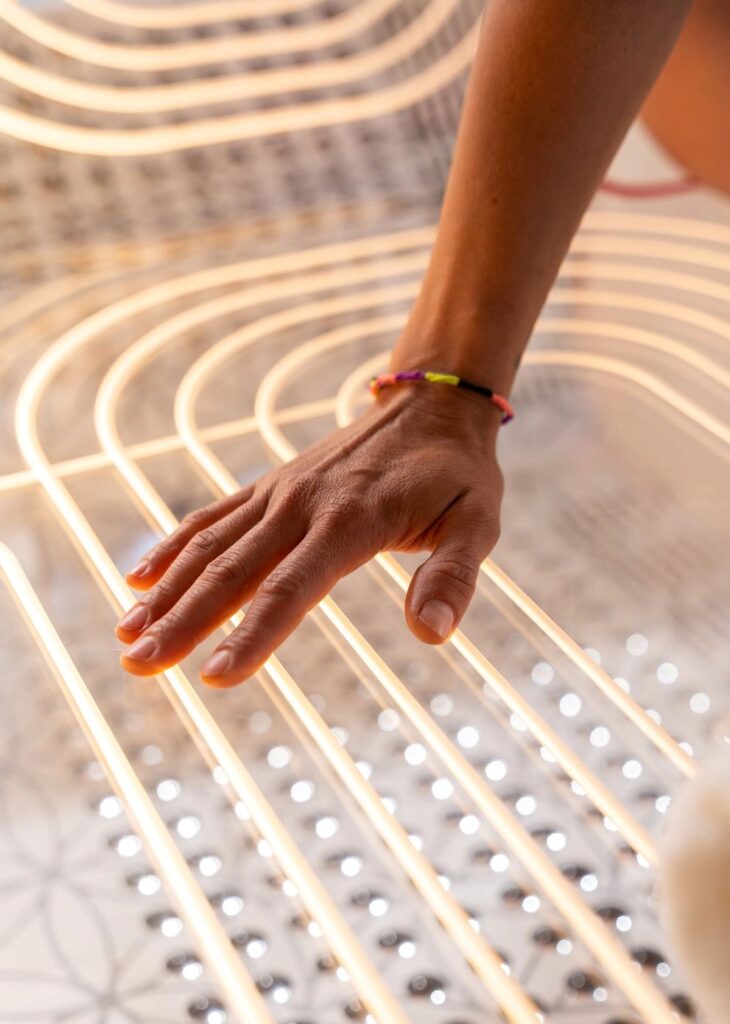
The device, approximately 1.80 meters long, It resembles a futuristic capsule with aesthetic references to aerospace engineering.. Once the session has started, the booth gradually closes while the lights, surround sound, and vibrations are activated.
The chosen 25-minute program combines calming and energizing stimuli. The dominant sensation is built upon deep relaxation, accompanied by a gentle vibration that creates a feeling of weightlessness. The experience unfolds comfortably and without any sense of confinement.
The price per session varies depending on the setting. In specialized centers it's around $90 for 50 minutes, while in luxury hotels it can reach $200 or more. Some places integrate it as an independent treatment, and others combine it with therapies such as massages, cryotherapy, or even more advanced protocols such as ketamine therapy.
From a business perspective, the Ammortal Chamber introduces several advantages (primarily for the center): low staff dependency, premium revenue potential, and ability to differentiate within the wellness offering. In settings such as high-end hotels, it is positioned as an experience of “sensory reset” which complements thermal circuits and traditional treatments.
The experience is clearly perceived as relaxing. The immediate effect doesn't translate into an obvious transformation at the end of the session, although a sustained feeling of good mood and increased energy does appear afterward.
The integration of multiple technologies poses a communication challenge. Technical complexity can cause confusion for the end user, opening the door to a focus on overall benefits rather than a detailed explanation of each component.
Recurring use seems more aligned with the device's potential than a one-off session, especially in membership-based models or ongoing programs.
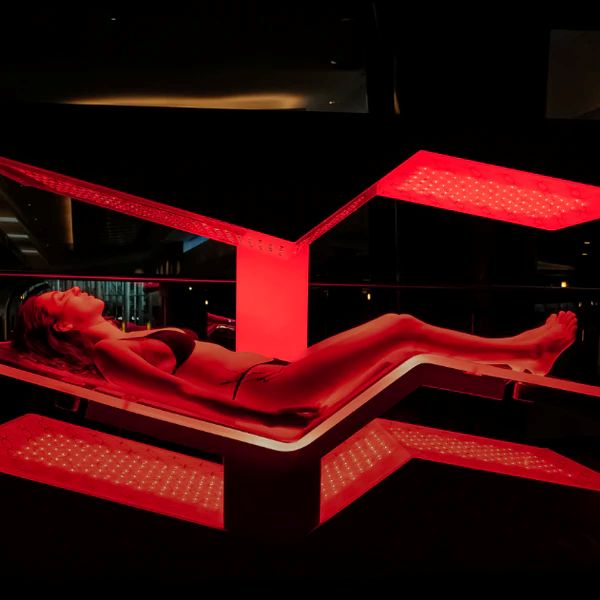
At the Fairmont Austin, one of the first hotels to incorporate this technology, The decision responds to three objectives: to respond to the demand for experiences that integrate performance, recovery and mental balance; to generate income with low operating costs; and to position itself as a benchmark in next-generation wellness.
The return on investment forecast is between 12 and 18 months, with initial demand led by profiles such as athletes, executives, and travelers subjected to high levels of stress.
Maintenance is kept to a minimum, limited to cleaning, filter checks and system updates, with remote support available.
The Ammortal Chamber represents an evolution in the way wellness experiences are designed. The integration of technologies, the multisensory approach, and the application of neuroscience principles create a model that responds to a growing demand: to optimize health in less time, with greater precision, and through an immersive experience.
The interest in these types of solutions reflects a paradigm shift. Wellness is moving towards more complex, measurable, and personalized interventions, where efficiency and experience converge in the same space.
*Royalty-free photos, provided for use and distribution.