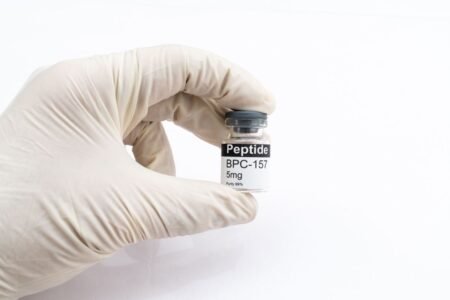
Communication between the different cells of the immune system, the balance of the inflammatory response and the integrity of the intestinal barrier are the focus of new lines of research into the body's ability to defend itself without generating excessive inflammatory responses. Dr. Aletta Sorensen analyses the role of several peptides involved in these mechanisms, including Thymosin Alpha-1, Thymulin, KPV and VIP.
Immunity is usually explained from a fairly simple perspective: a defence system that recognises threats and activates mechanisms to fight them; however, its functioning is considerably more complex. An effective immune response requires the ability to react, but also control mechanisms that make it possible to limit inflammation, avoid disproportionate responses and restore balance once the threat has been overcome.
This ability to maintain or restore a functional immune defence under conditions of inflammatory stress is called immune resilience or immune resilience. It is the concept that Dr. Aletta Sorensen addressed in a presentation in Milan, focused on the interaction between innate and adaptive immunity and on the role that certain peptides may play in its regulation.

Her talk places the focus on a question relevant to preventive medicine: immune health does not depend exclusively on the intensity of the defensive response, but also on its ability to adapt, regulate itself and prevent the immune system's own activity from ultimately damaging tissues.
One of the key players in this communication network is dendritic cells. These cells of the innate immune system play an essential role in antigen presentation and in the activation and orientation of T lymphocytes, which are responsible for different adaptive immunity responses.
Their activity helps determine whether the immune response is directed towards defence against a threat or towards regulatory and tolerance mechanisms. The balance between both functions is fundamental to avoiding both an insufficient response and excessive immune activation.
In this context, Sorensen examined the role of Thymosin Alpha-1, a peptide related to dendritic cell function and signalling through Toll-like receptors, which are involved in the recognition of danger signals and in the coordination of the immune response.
Another mechanism addressed was its relationship with the enzyme indoleamine 2,3-dioxygenase (IDO), which participates in tryptophan metabolism. This pathway is involved in the regulation of immune activity and in the development of tolerance mechanisms, adding another dimension to the function of this peptide beyond the stimulation of defences.
Thymulin introduces an additional element: its dependence on zinc. This trace element participates in its biological activity and connects nutritional status with processes such as the differentiation and functional maturation of T lymphocytes. A relationship that reminds us of the importance of considering nutritional context when studying immune functionality.
The intestinal barrier: a decisive frontier for inflammation
Another of the mechanisms examined by Dr. Sorensen has the intestine as its setting.
The integrity of the intestinal barrier constitutes a first line of protection against microbial components present in the intestinal lumen. When this barrier loses functionality, certain microbial products can reach the underlying immune cells and contribute to maintaining inflammatory signals.
It is in this area that KPV, a tripeptide studied for its relationship with mechanisms regulating intestinal inflammation, comes into play.
The presentation addressed its possible incorporation through the peptide transporter PepT1 and its relationship with the reduction of certain intracellular signalling pathways, specifically NF-κB and MAPK. Both participate in the regulation of inflammatory processes and in cytokine production.
The modulation of these pathways has been linked to lower production of inflammatory mediators and a reduction in intestinal inflammation in the models studied.
However, there is an important nuance: NF-κB also performs protective functions in intestinal epithelial cells, including cell survival. Therefore, inhibiting or modifying an inflammatory pathway does not automatically constitute a benefit. The result depends on the type of cell affected, the intensity of the intervention and the biological context.
This consideration is especially relevant for the development of future therapeutic applications: modulating an inflammatory response requires understanding which mechanisms should be regulated and which must remain active to preserve tissue function.
VIP: when the nervous system participates in immune regulation
The interaction between the nervous and immune systems is another of the lines addressed in the presentation.
Vasoactive intestinal peptide, known as VIP (Vasoactive Intestinal Peptide), offers an example of this neuroimmune communication. In addition to its physiological functions in different tissues, it can influence the differentiation of dendritic cells towards a tolerogenic profile.
This behaviour favours the generation of regulatory T lymphocyte responses, which help to limit inappropriate immune activation.
The interest of this mechanism lies in the possibility of intervening in the processes that maintain immune balance, rather than acting exclusively on the inflammatory response once it has been triggered.
Thyroid autoimmunity, excess weight and metabolic inflammation
The clinical part of the presentation included a case of thyroid autoimmunity associated with excess weight, used to contextualise the immune mechanisms described.
One of the elements considered was the activity of macrophages present in adipose tissue. These cells participate in the local immune response and can produce inflammatory mediators such as TNF-α and IL-6, two cytokines related to metabolic inflammation processes.
Adipose tissue, therefore, is not merely an energy reserve. It is also a metabolically active tissue, with the capacity to intervene in the body's hormonal and immune communication.
The presentation covered the evolution of thyroid, metabolic and inflammatory parameters over an eight-month follow-up. This case made it possible to link molecular mechanisms with a clinical scenario in which autoimmunity, excess weight and inflammation converge.
From stimulating defenses to restoring immune balance
The conceptual contribution of these mechanisms lies in broadening the perspective from which immunity is studied. Thymosin Alpha-1, Thymulin, KPV and VIP are involved in different biological processes, but their mechanisms allow examining different dimensions of immune regulation: antigen presentation, lymphocyte maturation, tryptophan metabolism, intestinal integrity and neuroimmunological communication.
It is important to distinguish, however, between biological mechanisms described in the scientific literature, experimental results and demonstrated clinical efficacy. The existence of a plausible pathway of action does not in itself prove that the administration of a peptide will produce clinical benefits in a given population. Establishing this requires adequate human trials, with well-defined formulations, doses, routes of administration and efficacy and safety criteria.
The most informed and self-made patients, could fall into the trap of self-prescribing the use of certain peptides, simply based on the therapeutic indications they find online or read separately in their own research, but Dr. Sorensen's presentation reaffirms how complex and risky it would be to ignore all the variables that interfere with our biology and to self-medicate by imitation, without strict medical supervision.
Immune resilience opens a field of interest for research in preventive medicine, especially due to the relationship between chronic inflammation, metabolism, autoimmunity and aging. Its development will depend on the ability to translate this knowledge into evaluable clinical interventions, with reproducible results and a favorable benefit-risk ratio.
The scientific goal is to understand how to preserve an effective immune response without keeping the body in a state of unnecessary inflammatory activation. An issue that places immune regulation in a relevant position within precision medicine and long-term health strategies.