In the race to slow ageing and optimise physical and mental performance, NAD+ (nicotinamide adenine dinucleotide) has become the star supplement. Its key role in cellular energy production, DNA repair and activation of longevity-related enzymes has sparked growing interest among scientists, wellness professionals and biohackers. However, a big question remains: what is the most effective way to administer it?
Oral supplements: a diluted promise?
Most supplements currently available on the European market are in the form of powder, capsules or tablets. They usually do not contain NAD+ directly, but rather its precursors: nicotinamide riboside (NR) or nicotinamide mononucleotide (NMN), which the body must convert into NAD+ endogenously.
The problem lies in its low bioavailability. Several studies have shown that much of the ingested supplement is metabolised in the gastrointestinal tract or eliminated before reaching the target cells. In some cases, it may even interfere with other biological values or produce mild side effects such as nausea, fatigue or digestive discomfort.
This begs the question: are we wasting some of the investment in these supplements, or are we simply not yet accessing the true potential of NAD+?
Injectable NAD+: the future of supplementation?
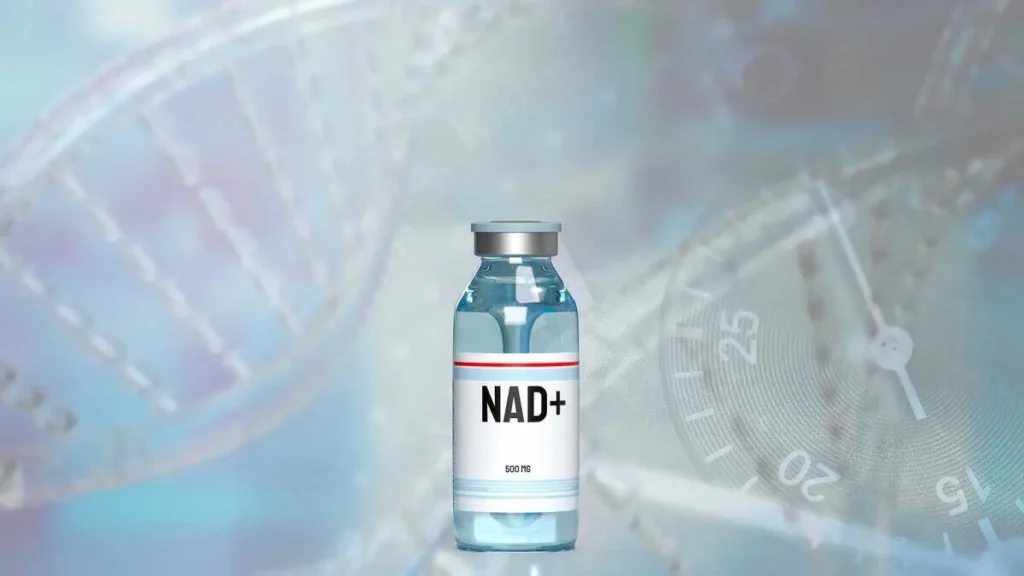
Unlike the oral route, the NAD+ injectable promises almost total absorption, with direct delivery into the blood or muscle tissue. This method avoids liver metabolism and digestive breakdown, resulting in faster and more effective effects.
Proponents of this pathway claim improvements in mental clarity, energy levels, physical recovery, sleep quality and even mood. Some protocols also use it as part of regenerative or detoxifying therapies.
However, this solution is still not without controversy.
What does Europe say, and why isn't it already regulated?
Currently, injectable NAD+ not officially approved in Europe neither by the Spanish Agency for Medicines and Health Products (AEMPS) nor by the European Medicines Agency (EMA) as an authorised medical therapy. Although it is marketed in private biohacking or longevity clinics, its use falls into uncertain legal terrain: off-label or under experimental protocols.
Why this reluctance? Europe is generally cautious about new ingredients or injectable therapies. Its evaluation process requires not only evidence of efficacy, but also thorough documentation of safety, possible long-term side effects and well-designed clinical studies. This caution may seem excessiveThe EU has historically prevented the massive entry of products that, without adequate support, could pose a risk to public health.
In contrast, The United States has been more permissive. Intravenous therapy clinics in California, Miami or New York already offer injectable NAD+ as part of anti-aging or cognitive enhancement treatments. However, the FDA has not yet approved this molecule as a drug either, but allows its use in customised master formulations.
So is it only a matter of time before Europe follows in the footsteps of the US? Or is it simply a wave of premature enthusiasm?
An expert voice from the inside: NADclinic's CEO replies

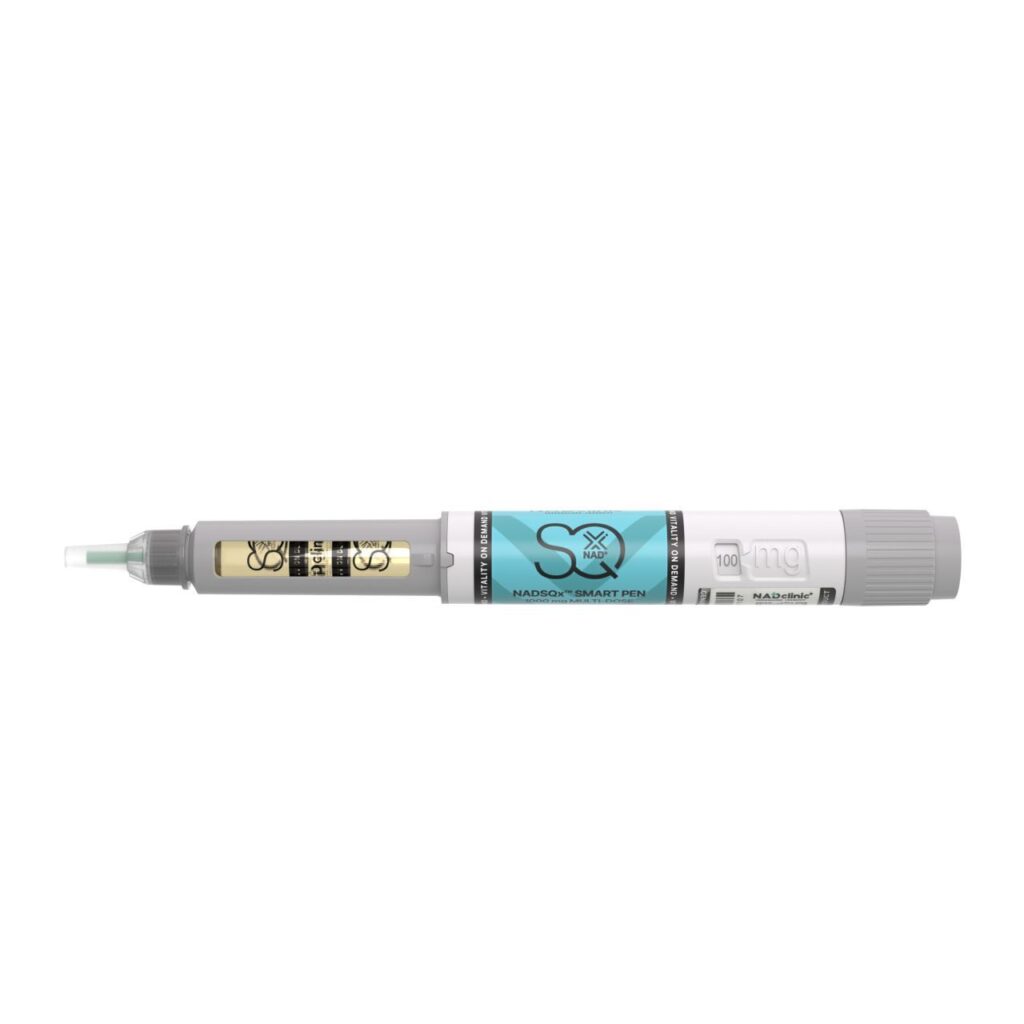
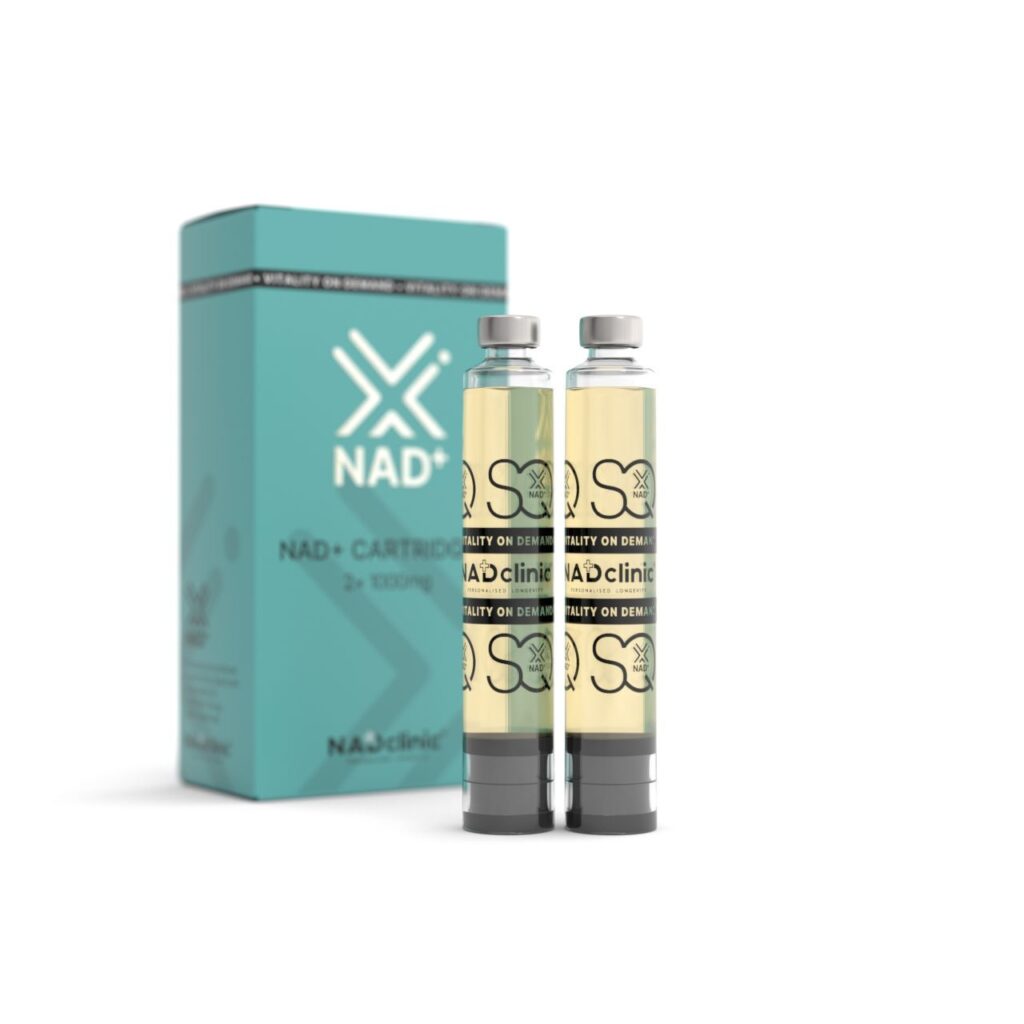
In order to shed some light, we take the statements of Iain De HavillandCEO and founder of NADclinic Groupwhich claims to have developed the most potent injectable NAD+ on the market: the SQX 1000 mg Smart Pen. In one recent publicationDe Havilland debunks some of the most widespread myths on social media about the colour and purity of injectable solutions:
"The quality of a product is not measured by the colour of the liquid, but by the purity of the active ingredient, the manufacturing process and the absence of artificial stabilisers that compromise its efficacy".
De Havilland advocates the use of certified pharmaceutical raw materials (API), manufacturing in UK GMP-accredited facilities and full transparency through independent laboratory analysis (UKAT). It rejects the use of synthetic additives, even though these may give a "cleaner" appearance to the solution, because they compromise the bioavailability and therapeutic efficacy of the product.
"We make no compromises. Neither on quality nor on sustainability," says the CEO, whose group now operates in more than 40 countries, with production sites in the UK, Greece, South Africa and Japan.
It is not approved in Europe, but we produce and supply it from our European hub in Athens with DHL express cold chain delivery. We have also registered our NAD+ formulation with the German Ministry of Health. His words reflect a clear vision: if done right, injectable NAD+ can become a powerful tool for preventive medicine and personalised wellness.
Science is still building the body of evidence needed for NAD+ - especially in injectable form - to be accepted as a valid, safe and standardised therapy. But early results, both in preliminary research and in clinical experience, point to the fact that could be one of the most promising tools for extending health and vitality over time..
Europe is watching cautiously. And perhaps rightly so. But if the trend continues, and if the data support what many already sense, it is likely that the legalisation of injectable NAD+ will only be a matter of time. In the meantime, it makes sense to be informed, to choose products of proven quality and, above all, to always consult a healthcare professional before starting any advanced therapy.