Surgery, radiotherapy and systemic treatments remain the three mainstays of cancer treatment, with survival rates now standing at around 75%. However, contemporary oncology has taken a decisive step beyond treatment, moving towards a model in which the prevention, early diagnosis and personalised therapy become essential elements in improving patient outcomes and quality of life.
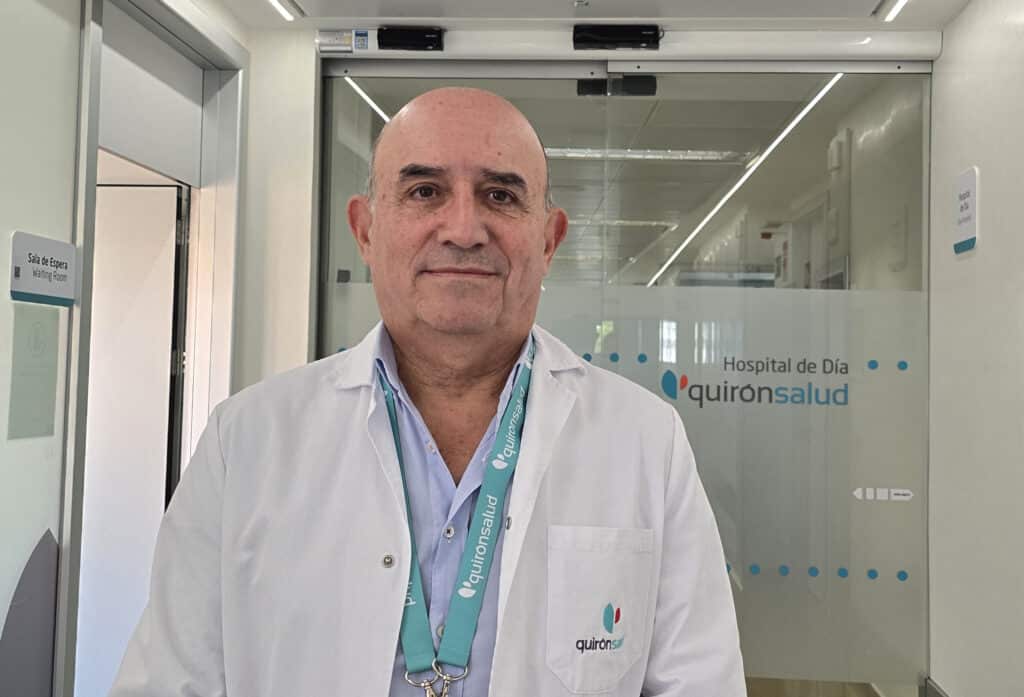
In this context, the Dr Jorge Alfonso Contreras, Head of the Oncology Department of the hospitals Quirónsalud Málaga and Quirónsalud Marbella, The individualisation of treatment has transformed the way we understand the disease, he stresses. “Over the years we have learned that in many cases, less is moreHe explains: less surgical aggression, more tailored treatments and greater respect for the patient's quality of life, without compromising oncological efficacy.
Less aggression, more quality of life
One of the most visible developments stemming from this approach is the conservative surgery, especially in tumours detected in early stages. “In a high percentage of patients with breast cancer, conservative surgery allows organ preservation and is accompanied by complementary radiotherapy of short duration, between five and fifteen sessions, with minimal side effects,” says Dr. Contreras.
A similar situation occurs in prostate cancer, where the robotic surgery has made significant progress in reducing complications such as urinary incontinence and erectile dysfunction compared to conventional surgery. “These procedures have meant a real leap in the quality of life of patients of both sexes,” says the specialist.
Precision medicine: treat better, intervene earlier
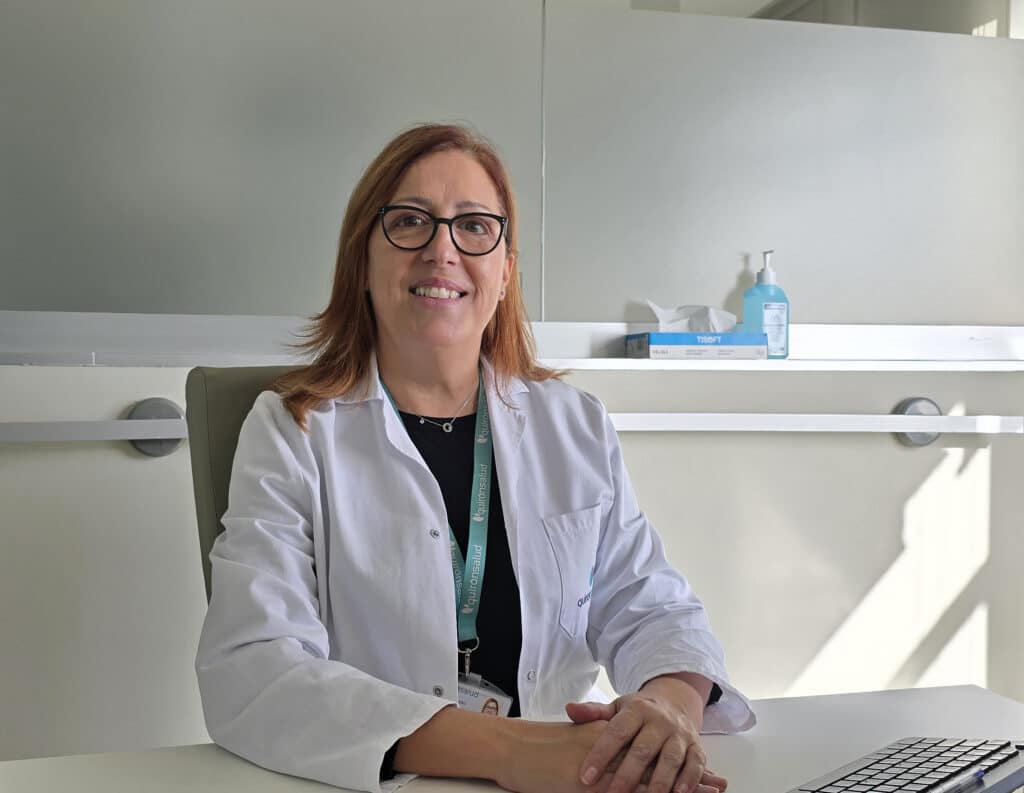
Prevention also relies on precision medicine, This allows for anticipating and adjusting treatment decisions from the outset. The Dr. Cristina Quero, a specialist in the Oncology Department at Quirónsalud Marbella Hospital, explains that biomarkers and genetic studies are a key tool today. “Genetic tests and biomarkers help us to select the most appropriate treatment for each patient and, in many cases, to avoid unnecessary or less effective therapies,” he points out.
The analysis of mutations such as EGFR, KRAS or BRAF, as well as the expression of proteins such as PD-L1 or HER2, together with advanced techniques such as massive sequencing (NGS), the study of microsatellite instability (MSI) or hereditary markers like BRCA, The use of the new technology allows the design of more effective, less toxic strategies, adapted to the biological profile of each person.
Ultra-short-course radiotherapy: efficacy with less impact
Technological advances have also made it possible to significantly shortening some treatments, reducing their physical and emotional impact. “In certain early-stage breast and prostate tumours, it is possible to apply radiotherapy schedules of only five days, with the same safety and efficacy as conventional treatments,” explains Dr. Quero. A particularly relevant benefit for patients diagnosed at an early stage.
Prevention and survival: a direct link
The combination of early diagnosis, less invasive treatments and personalised therapies has a direct impact on survival. “We are observing better responses to treatment and, consequently, greater survival and better quality of life in patients treated at the Comprehensive Oncology Unit of the Quirónsalud Marbella Hospital,” the specialists emphasise.
Research and prevention of the future
Cancer prevention is also built on research. Quirónsalud Marbella Hospital actively participates in oncological research projects together with the Quirónsalud Málaga Cancer Research Unit, offering patients access to clinical trials and innovative therapies. “Research allows us to make further progress in personalised decision making and to anticipate the evolution of the disease,” they conclude.