Periodontitis and certain lesions of the jawbone are being investigated for their possible contribution to chronic low-grade inflammation. The connection between oral health, metabolism and cardiovascular risk raises the need to incorporate the mouth into a comprehensive assessment of aging.
In longevity clinics, an increasing number of variables related to biological aging are analyzed: systemic inflammation, insulin resistance, body composition, cardiovascular function, gut health or immune age. However, there is a part of the anatomy that rarely occupies a prominent place in these assessments: the oral cavity and, in particular, the state of the tissues that support the teeth.
The omission is striking considering the documented relationship between periodontal disease and various systemic pathologies. The gums maintain a constant interaction with the immune system, and the inflammatory processes that affect oral tissues can have repercussions beyond the mouth. Research is also paying attention to possible inflammatory foci lodged in the jawbone, especially in areas where dental extractions have been performed.
This perspective is gaining ground within a preventive medicine that seeks to understand which factors keep the body subjected to persistent inflammatory activation. For Dr. Mario Parra Rawel, biological dentist and founder of Biohealth Dental Spain (BDS), and Dr. Emmanuel González, physician specializing in longevity and cardiovascular health at ETRYUM, the oral assessment should be part of that clinical conversation.


Chronic inflammation: the wear that does not always produce symptoms
The term inflammaging, coined by Professor Claudio Franceschi, describes the chronic low-grade inflammation that accompanies aging. Unlike an acute infection, this process can persist for years without fever, pain or evident manifestations. Its medical interest lies in the relationship it presents with cardiovascular, metabolic and neurodegenerative diseases.
In 2021, researchers from Stanford and the Buck Institute developed iAge, an inflammatory age clock based on different immune signals present in the blood. The work, published in Nature Aging, analyzed data from more than a thousand people and found that certain inflammatory markers allowed anticipating frailty, multimorbidity and cardiovascular risk. Among the results, the presence of favorable inflammatory profiles in a significant proportion of the centenarians studied also stood out.
The research provided a relevant idea for preventive medicine: chronological age and the functional state of the immune system do not necessarily advance at the same pace.
The clinical question consists of identifying which factors contribute to maintaining that activation. Visceral obesity, metabolic alterations, smoking, lack of physical activity and certain chronic diseases are part of the known factors. Periodontal health also deserves attention.
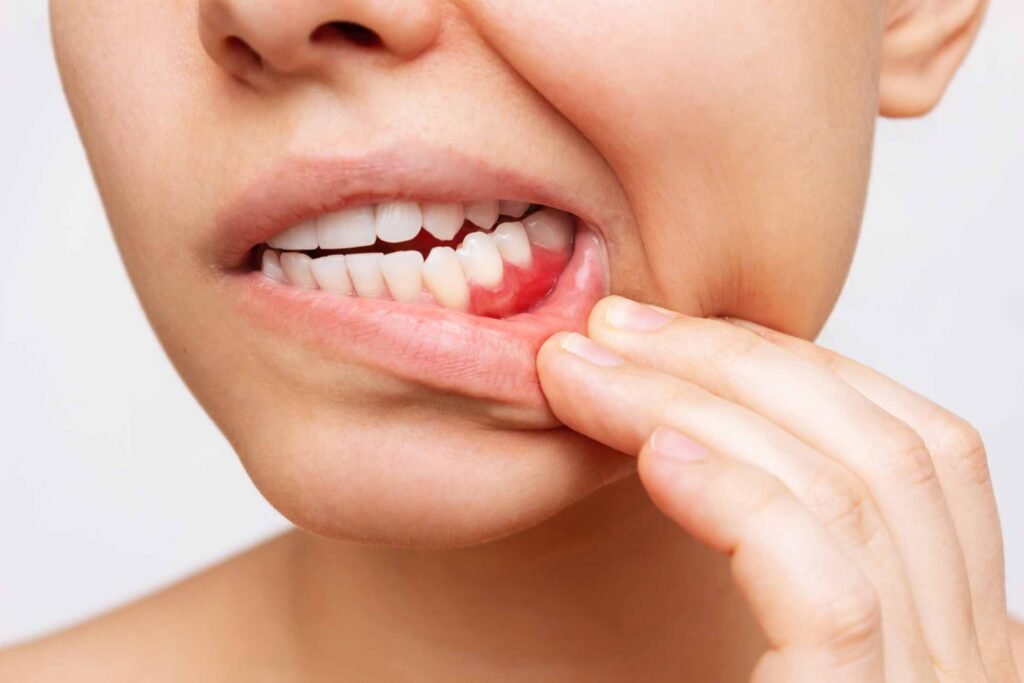
Periodontitis is an inflammatory disease of the tissues that surround and support the teeth. Its association with diabetes and cardiovascular disease has considerable scientific literature. There is also research linking periodontal disease with indicators of accelerated biological aging.
One of the most interesting lines of research studies the relationship between the gums and the arteries. A trial published in 2025 in European Heart Journal, with 135 participants affected by periodontitis, compared the effects of intensive periodontal treatment with those of conventional cleaning. After two years of follow-up, the intensively treated group presented more favorable results in certain vascular parameters, including carotid wall thickness and arterial dilation capacity.
The metabolic connection also has clinical data. A Cochrane review found that periodontal treatment in people with type 2 diabetes could reduce glycated hemoglobin (HbA1c), an indicator of glycemic control over the previous months. The estimated mean reduction was 0.43 percentage points at three or four months.
These results reinforce the advisability of coordinating periodontal follow-up with metabolic and cardiovascular control. In a patient with diabetes, hypertension or cardiovascular history, knowing the state of the gums provides clinical information that can go unnoticed in a consultation focused exclusively on other indicators.
Jaw cavitations: research on hidden inflammatory foci
Periodontitis is a relatively well-known disease. Much less widespread is the scientific debate about certain alterations of the jawbone that can appear after a dental extraction.
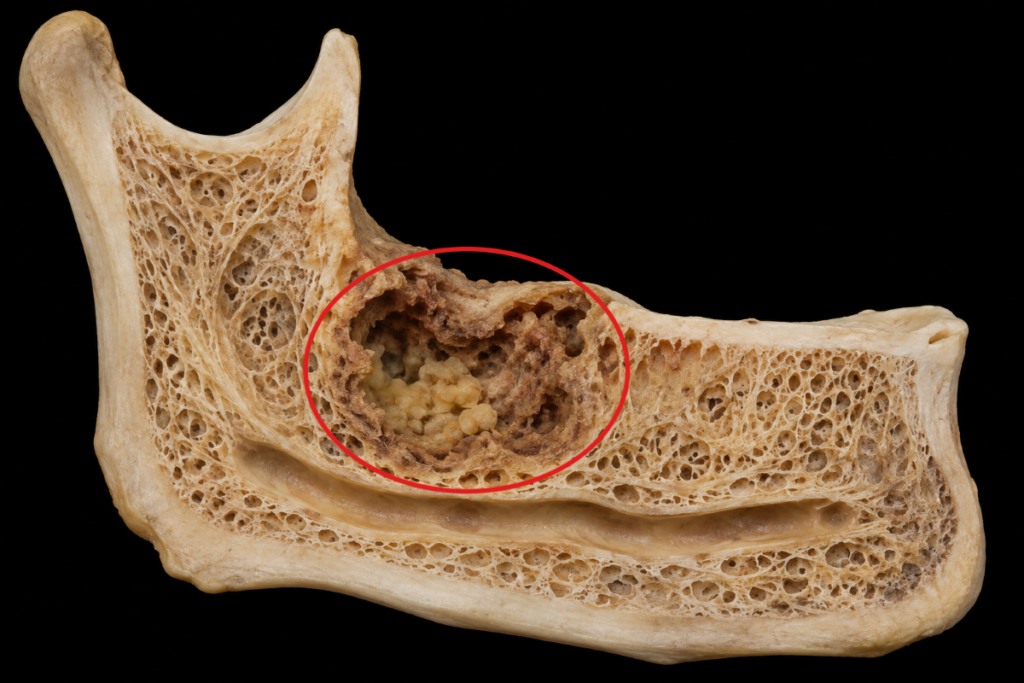
Under normal conditions, the body repairs the space left by an extracted tooth through a process of bone regeneration. However, in some cases areas have been described in which repair does not follow an adequate evolution and areas of altered medullary tissue persist, with fatty components and signs of degeneration.
In specialized literature, designations such as FDOJ (fatty degenerative osteonecrosis of the jaw) and BMDJ (bone marrow defect of the jaw). In certain biological dentistry circles they are known as cavitations.
The interest of some researchers focuses on the inflammatory signaling profile presented by these tissues. The German dentist Johann Lechner, together with the immunologist Volker von Baehr, has studied samples from these lesions and has identified elevated concentrations of RANTES/CCL5, a chemokine involved in the communication and recruitment of immune cells.
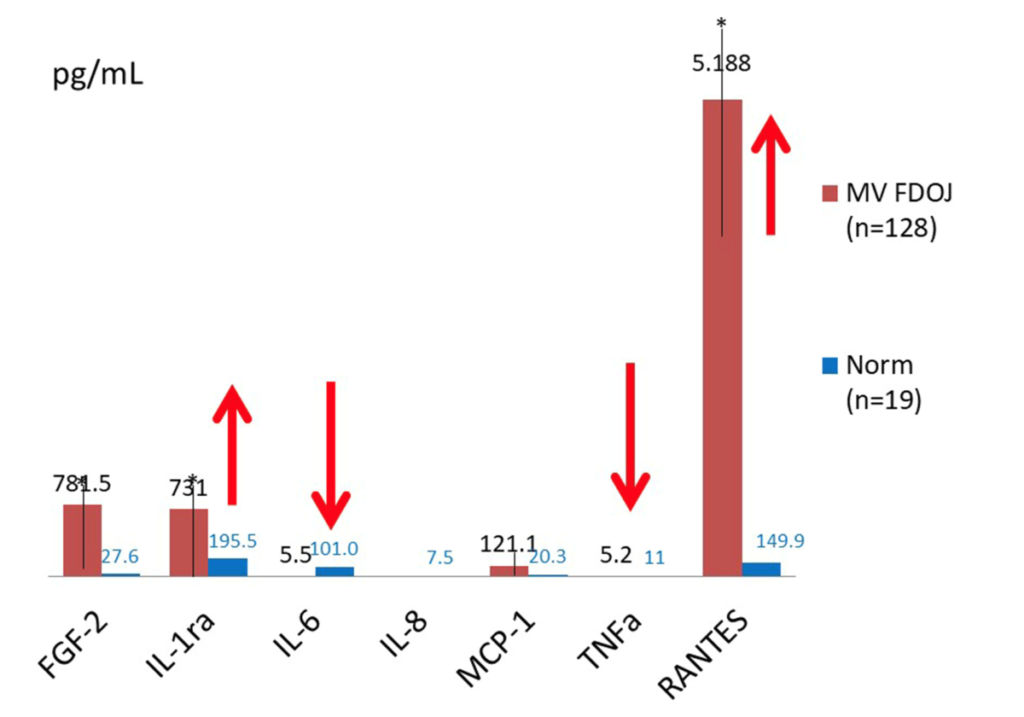
In a series of 128 samples published in 2024, the researchers reported mean RANTES/CCL5 concentrations close to 5,188 pg/ml in the tissue studied, compared with approximately 150 pg/ml in samples of healthy jawbone. The difference, of nearly 35 times, constitutes one of the results that has aroused the greatest interest in this line of research.
Elevated concentrations have also been reported in samples from patients with multiple sclerosis. In some cases, the values were considerably higher than those observed in the reference tissue.
Another aspect noted by the researchers is that these samples did not necessarily present the usual pattern of acute inflammation. The levels of certain mediators, such as TNF-α and IL-6, were lower than those found in the healthy comparison tissue. This particularity has led to describing the phenomenon as a possible silent or low-profile inflammation.
RANTES/CCL5 participates in immune processes and is also under investigation for its involvement in vascular inflammatory phenomena and other age-related alterations. Its elevated presence in certain jaw lesions raises a hypothesis of interest: some local foci could maintain persistent immune signaling.
Can that signal be reduced by eliminating the affected tissue?
A 2023 study with 113 patients examined RANTES/CCL5 levels in blood before and after intervention on these lesions. The authors reported a significant reduction among the operated patients, while in the untreated group the levels increased during the observation period.
The results justify continuing to investigate the relationship between these lesions and systemic inflammation. However, they still do not allow us to affirm that all cavitations produce generalized inflammation, that they are responsible for specific chronic diseases, or that their elimination improves longevity. The available evidence comes fundamentally from specific research groups and needs independent validation, larger prospective studies and consensus diagnostic criteria.
The existence of a tissue alteration and the demonstration that it constitutes a causal factor of systemic disease are different scientific questions.
A shared evaluation between dentistry and medicine
At BDS and ETRYUM, the clinical approach is based on collaboration between biological dentistry and longevity medicine. The idea is to integrate oral history with medical history, analytical parameters and the factors that may condition the patient's recovery.
The first step is to identify possible alterations. To study the jawbone they use cone beam computed tomography (CBCT), a three-dimensional imaging technique that allows examination of structures that may not be adequately appreciated on a conventional panoramic radiograph. Interpretation must also consider the clinical examination and the history of extractions, root canals, implants and other treatments.
The prior medical assessment contemplates the patient's general state of health, their analytical parameters, vitamin D, diet and the risk factors that may influence healing. Depending on the case, the team establishes nutritional and supplementation guidelines.
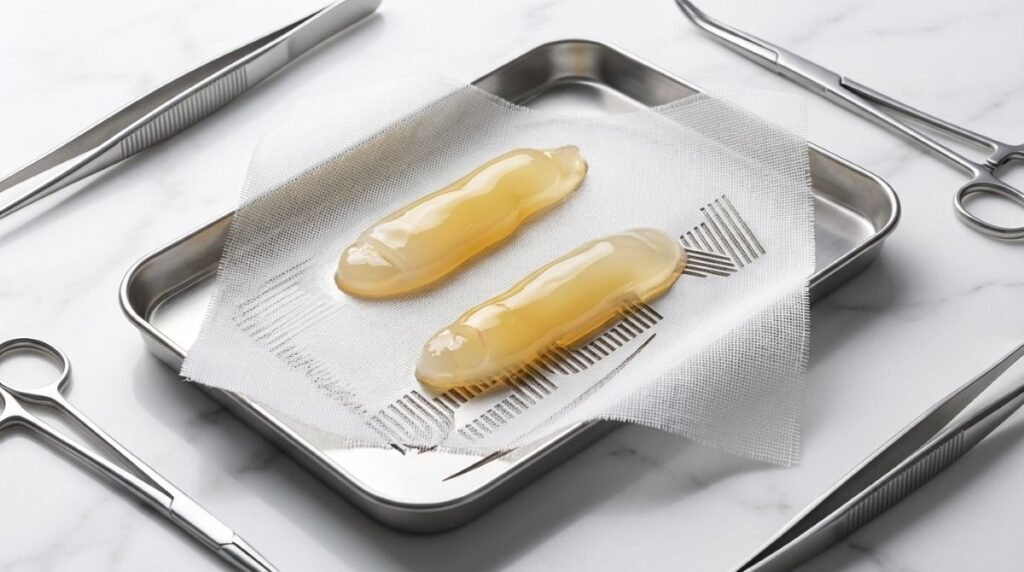
When there is a surgical indication, the protocol described by the team contemplates the removal of the altered tissue, local disinfection with ozone and the use of PRF (Platelet-Rich Fibrin), a platelet-rich fibrin matrix obtained from the patient's own blood and used in certain tissue regeneration procedures.
The medical team may incorporate other supportive interventions, such as intravenous administration of vitamin C, always within an individualized assessment and taking into account its indications, contraindications and clinical evidence. For dental replacement, BDS also works with ceramic zirconia implants.
Follow-up includes the evolution of bone regeneration and the patient's general state of health. In selected cases, measuring RANTES/CCL5 in blood before and after treatment is contemplated.
It is worth remembering that CBCT allows the anatomy to be studied, but an image alone does not confirm the existence of a systemic inflammatory focus nor does it constitute an automatic indication for surgery. The therapeutic decision requires clinical correlation and an individualized evaluation of the possible benefits and risks.
Chewing well is also part of longevity
Oral health has another dimension that deserves attention within healthy aging programs: its influence on diet.
The loss of teeth, discomfort when chewing or poor oral function can progressively modify the diet. Some people reduce their consumption of meat, nuts, whole fruits or raw vegetables because they find it uncomfortable to eat them. Over time, these restrictions can affect the nutritional quality of the diet.
In older adults, chewing difficulties have been linked to a higher risk of malnutrition and lower dietary variety. The impact reaches priority longevity goals, such as maintaining muscle mass, meeting protein needs and preserving functional autonomy.
That is why an evaluation aimed at preserving physical capacity over the coming decades should include seemingly simple questions: whether the patient chews comfortably, whether they avoid certain foods, whether they have lost teeth, or whether they always use the same side of the mouth.
These are details that can reveal functional problems with nutritional consequences and that sometimes remain outside routine medical check-ups.
Bringing the mouth into the assessment of aging
Dentistry and longevity medicine share an increasingly broad field of interest: chronic inflammation, vascular health, metabolism, and the ability of tissues to preserve their function.
Periodontitis has sufficient evidence to justify its prevention and treatment within a general health strategy. Research on FDOJ and BMDJ opens another line of work, still in development, that attempts to determine whether certain alterations of the jawbone may contribute to maintaining persistent inflammatory signals.
Scientific caution is especially necessary in this area. Not all lesions require surgery, not every radiological alteration represents a threat to systemic health, and there is still not enough clinical evidence to consider the removal of cavitations a proven intervention against biological aging.
There is, however, a solid reason to pay more attention to oral health: preserving teeth, maintaining adequate masticatory function, and treating periodontal diseases are relevant goals for long-term health.
In a comprehensive longevity assessment, asking about the last dental check-up, a history of extractions, or difficulties chewing can provide information that does not appear in a conventional blood test.
The mouth deserves to be part of the medical history. Its condition influences nutrition, maintains a direct relationship with the immune system, and can offer relevant clues about general health. Research on cavitations still has a long way to go, but the importance of integrating oral health into medical prevention is much better substantiated.
Sources
- Franceschi C, Garagnani P, Parini P, Giuliani C, Santoro A. Inflammaging: a new immune–metabolic viewpoint for
age-related diseases. Nature Reviews Endocrinology. 2018;14(10):576–590. - Sayed N, Huang Y, Nguyen K, et al. An inflammatory aging clock (iAge) based on deep learning tracks
multimorbidity, immunosenescence, frailty and cardiovascular aging. Nature Aging. 2021;1:598–615.
Inflammatory age clock built with blood samples from more than a thousand people (Stanford and Buck
Institute). - Orlandi M, Masi S, Lucenteforte E, et al. Periodontitis treatment and progression of carotid intima-media
thickness: a randomized trial. European Heart Journal. Published online on August 19, 2025.
doi:10.1093/eurheartj/ehaf555.
Randomized trial with 135 patients with periodontitis, followed for two years. - Simpson TC, Clarkson JE, Worthington HV, et al. Treatment of periodontitis for glycaemic control in people with
diabetes mellitus. Cochrane Database of Systematic Reviews. 2022;(4):CD004714.
doi:10.1002/14651858.CD004714.pub4. - Lechner J, Schuett S, von Baehr V. Aseptic-avascular osteonecrosis: local “silent inflammation” in the jawbone
and RANTES/CCL5 overexpression. Clinical, Cosmetic and Investigational Dentistry. 2017;9:99–109.
First description of «silent inflammation» in cavitations: RANTES/CCL5 about 30 times higher than
in healthy bone. - Lechner J, von Baehr V, Notter F, Schick F. Osteoimmune interaction and TH-1/TH-2 ratio in jawbone marrow
defects: an underestimated association. Biologics: Targets and Therapy. 2024;18:147–161.
128 samples: RANTES/CCL5 5,188 versus 149.9 pg/ml in healthy bone (almost 35 times); TNF-α at one third and IL-6
at one tenth. - Lechner J, von Baehr V, Schick F. RANTES/CCL5 signaling from jawbone cavitations to epistemology of multiple
sclerosis. Degenerative Neurological and Neuromuscular Disease. 2021;11:41–50.
Patients with multiple sclerosis: RANTES/CCL5 about 36 times higher in cavitation tissue. - Diederich J, Schwagten H, Biltgen G, Lechner J, Müller KE. Reduction of inflammatory RANTES/CCL5 serum
levels by surgery in patients with bone marrow defects of the jawbone. Clinical, Cosmetic and Investigational
Dentistry. 2023;15:181–188.
113 patients, retrospective study: RANTES/CCL5 in blood decreased significantly after surgery and
increased in those not treated. - Asaad WA, Abdu SA, Li W, et al. Associations between oral health parameters and nutritional status in geriatric
populations: an umbrella review with meta-analysis. Japanese Dental Science Review. 2025;61:264–279.
doi:10.1016/j.jdsr.2025.10.002.
16 systematic reviews: difficulty chewing is associated with a 1.75 times higher risk of malnutrition. - Dominiak M, et al. Fatty degenerative osteonecrosis of the jaw: bridging molecular insights and clinical practice.
A scoping review. International Journal of Molecular Sciences. 2025;26:1853.
Independent review (Wrocław Medical University) on the current state of the evidence.