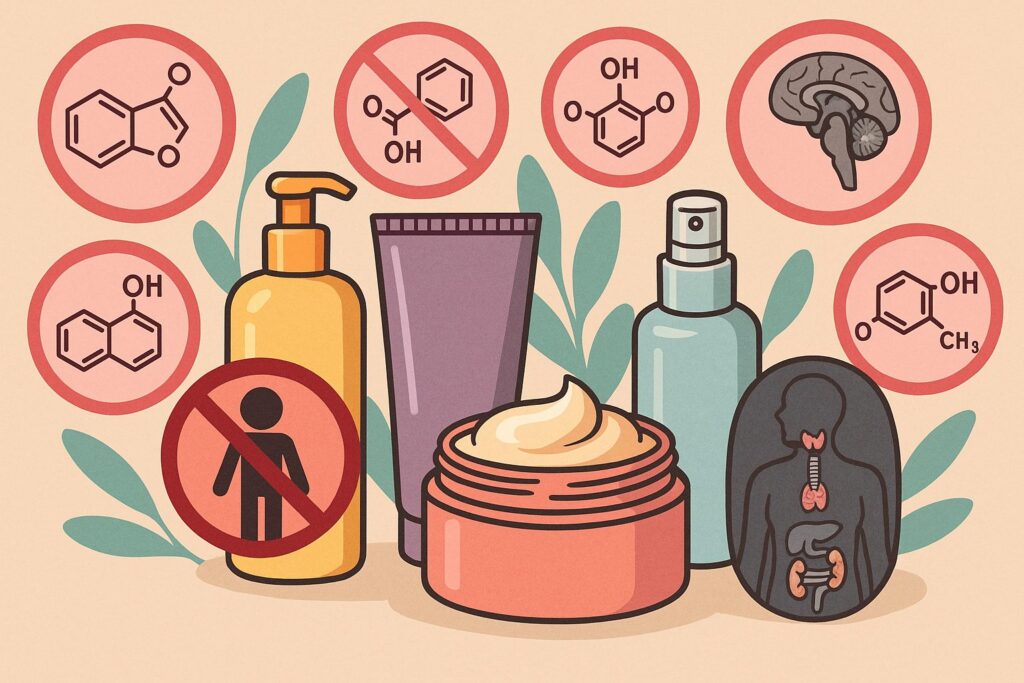
In the age of instant access to information, two apparent realities coexist: on the one hand, the availability of technical and regulated data on cosmetic ingredients; on the other, the proliferation of messages on networks warning - often in alarmist tones - about “intoxications” from petroleum derivatives or “endocrine disruptors” hidden in topical products. The result: confused consumers who are more vulnerable to extreme headlines than to evidence. This article explains in detail what the science and regulation say about petroleum jelly (petrolatum) y glycerin (glycerin), how to distinguish safe products, and whether highly purified derivatives can act as endocrine disruptors.
Information noise or real risk
Sensationalist posts often mix three elements: (a) the complex chemistry of oil, (b) the existence of contaminants of concern in unrefined forms (e.g. PAHs - polycyclic aromatic hydrocarbons) and (c) the word “endocrine disruptor”, which today mobilises immediate emotional detection. This mixture produces headlines that take systemic toxicity for granted without distinguishing between raw raw material y pharmaceutically refined cosmetic ingredient. That distinction is key: the documented risks are associated with unremoved impurities in industrial materials, not with petrolatum or glycerin. USP/EP grade used in regulated cosmetics.
What they are chemically and how they act on the skin
- Petrolatum (petroleum jelly)Semi-solid mixture of hydrocarbons which acts as a occlusive -creates a barrier that prevents transepidermal water evaporation- and is used for barrier repair, chapped lips, hands, heels and after procedures.
- Glycerin (glycerol/glycerine)polyhydric alcohol moisturiser; attracts and retains water in the epidermis, improves suppleness and the feeling of hydration.
Both have complementary functions: glycerine “attracts” water; petroleum jelly “seals” that hydration. Neither by itself introduces water or “activates” hormones in the skin (explanation and uses are widely described in technical literature and safety data sheets).
Can highly purified petrolatum be an endocrine disruptor?
Dare we say it: the available evidence does not identify pharmaceutical (refined) petrolatum and purified glycerine as endocrine disruptors. The key points:
- The real concern is impurities (e.g. PAHs). These compounds can have toxic profiles and some are associated with long-term adverse effects; therefore, regulation requires refining processes and contaminant limits for petrolatum for cosmetic and pharmaceutical use.
- Regulatory assessments: pharmaceutical authorities and monographs set specifications and tests for petrolatum and glycerin intended for use in cosmetics/pharmaceuticals; when met, the final substance has very high purities and impurity levels below thresholds of concern. In many regulated uses (baby products, periocular areas), is required pharmaceutical quality.
- Specific studies and modern methodologies: Recent research shows that simulants and combinations of bioassays plus chemical analysis are used to assess the potential release of compounds capable of interfering with hormone receptors. Some studys use glycerin or paraffinic simulants in integrated strategies to evaluate released compounds; this is part of a safety approach, not evidence that purified glycerin or petrolatum are EDCs in themselves.
- Glycerine: has a long history of pharmaceutical and food use; safety data sheets and reviews do not list it as an EDC and its toxicity is low when it is USP/EP grade.
In short: the hypothesis that petrolatum or highly refined glycerin are endocrine disruptors is not supported by current evidence.; The valid discussion is about the possibility of contamination in unrefined materials and on ensuring traceability and quality controls.
Why alarmist posts proliferate (and why they confuse)
- Extreme simplification: “Petroleum derivative = toxic” is a simple phrase that mobilises clicks; it does not distinguish degree of refining or regulation.
- Evidence session: some groups cite risks associated with PAHs without clarifying that these risks stem from petrolatum unrefined.
- Economics of care: claiming that “everything oil is disruptive” generates strong reactions; readers remember headlines, not nuance.
The effect: consumers make decisions based on fear rather than on verifiable criteria (INCI, certifications, regulatory registrations).

How to check for yourself if a product containing petrolatum or glycerin is safe
Focus on practical criteria, replicating best evidence/regulation:
- Check the INCI:
- Petrolatum should be listed as Petrolatum (or Petrolatum, USP / White Petrolatum).
- Glycerin should be listed as Glycerin.
The presence of the INCI name indicates the use of a refined cosmetic ingredient according to regulations (see monographs/registers).
- Search for pharmaceutical specifications or certifications: USP, EP/Ph. Eur., BP or indication “pharmaceutical grade” or “USP grade” are guarantees of purity. For infant/eye/post-procedure products, this indication is very relevant.
- Registration and marketif sold in the EU, it must be notified in CPNP; In the US, formulations and raw materials for OTCs often comply with monographs. Products marketed by recognised brands and sold in regulated channels are less likely to be contaminated.
- Watch out for packaging and originHandmade products without INCI labelling, without a clear batch or manufacturer, or with abnormal colouring/odour (yellow/brownish vaseline or hydrocarbon odour) should be considered suspect.
- See SDS / data sheet: a Safety Data Sheet (SDS) or manufacturer's data sheet usually states absence of known EDCs or impurity limits, e.g. modern glycerol SDSs state absence of relevant EDCs at significant concentrations for technical/cosmetic grade product.
Are there “safer” alternatives?
It depends on the objective:
- For occlusion (hydration seal): dimethicone (silicone) and shea butter are alternatives. If the concern is to avoid petroleum derivatives out of personal conviction, shea or natural waxes are options; but in strict terms of health safety, petrolatum USP is equivalent or better because of its inertness and proven profile.
- For wetting: hyaluronic acid, urea or other moisturisers often offer a greater “moisturising” effect without a greasy feel.
The choice should be based on function (occlusive vs. moisturising), skin tolerance and product regulation, not only on “oil-free” labels.
Practical recommendations
- Differentiate rawness of the raw material and the final ingredient. The risk is in impurities (PAHs) not in petrolatum/glycerin of cosmetic or pharmaceutical grade.
- Demand transparency in labellingINCI clear, certifications (USP/EP), data sheet and batch number.
- Be suspicious of products without INCI or sold in unregulated channels. Avoid absolute conclusions drawn from viral posts.
- For vulnerable patients (infants, damaged skin, periocular use, post-operative): prefer brands with pharmaceutical petrolatum/glycerin and pharmaceutical labelling.
The alarmist narrative about “all petroleum derivatives as endocrine disruptors” triumphs in networks because it is simple and emotional; however, simplifying chemistry and regulation in that way leads to ill-informed decisions. Evidence and regulatory practice distinguish between raw material contaminants y pharmaceutically refined cosmetic ingredients. When petrolatum and glycerin meet USP/EP specifications and come from controlled supply chains, there is no solid data to classify them as endocrine disruptors.. The more responsible approach for the consumer and the journalist is to demand traceability, clear labelling and regulatory backing rather than disseminating absolute messages that confuse rather than inform.