Gut health depends on a community of microorganisms whose activity is involved in digestion, immunity, metabolism and other processes related to healthy aging. Prebiotics, probiotics and postbiotics serve different functions, but they share the same biological stage. Knowing where to find them, how to promote their activity and when it makes sense to turn to supplements allows us to care for this ecosystem without falling into indiscriminate supplementation.
Gut health depends on biological activity far more complex than the digestion of food. Billions of microorganisms coexist in the gastrointestinal tract, participating in the transformation of nutrients, the production of vitamins and metabolites, the maintenance of the intestinal barrier and the regulation of various immune responses. Their activity also maintains constant communication with other organs and systems, including the brain.
In this environment, three concepts stand out in research on metabolic health, immunity and healthy aging: prebiotics, probiotics and postbiotics. Although their names are often used interchangeably in commercial language, they represent different elements of the same biological relationship.
Prebiotics provide food for certain microorganisms; probiotics are live microorganisms that can provide benefits when administered in adequate amounts; and postbiotics are preparations of inactivated microorganisms or their components that have demonstrated beneficial effects. A particularly interesting category can be added to these three groups: the metabolites that the microbiota produces when transforming food and that can exert effects on different functions of the body.
Prebiotics: the food our microorganisms need
Prebiotics are substances that certain microorganisms in the body use selectively and whose use produces a health benefit. This is the scientific definition agreed upon by the International Scientific Association for Probiotics and Prebiotics (ISAPP).
Most are fibers and carbohydrates that the human body cannot fully digest in the small intestine. They reach the colon, where certain bacteria use them as an energy substrate. During this fermentation process, different compounds are generated, including short-chain fatty acids, such as butyrate, propionate and acetate.
These metabolites have relevant functions. Butyrate is a fundamental energy source for colon cells and contributes to maintaining the intestinal barrier. Other short-chain fatty acids participate in metabolic regulation, immune signaling and various physiological processes.
Among the most studied prebiotics we find inulin, fructooligosaccharides (FOS), galactooligosaccharides (GOS) and certain resistant starches. Not all dietary fiber is necessarily prebiotic, since this consideration requires demonstrating selective use by microorganisms and a benefit for the body.
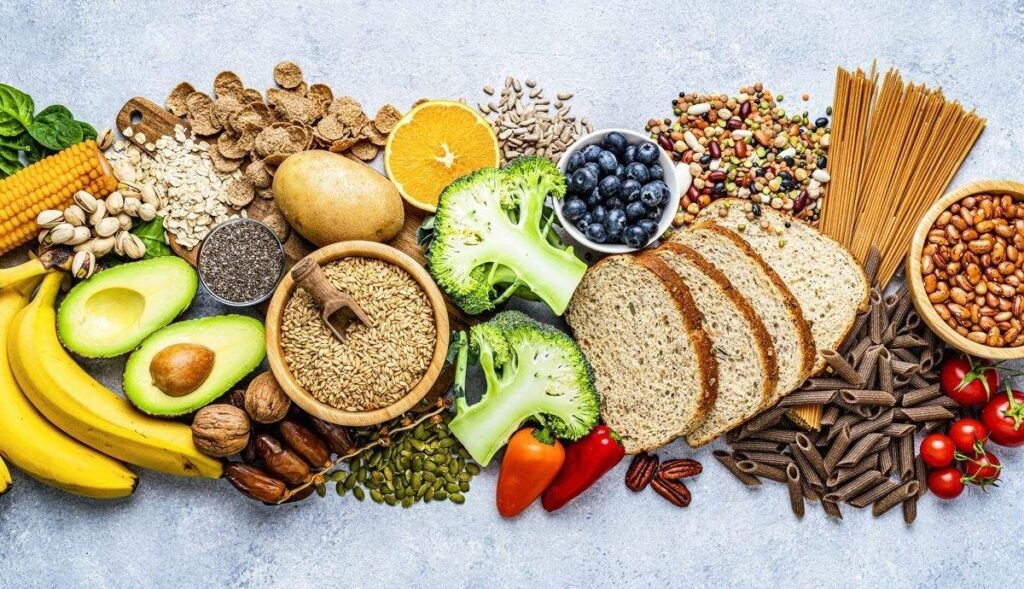
Their presence in everyday eating is quite broad. Chicory, garlic, onion, leek, asparagus, artichokes, legumes, oats and certain fruits contain fibers with prebiotic activity. Banana, especially when less ripe, also provides resistant starch. Potatoes and rice cooked and then cooled can generate a higher proportion of this type of starch.
Food also provides other plant compounds that can be transformed by the microbiota, such as certain polyphenols. Not all are prebiotics in the strict sense, although they can influence the activity and composition of microbial communities.
When food provides little variety of fibers, the availability of substrates for certain microbial groups decreases and the products they generate can change. This does not mean that all bacteria disappear, but rather that the environment in which they live and carry out their activity changes.
Diet is one of the most important factors, although not the only one. Antibiotics, gastrointestinal infections, certain medications, excessive alcohol consumption, sustained stress and major changes in eating habits can also modify the composition and activity of the microbiota.
Insufficient fiber intake may be accompanied by constipation, reduced bowel regularity and changes in stool consistency. It can also reduce the production of certain beneficial metabolites. However, none of these symptoms alone allows a diagnosis of prebiotic deficiency.
Among the fiber supplements used to increase the availability of fermentable substrates we find partially hydrolyzed guar gum, inulin and fructooligosaccharides. Their incorporation can be useful when food does not provide enough fiber, although the choice and amount must be adapted to digestive tolerance.
There is also an important particularity: increasing fiber intake abruptly can cause gas, abdominal bloating and discomfort, especially in people with irritable bowel syndrome, visceral hypersensitivity or certain digestive disorders. Inulin and FOS, for example, are fermentable and can worsen symptoms in people sensitive to FODMAPs.
The most reasonable strategy consists of progressively increasing the variety of vegetables, legumes, fruits and whole grains, adapting amounts to digestive tolerance. The goal is to provide different substrates to the microbial community, not to introduce large amounts of a single ingredient.
Probiotics: live microorganisms with specific functions
Unlike prebiotics, probiotics are live microorganisms that, when administered in adequate amounts, provide a health benefit to the host.
Among the best known are certain species of Lactobacillus, Bifidobacterium and some yeasts such as Saccharomyces boulardii. Each microorganism may have different properties, and within the same species there are strains with different characteristics and effects.
This differentiation is fundamental. It is not enough to find the word probiotic on a product label. To assess its usefulness, it is necessary to know the genus, species and specific strain, as well as the number of viable microorganisms and the results of studies conducted with that formulation.
Their mechanisms of action are diverse. Some strains compete with potentially harmful microorganisms for nutrients and intestinal adhesion sites. Others produce substances that hinder the growth of certain pathogens, intervene in bile acid metabolism or contribute to maintaining the intestinal barrier. There are also strains with specific immunomodulatory effects.
Probiotics can be incorporated through certain fermented foods. Yogurt with live cultures, kefir, some fermented milks and certain cheeses are common sources of live microorganisms. We also find microbial communities in fermented vegetables such as sauerkraut and kimchi, as well as in miso and other traditional preparations.
Fermented foods should not be confused with foods containing clinically proven probiotics. The composition of these products depends on the manufacturing process, preservation and subsequent treatment. Not all contain strains with proven clinical benefits, and some products pasteurized after fermentation no longer retain live microorganisms.

The activity of probiotics also depends on their ability to survive during storage and gastrointestinal transit. Heat, moisture, oxygen and certain storage conditions can reduce their viability. Once ingested, they must face gastric acidity, bile salts and other conditions of the digestive tract.
This explains the importance of formulation, packaging and storage instructions. It also explains why a high concentration of microorganisms declared at the time of manufacture does not guarantee that the same amount remains viable at the end of the product's shelf life.
Are our probiotics lost or depleted? There is no fixed reserve of beneficial bacteria that the body consumes and needs to replenish periodically. The microbiota is a dynamic community that reproduces, competes, exchanges substances and responds to environmental conditions. Some species may decrease, others increase and others temporarily disappear.
Antibiotics are one of the best-known external factors for their ability to alter this community. However, they do not act exclusively on harmful bacteria: they can also affect beneficial microorganisms. Intestinal infections, low-variety diets and certain diseases can produce additional alterations.
From a functional point of view, these modifications may be accompanied by diarrhea, constipation, abdominal bloating or changes in tolerance to certain foods. In some cases, alterations associated with specific intestinal diseases may also appear.
Supplementation can be useful in certain situations, such as some episodes of antibiotic-associated diarrhea or certain symptoms of irritable bowel syndrome. However, the results depend on the strain, the dose, the population studied and the therapeutic goal. There is no universal probiotic that improves all intestinal functions or that is necessary for everyone.
Postbiotics: inactivated microorganisms and their components
Postbiotics represent a different dimension of the relationship between microbiota and health. Their scientific interest is based on the fact that certain beneficial effects can be obtained without the need to administer live microorganisms.
According to the international consensus published in 2021 by ISAPP, a postbiotic is a preparation of inanimate microorganisms and/or their components that provides a health benefit to the host.
The definition has an important implication: not just any product derived from bacteria can be scientifically considered a postbiotic. It must contain inactivated microorganisms or components thereof and demonstrate a health benefit. Purified metabolites, on their own, do not meet this definition.
How do they work? Although the microorganisms are no longer alive, certain components of their cellular structures retain the ability to interact with the body. Among them we find cell wall fragments, proteins, polysaccharides and other microbial components.
These preparations can play a role in modulating the immune response, maintaining the epithelial barrier, interacting with the resident microbiota, and influencing various metabolic signaling mechanisms.
Among the examples investigated are preparations of inactivated Lactobacillus plantarum, Lacticaseibacillus paracasei, and Bifidobacterium, as well as certain preparations of pasteurized Akkermansia muciniphila. Research on the latter is particularly interesting due to its relationship with the intestinal barrier and metabolism, although the results do not yet allow universal clinical benefits to be attributed to it.
Its interest also lies in certain technological characteristics. Because they do not contain live microorganisms, some preparations show greater stability under conditions of storage, temperature, and humidity. This can facilitate their incorporation into foods and specific formulations. However, stability and activity depend on each preparation and the process used to obtain it.
We should not automatically consider any fermented, cooked, or pasteurized food a postbiotic. The designation requires proper characterization and evidence of benefit.
The ISAPP consensus precisely establishes this difference between inactivated microorganisms and the metabolites they produce. This distinction is important for understanding the next group of compounds.

Microbiota-derived metabolites: when bacteria transform food
There is another dimension of gut health that deserves special attention. Certain substances that exert relevant biological effects are not necessarily found in their active form in foods. They are produced by intestinal microorganisms from the compounds we ingest.
Although these metabolites are not postbiotics in the strict sense of the ISAPP scientific definition, they are closely related to microbiota activity and are of growing interest in research on longevity and metabolic health.
One of the most interesting examples is urolithin A, a compound that certain intestinal bacteria produce when transforming ellagitannins and ellagic acid present in foods such as pomegranate, walnuts, raspberries, and some other fruits.
Pomegranate is especially interesting due to its ellagitannin content. However, eating pomegranate or drinking its juice does not guarantee that the body will produce urolithin A. The conversion depends on the composition and metabolic capacity of each individual's microbiota.
A study published at European Journal of Clinical Nutrition in 2022 investigated this variability in 100 adults. After ingesting pomegranate juice, approximately 40% of participants showed a significant conversion of precursors into urolithin A. The results illustrate how two people who consume the same food can obtain different metabolic exposures.
Urolithin A is of interest for its possible involvement in mitophagy, the process by which cells eliminate damaged mitochondria and maintain the quality of their energy system. Its effects on muscle function and cellular aging are being investigated, although clinical evidence still needs to be expanded to establish its applications and long-term benefits.
Another important group is short-chain fatty acids, especially butyrate, propionate, and acetate. They are generated during the fermentation of fibers and resistant starches by intestinal bacteria. Butyrate is especially relevant for colon cells, while the other fatty acids participate in metabolic and immune signaling processes.
We also find equol, a metabolite that certain intestinal bacteria produce from daidzein, an isoflavone present in soy. Its interest is related to its estrogenic activity and to research on hormonal health, menopause, and bone metabolism. Not everyone has a microbiota capable of producing it, which explains individual differences in response to foods rich in isoflavones.
Another example is indole-3-propionic acid, a metabolite produced by certain intestinal bacteria from tryptophan. It is being investigated for its antioxidant activity and its possible relationship with intestinal barrier integrity and metabolic health.
These examples show that the microbiota does not merely break down food. It also transforms its components into molecules that can act on different tissues and physiological functions.
For this reason, current research is paying increasing attention to so-called metabotypes or individual metabolic profiles: each person's capacity to transform certain nutrients and plant compounds into specific metabolites.
In this context, it is worth distinguishing between consuming a precursor food, having a microbiota capable of transforming it, and reaching sufficient concentrations of the resulting metabolite. These are three distinct stages and they do not always occur in the same way in all people.
How do we know if we really have a deficiency?
This is probably the most important question and also one of the most complicated. Unlike what happens with certain vitamins or minerals, there is no conventional clinical test that allows a universal minimum concentration of prebiotics, probiotics, or postbiotics to be established that should be maintained in the body.
Nor is there a figure for beneficial bacteria that allows us to state that a person has a perfect microbiota or that they need to incorporate a certain amount of microorganisms.
In the case of prebiotics, the assessment begins by studying dietary habits. A diet with a low presence of fruits, vegetables, legumes and whole grains may indicate an insufficient intake of fiber and fermentable substrates. The dietary record, bowel frequency, stool consistency and food tolerance offer useful information to assess the situation.
With probiotics, the question is not about detecting a general deficiency, but rather identifying whether there is a functional alteration or a clinical condition for which a specific strain has demonstrated usefulness. The history of antibiotics, recent gastrointestinal infections, changes in bowel transit and the presence of persistent symptoms help guide the assessment.
As for postbiotics, there is also no clinical test that diagnoses a deficiency. Their use must respond to a specific indication and to the available evidence on the specific preparation.
The situation is somewhat different with certain metabolites derived from the microbiota. Some can be measured using specialized analytical techniques in blood, urine or stool, but universal clinical reference ranges that would allow establishing a need for supplementation in the general population do not yet exist.
In the case of urolithin A, for example, individual production capacity can be studied by identifying its metabolites in biological samples after administering foods rich in ellagitannins. However, this determination is not a routine test nor does it alone allow diagnosing a health problem.
Commercial gut microbiota analyses through genetic sequencing can provide information about the microbial composition of a stool sample. However, they still do not allow universally establishing which composition is optimal for each individual, nor diagnosing a supposed deficiency of probiotics or postbiotics.
A international consensus on microbiome testing published in 2025 warns of the limitations of its clinical application, the lack of sufficiently established reference ranges and the absence of evidence to recommend its routine use in healthy people.
This does not mean that microbiota analyses lack scientific value. They are relevant tools for research and may have specific clinical applications, but their interpretation requires medical context, appropriate methodology and a clinical question that justifies performing them.
When persistent symptoms exist, the assessment should begin by ruling out specific causes: intolerances, celiac disease, inflammatory bowel disease, transit alterations, infections or other digestive pathologies. Automatically attributing abdominal bloating, fatigue or intestinal alterations to dysbiosis can delay a correct diagnosis.
The microbiota and its effects on daily functions
The activity of intestinal microorganisms has implications that go beyond digestive regularity.
One of its most important functions is the fermentation of food components that our digestive system cannot use directly. This process yields metabolites that participate in maintaining the intestinal mucosa and in different metabolic mechanisms.
The intestinal barrier constitutes another fundamental piece. Its integrity allows absorbing nutrients and maintaining a functional separation between the intestinal contents and the internal environment. The interaction between microorganisms, epithelial cells and local immunity contributes to preserving this function.
The immune system also maintains a close relationship with the microbiota. Exposure to certain microorganisms and their components participates in the regulation of immune responses and in maintaining tolerance to substances present in the intestinal environment.
There is, in addition, bidirectional communication between the gut and the nervous system, known as the gut-brain axis. Microorganisms and their metabolites can intervene in certain nervous, immune and endocrine signaling pathways. This relationship is being investigated for its possible involvement in mood, stress response and various neurological functions. However, we still cannot attribute to a specific probiotic the general ability to improve emotional state or prevent neurodegenerative diseases.
Their relationship with energy metabolism, insulin sensitivity and the regulation of inflammatory processes is also of interest. Experimental results are relevant, although the influence of the microbiota on these functions depends on multiple factors and does not allow metabolic health to be reduced to the administration of supplements.
In short, a functional microbiota participates in everyday processes such as digestion, food tolerance, intestinal regulation and immune activity. Its alterations can accompany different health problems, but not all symptoms popularly attributed to dysbiosis have their origin in the gut.
How to incorporate them without overloading the body
The most reasonable strategy for maintaining a functional intestinal ecosystem begins with diet and not with the simultaneous consumption of multiple supplements.
The first measure consists of providing a diversity of substrates to the resident microorganisms. A diet that includes varied vegetables, fruits, legumes, nuts, seeds and whole grains offers different types of fiber and plant compounds that can be used by different microbial communities.
Variety is especially important. Always eating the same vegetables or resorting to a single fiber supplement does not provide the same diversity of substrates as a varied plant-based diet. Fiber should be increased gradually and accompanied by adequate hydration.
The second measure consists of incorporating fermented foods that are well tolerated. Natural yogurt with live cultures and kefir are common options. Other fermented foods can broaden dietary variety, although their microbial content and effects depend on their preparation and storage.
The third measure is to reserve probiotic supplements for situations in which there is a specific reason to use them. It is advisable to select products that identify the complete strains, indicate the guaranteed quantity of viable microorganisms up to the expiration date and provide studies on the formulation or the strains used. A high number of colony-forming units (CFU) does not automatically imply greater efficacy.
In the case of prebiotics in powder or capsules, their use may make sense when diet cannot cover certain needs or there is a specific indication. However, increasing the amount of inulin, FOS or GOS without assessing individual tolerance can cause precisely the symptoms one is trying to improve.
As for metabolites derived from the microbiota,the best initial approach consists of incorporating the foods that contain their precursors. Pomegranate, walnuts and red berries provide ellagitannins and other polyphenols; soy provides isoflavones; legumes, vegetables, oats and resistant starches offer substrates for the production of short-chain fatty acids.
Direct supplementation with certain metabolites, such as urolithin A, is also being investigated in clinical studies. However, the possibility of raising their concentrations through a supplement should not be confused with proof that everyone needs to take it or that its long-term benefits are established.
Postbiotics can represent an interesting alternative in certain applications, especially when the viability of the microorganisms is not necessary to obtain the desired effect. Their choice should be based on the characterization of the product and the corresponding clinical results, not solely on the commercial name.
It is also worth remembering that a healthy microbiota needs favorable conditions to maintain its activity. Sleep quality, regular physical activity, stress management, a sufficient and varied diet and the responsible use of antibiotics are part of that environment.
Immunocompromised people, those who are seriously ill or those with certain medical devices should consult a healthcare professional before using supplements with live microorganisms, since under certain circumstances there are risks of infection.
A question of balance, not quantity
The market for products aimed at improving the microbiota has grown rapidly and offers increasingly sophisticated combinations of fibers, live microorganisms, postbiotic preparations and metabolites. However, more ingredients, more strains or more bacterial units do not necessarily mean better results.
The microbiota does not function as a tank that we must fill periodically. It is an ecosystem that adapts to diet, medications, age, health status and environmental conditions. Its functioning depends on the relationships between its members and the metabolic products they generate.
For this reason, the best preventive strategy consists of maintaining a favorable intestinal environment, providing a diversity of foods, avoiding unnecessary interventions, and turning to specific products when there is an indication supported by evidence.