Rest and physical recovery are essential components of an active life. Learning to manage fatigue, relieve muscle tension and respect the body's rhythms allows you to maintain healthy and sustainable physical activity.
Running, training, playing sports or simply maintaining a demanding physical schedule means subjecting the body to an effort that needs compensation. Muscle activity, energy expenditure and the load borne by the joints are part of a physiological adaptation process. For the body to respond to new demands, it also needs to replenish what it has consumed and repair the tissues subjected to tension.
Recovery occupies a central place in exercise physiology. During training, adaptations occur that improve strength, endurance and functional capacity, but much of these processes take place during the periods after exertion. The quality of rest therefore influences the evolution of physical condition and the ability to maintain regular sports practice.
However, there is a fairly widespread tendency to measure results by the intensity, duration or frequency of exercise. Attention is paid to the kilometres covered, the weights lifted or the sessions completed, while accumulated fatigue is usually interpreted as an inevitable consequence of an active life. This view leaves out an important part of physical care: knowing when the body needs to reduce demands.
Fatigue also needs attention
Fatigue does not respond to a single cause. It may be related to the depletion of energy reserves, the accumulation of muscle load, altered fluid and electrolyte balance or a lack of recovery between sessions. Factors such as sleep quality, nutrition, stress and general health status also play a role.
Insufficient recovery can translate into loss of performance, a persistent feeling of exhaustion, muscle discomfort and greater difficulty in tackling new sessions of physical activity. In people who train frequently, managing exercise load properly is especially important to prevent fatigue from accumulating.
Night-time rest, a balanced diet, hydration and planning training sessions are the fundamental pillars of this process. They can be complemented by practices aimed at muscle relaxation and physical wellbeing, which help create spaces for disconnection after periods of intense activity.
Water as a resource for relaxation and muscle wellbeing
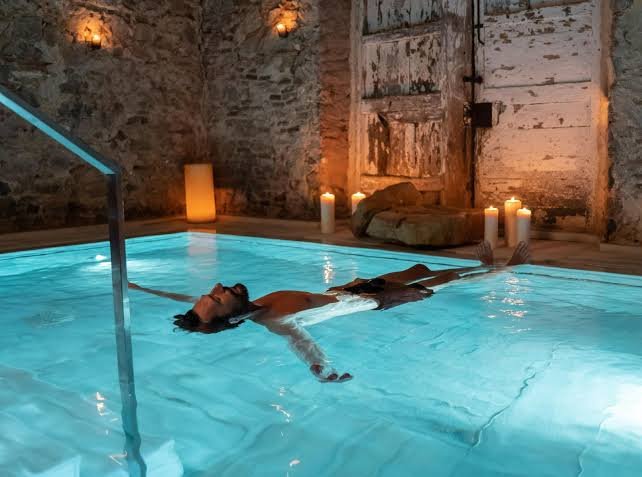
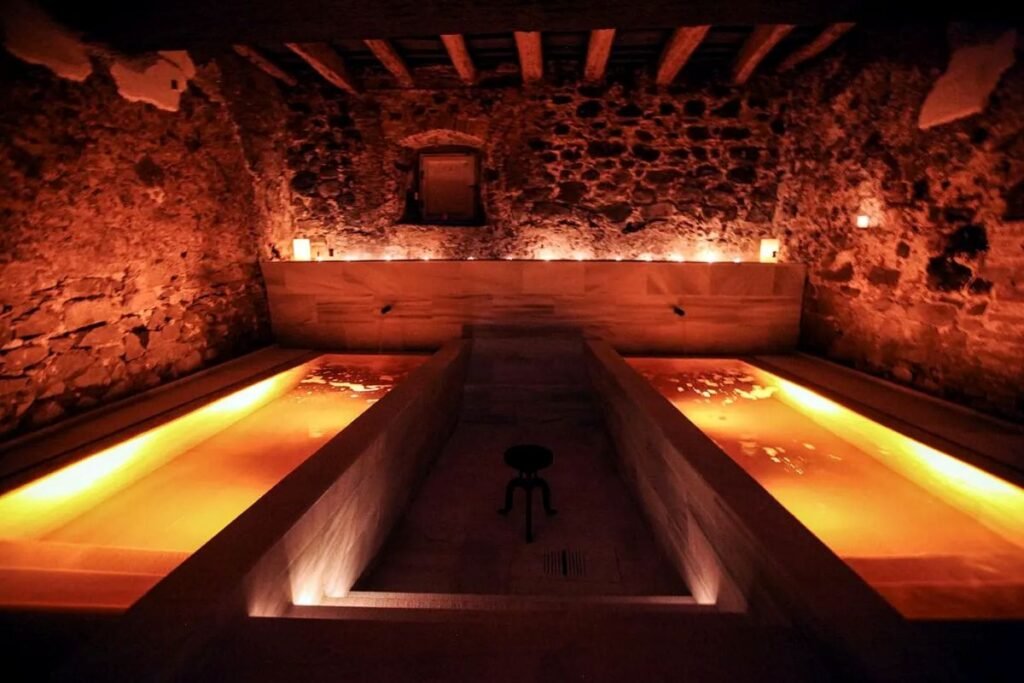
Water has historically accompanied various recovery and body care practices. Immersion in hot water promotes relaxation and can help temporarily relieve the sensation of muscle stiffness. Contact with water, floating and the reduction of external stimuli also facilitate an experience of physical and mental rest.
Thermal circuits that combine different temperatures, steam baths and floating spaces offer an alternative for those who wish to incorporate moments of relaxation into their routines. It is worth distinguishing, however, between their benefits on the perception of wellbeing and the physiological recovery of muscle: thermal baths do not replace rest, nutrition or hydration, nor do they guarantee faster muscle repair.
Their value also lies in providing a specific environment to stop activity, reduce tension and dedicate time to self-care. A dimension that becomes especially relevant in people who maintain demanding paces of life and find it difficult to incorporate pauses into their daily lives.
AIRE Ancient Baths: wellbeing through water rituals
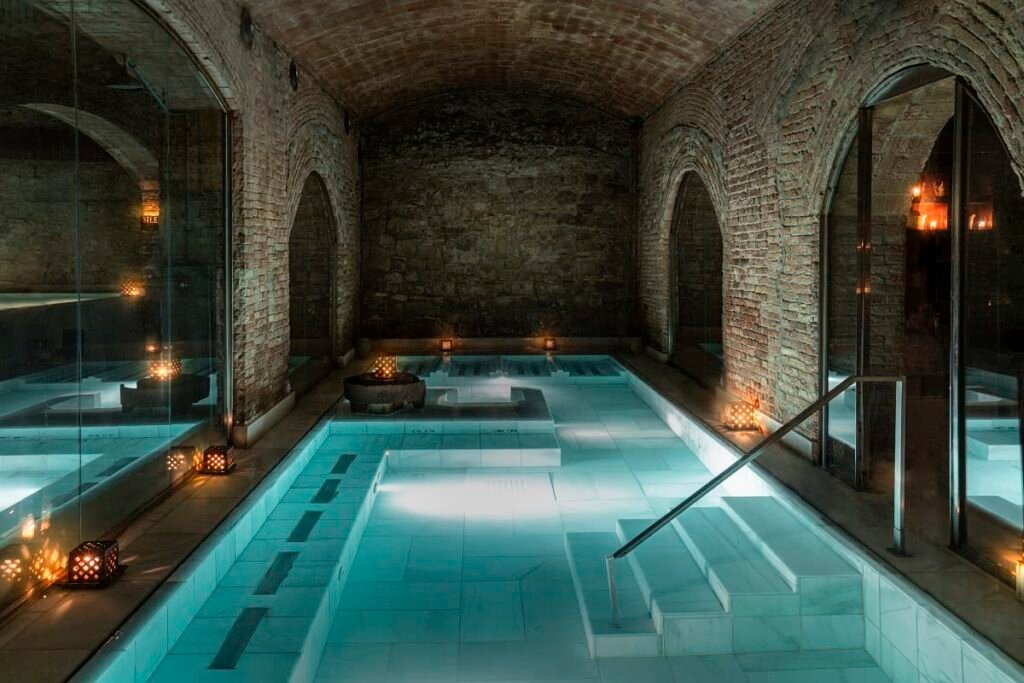
The proposal from AIRE Ancient Baths starts precisely from water as the central element of a relaxation experience. The company, founded in Seville in 2004, has developed an international concept based on thermal circuits, temperature contrasts, floating, aromatherapy and body treatments in restored historic buildings.
Its centres, present in various cities in Spain, Europe and the United States, offer experiences designed to disconnect from the daily pace and dedicate time to physical and mental wellbeing.
Among its offerings is Ultimate Baths, a 90-minute experience that combines a journey through different thermal spaces with a body hydration ritual. The circuit includes the Caldarium, with hot water; the Frigidarium, with cold water; the Tepidarium, with a temperate temperature; the thousand-jet bath; the steam bath with aromatherapy and the Flotarium, with salt water.
The alternation of temperatures, immersion and floating allow you to experience different bodily sensations in an environment conceived for relaxation. The hydration ritual completes the experience with a treatment aimed at skin care.
These offerings can be integrated as a complement to a wellness routine, especially after physically demanding days. The choice of treatments and exposure to heat or cold should, in any case, be adapted to individual conditions and professional recommendations where health problems exist.
An active life needs balance
Staying in motion is one of the most important decisions for preserving long-term health. Regular physical activity contributes to cardiovascular, metabolic and musculoskeletal health, as well as promoting psychological wellbeing. To sustain its benefits, it is also necessary to learn to manage effort.
Recovery means listening to the body's signals, respecting rest periods and understanding that physical activity must adapt to each person's capacity. Performance does not depend exclusively on how much we demand of the body, but also on how we organize recovery periods.
Incorporating moments of pause, rest and relaxation into the routine allows us to build a more balanced relationship with exercise and with our own body. In a culture that tends to reward constant activity, knowing how to stop deserves the same attention as learning to train.
Physical wellness is not measured solely by our ability to exert effort, but also by our ability to recover and return to activity in good condition.