
For decades, cold has been a mainstay of sports recovery. From ice baths to cryotherapy, its use is widely established in professional sport to reduce inflammation and speed muscle recovery.
However, this practice is no longer reserved exclusively for elite athletes. Whether competing at the highest level or for anyone finishing a demanding workout, the need for rest, repair and preparation is universal. As the science of recovery advances, so does the need for rest, repair and preparation. the way in which cold is applied evolvesLeaving behind strictly clinical methods to give way to more integrative experiences, which take care of both the body and the nervous system.
In this new paradigm, the snow emerges as an innovative alternative, transforming the “cool down” moment into an accessible, sensory and deeply restorative experience.
Cold as an experience, not a shock
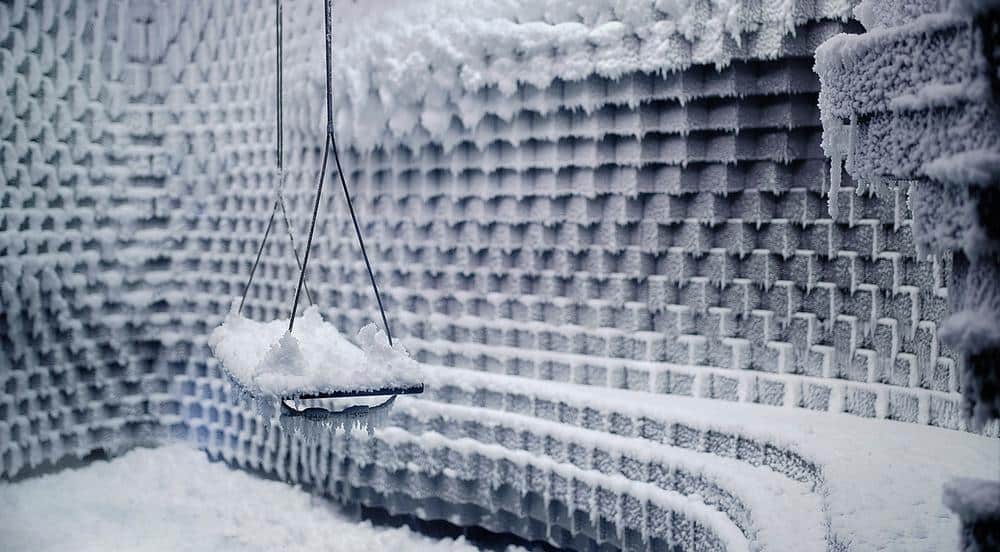
Unlike the blunt impact of ice baths or the aseptic sensation of cryotherapy chambers, snow-based recovery - such as that performed in the so-called "snow baths" - is a more effective way of recovery. snowrooms- proposes a calm, enveloping and natural environment.
“The snowroom is something different,” explains Dr Stephen Lewis, a doctor at Chelsea Football Club. “It combines the physiological effects of the cold with a more holistic experience; it has a beautiful, calming aesthetic.
These spaces of indoor snow make the cold tactile, visual and progressive.. Instead of overwhelming the body, they facilitate a gradual lowering of body temperature, respecting the rhythms of the nervous system and favouring a smooth transition to rest and physiological recalibration.
How snow helps physical recovery
After intense exertion, the body experiences muscle micro-injuries, transient inflammation and accumulation of metabolic waste. These are normal adaptive processes, but they are also responsible for fatigue, muscle soreness and a feeling of heaviness.
Exposure to cold helps to modulate these processes by reducing the temperature of the tissues and regulate blood flow. It also contributes to preserving neuromuscular function and quality of movement after exercise.
A report published in 2023 by the University of Trento, in collaboration with the CERISM research centre of the University of Verona, reviewed 13 systematic reviews and 18 studies from the last decade. Their conclusions were clear: cryotherapy is more effective for post-exercise recovery than passive rest, especially after competitive or intermittent exertion.
Although whole body cryotherapy often shows better results than cold water immersion., However, comparative studies with passive cooling methods such as snow are still limited. This highlights both the sound biological basis of cooling and the need for more user-friendly and sustainable methods.
Snow stands out precisely because of its uniform and non-aggressive cooling. Instead of provoking a thermal shock, it introduces the cold gradually, facilitating its integration into regular recovery routines.
“Snow helps preserve muscle function by limiting inflammation and reducing creatine kinase levels,” says Lewis. “Athletes feel less sore, less fatigued and more ready to perform again.
Mental recovery and social dimension
In any high-performance environment - and also in everyday life - recovery is not only physical. Calming the nervous system, improving mood and promoting restful sleep are key elements of holistic wellness.
Exposure to cold stimulates the release of dopamine and endorphins, contributes to emotional balance, reduces stress and improves sleep quality. All this is essential both for preparing for a competition and for facing everyday life with greater energy and mental clarity.
The snowrooms provide a differential value here. They are immersive, non-isolating spaces that gently activate the senses and promote a parasympathetic, restorative state. Moreover, they function as social environments: unlike the solitude of cryotherapy chambers or the discomfort of ice baths, snow invites us to share the moment, converse and create collective rituals that reinforce motivation and cohesion.
“The mental aspect cannot be underestimated,” says Lewis. “The cold improves sleep, supports emotional recovery and strengthens team spirit.”.
From high performance to everyday well-being
The biological effects of cold are universal. Whether you are a professional footballer or someone training after work, the body responds to the same physiological principles.
The report from the universities of Trento and Verona confirms that cold recovery is particularly beneficial in high-intensity and intermittent sports, although responses vary according to the activity and technique used. This reinforces the importance of personalised strategies focused on the user experience.
In this context, accessibility and comfort are crucial. Snow recovery transforms the cold from something clinical and extreme into a sensory, inclusive and pleasant experience.
As wellness becomes more and more integrated into sport and active living, cold is being redefined. It is no longer just about recovering faster, but about creating spaces where the body heals, the mind resets and people - alone or in groups - reconnect with themselves, ready for whatever comes next.