Mental health has established itself as one of the major health, social and economic challenges of the 21st century. The United Nations has officially recognised its priority status at the global level., The report stresses the urgency of strengthening prevention, psychological care and community models of care. This positioning responds to a blunt reality: mental disorders currently affect a large number of people. close to 1 billion people worldwide, According to international estimates, its prevalence continues to rise.
Mental health problems, including anxiety, depression and psychotic disorders, not only generate high levels of individual suffering, but also interact in complex ways with other non-communicable diseases. Scientific evidence shows that people with mental disorders have an increased risk of developing cardiovascular, metabolic and neurological pathologies, as well as an increased risk of developing other non-communicable diseases. significant reduction in healthy life expectancy.
The Political Declaration adopted by the UN General Assembly in September 2025 sets out a new global roadmap in which mental health is explicitly recognised as a noncommunicable disease, on a par with cancer, diabetes or chronic respiratory diseases. This approach is aligned with the Sustainable Development Goals and with the commitment to reduce by one 33 % premature mortality from non-communicable diseases by 2030.
From an epidemiological perspective, the impact is remarkable: non-communicable diseases are causing more than 43 million deaths annually, of which 18 million occur prematurely, before the age of 70. Within this context, mental disorders contribute indirectly but significantly to mortality and disability. Suicide, for example, ranks as the most common cause of death and disability. third leading cause of death among 15-29 year olds, This reinforces the need for evidence-based preventive strategies.
The paper also highlights the socio-economic impact of mental health. Mental disorders and chronic diseases limit human capital development, reduce productivity and perpetuate cycles of inequality. These effects disproportionately affect vulnerable populations, including children, adolescents, older people and communities exposed to poverty, conflict or climate shocks.
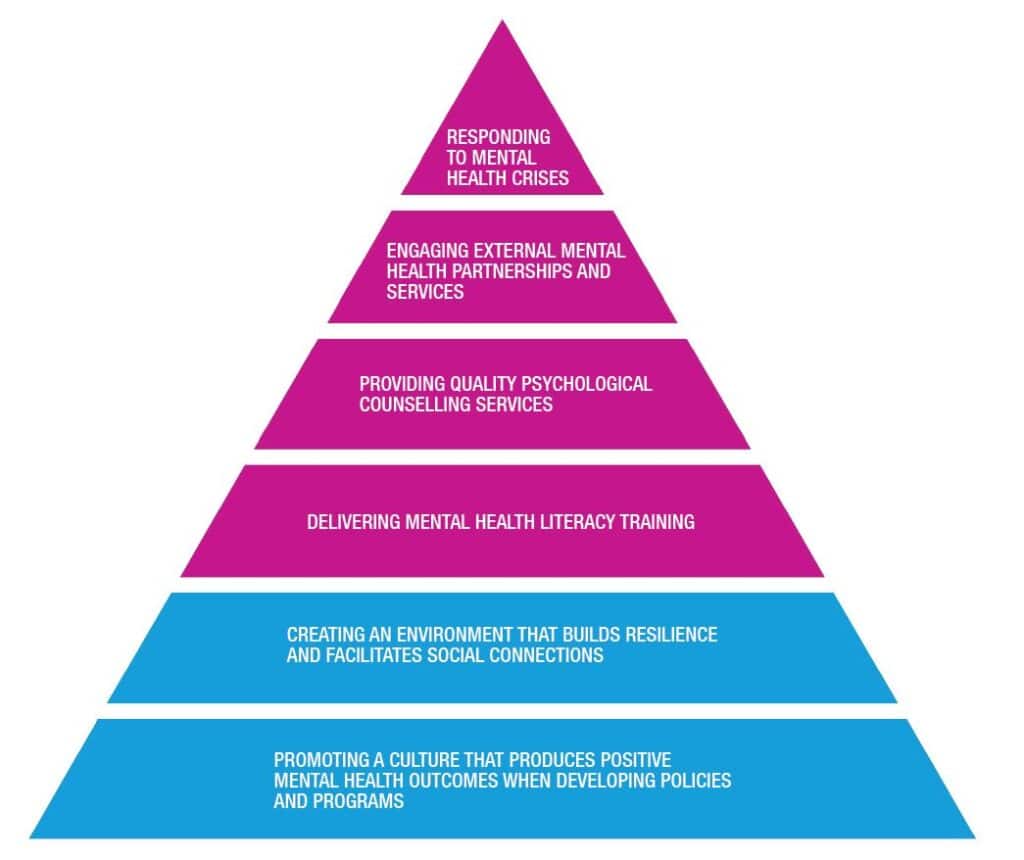
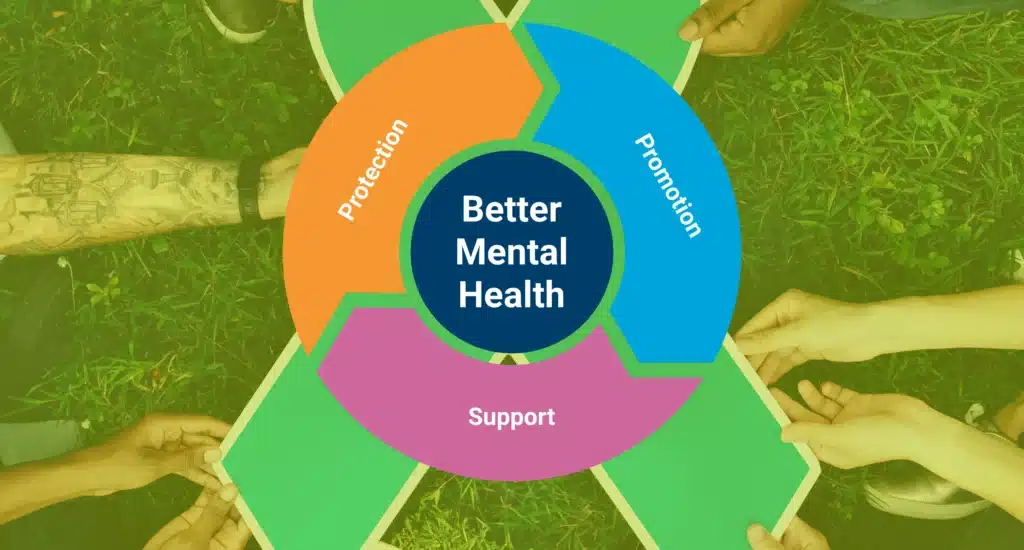
A central focus of the Declaration is the paradigm shift towards prevention and promotion of psychological well-being. Evidence shows that intervening on social determinants, lifestyles, community cohesion and stigma reduction can significantly reduce the incidence and severity of mental disorders. Factors such as social isolation, loneliness, harmful alcohol use, problematic use of digital environments and chronic stress are identified as key modifiable risks.
In this context, primary care emerges as a strategic pillar. The integration of mental health into community services improves early detection, follow-up and continuity of care. The United Nations establishes as an objective that at least 150 million additional people have access to mental health services by 2030, strengthening community-based and person-centred models of psychological care.
The Declaration also recognises the need to increase investment in specialised human resources, improve training in psychological competencies of health workers and strengthen epidemiological information and surveillance systems. The collection of reliable and comparable data is considered essential to assess the impact of interventions and to guide public policies based on scientific evidence.
From a wellness and holistic health perspective, this global recognition reinforces a clear conclusion: mental health is a central determinant of longevity, quality of life and sustainable wellbeing. Integrating science, prevention and the community approach not only improves health indicators, but also contributes to building more resilient, balanced and aware societies.