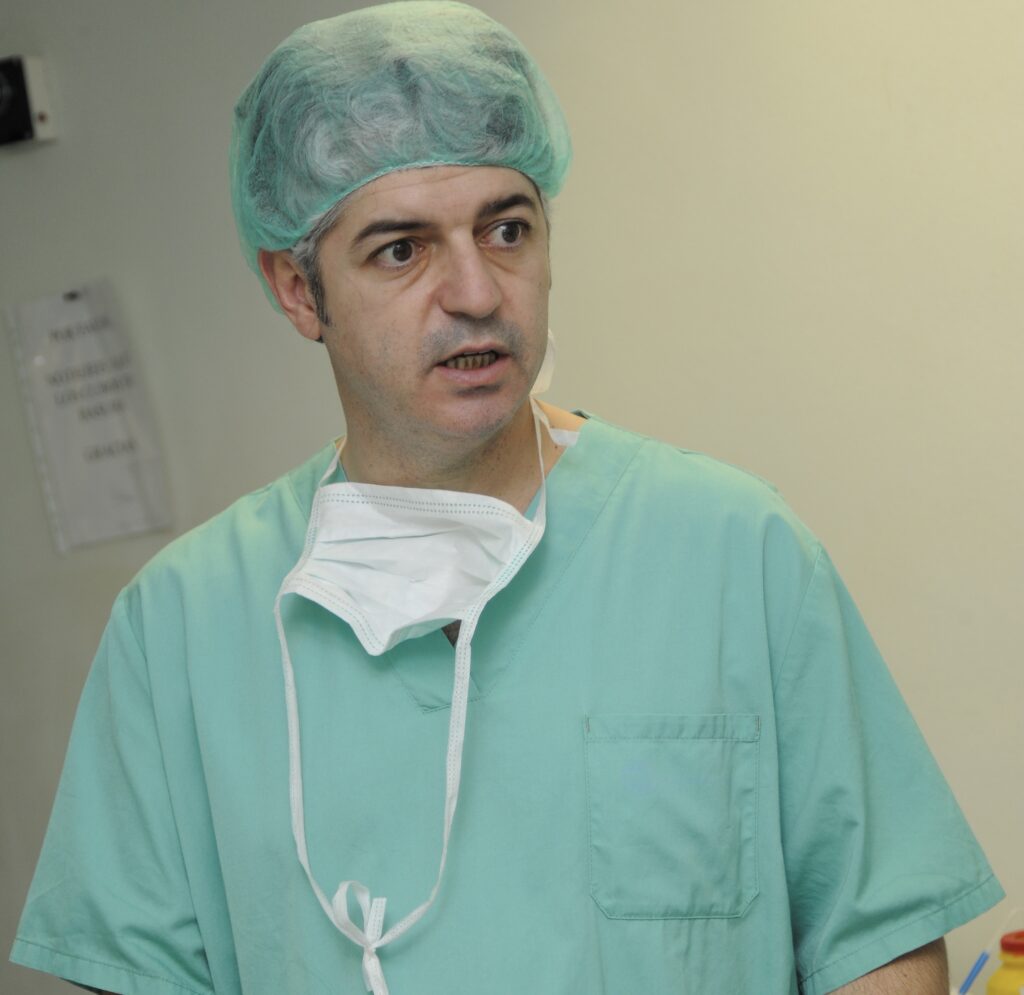
Every 31 March is commemorated on the World Colon Cancer Day, The aim is to raise awareness of one of the most common tumours and, at the same time, one of the most preventable if detected early. According to digestive surgeon Alfredo Alonso Poza, The key is clear: “Survival reaches 90% when diagnosis is early”.”.
Colorectal cancer is currently one of the most common cancers in both men and women. In the case of men, it ranks second in mortality after lung cancer, while in women it is in third place, behind lung and breast cancer. Forecasts also suggest that in 2026 will be the most diagnosed tumour in Spain, with more than 44,000 new cases.
One of the factors that could explain the increase in incidence in Spain and other Western countries is the transformation of lifestyle and, especially, of diet. The progressive abandonment of the Mediterranean diet - traditionally rich in fibre, fruit, vegetables and legumes - and the increased consumption of ultra-processed or fast food are associated with a higher risk of developing this type of cancer.
From the point of view of health and well-being, this is particularly relevant. Scientific evidence has consistently shown that dietary patterns rich in fibre help improve intestinal transit, support the microbiota and reduce chronic inflammatory processes. that may contribute to tumour development. This is in addition to other well-established protective factors: regular physical activity, maintaining a healthy weight and avoiding a sedentary lifestyle.
Screening: the tool that changes the prognosis
One of the main messages from specialists is that colorectal cancer can be prevented or detected in its early stages through screening programmes. In the Community of Madrid, for example, there is the Prevecolon programme, which invites people over the age of 50 to take a faecal occult blood test.
This test is simple and non-invasive, although it is indicative. The presence of occult blood may be due to various digestive pathologies, not necessarily to cancer. In addition, polyps - precursor lesions of a tumour - do not always bleed.
For this reason, the expert insists that the most effective test for detecting and preventing colorectal cancer is colonoscopy. From the age of 50 onwards, it is recommended as a preventive measure. If no polyps are detected, the control can be repeated approximately every five years; if they appear, the follow-up is usually closer depending on their type and characteristics.
The reason is clear from a clinical point of view: most colorectal cancers develop from polyps which, over time, can develop into malignant tumours. Colonoscopy makes it possible to detect and remove them before they progress.
The prevention schedule changes when there is a hereditary risk. If there are first-degree relatives with colon cancer, screening should be brought forward to age 40, preferably by colonoscopy.
In more specific situations, such as familial adenomatous polyposis or Lynch syndrome, the risk of developing colorectal cancer is significantly higher and can appear at an early age, even before the age of 35. In these cases, specialised medical follow-up and early surveillance are essential to reduce the impact of the disease.
Although often grouped under the term colorectal cancer, there are relevant clinical differences between colon cancer and rectal cancer. The latter can be more complex therapeutically and, in some cases, require more aggressive surgery.
When the tumour is located in the rectum, it may be necessary to perform an intervention that involves the creation of a stoma, an opening in the abdomen through which faeces are eliminated via an external bag. Such procedures have a significant physical and emotional impact on the patient's quality of life, which further reinforces the importance of prevention and early diagnosis.
Prevention starts with lifestyle
From the integrative health and wellness perspective, colorectal cancer also invites us to reflect on our modern lifestyle. Specialists highlight several preventive measures that can make a difference:
- Maintain a diet rich in fibre, fruit and vegetables.
- Prioritise fresh food over ultra-processed food.
- Regular physical exercise.
- Avoid constipation and promote healthy intestinal transit.
- Participate in screening programmes from the recommended age.
The combination of healthy habits and early detection is currently the most effective strategy to reduce the incidence and mortality of this tumour.
At a time when longevity and prevention are at the centre of the public health conversation, the message from specialists is clear: colon cancer is one of the tumours where early action can radically change the prognosis. And, in many cases, even prevent it from ever developing.