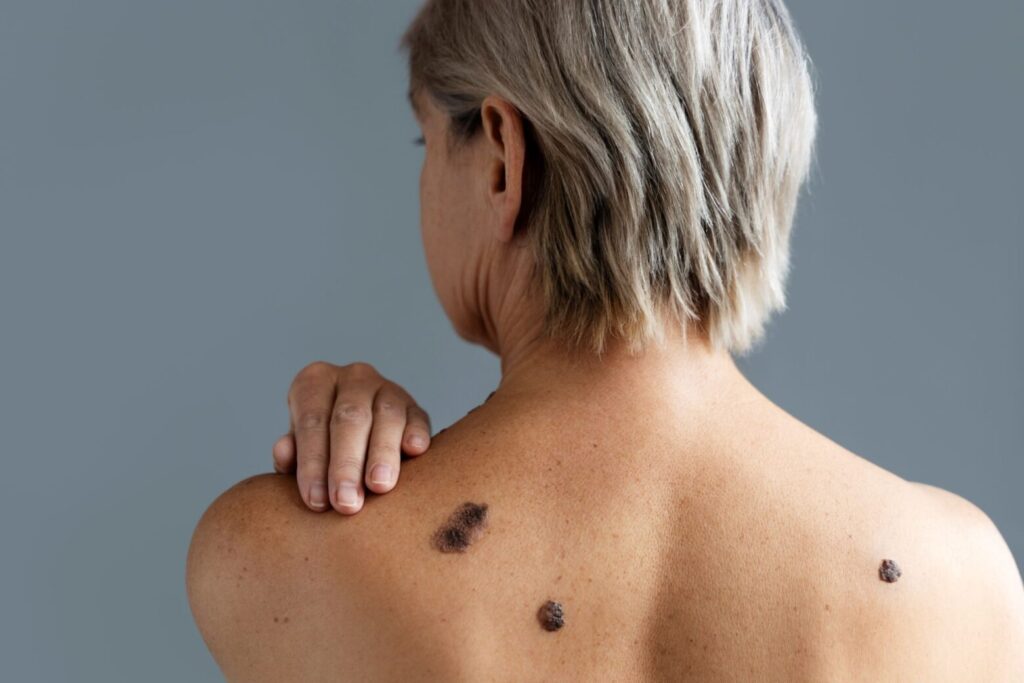
May 23rd is the Day World Melanoma and it once again focuses attention on one of the major current challenges in dermatology: the steady increase in one of the most aggressive skin cancers despite decades of prevention campaigns, greater access to sunscreens and a seemingly much more aware population.
The conversation surrounding the sun is also experiencing an increasingly visible contradiction. While dermatologists warn about the cumulative damage of ultraviolet radiation, the wellness world and numerous health experts simultaneously emphasize the importance of sunlight for vitamin D synthesis, hormone regulation, circadian rhythms, mood, and multiple metabolic functions.
The question comes up constantly:Is the sun an enemy or an ally??
The real answer lies away from extreme positions. Melanoma originates in melanocytes, the cells responsible for producing melanin, and although it is not the most common type of skin cancer, it is included among the most dangerous due to their ability to grow in depth and spread to other organs if not detected early.
Specialists currently distinguish several major forms of melanoma: superficial spreading melanoma, the most common; nodular melanoma, generally more aggressive; lentigo maligna melanoma and acral lentiginous melanoma, which can appear in less visible areas such as the soles of the feet, palms or under the nails.
Why are cases increasing despite prevention efforts?
A large proportion of melanomas diagnosed today They reflect exposure habits accumulated over decades.. Current generations grew up in the midst of a culture of intense tanning, UVA booths, and repeated sunburns.
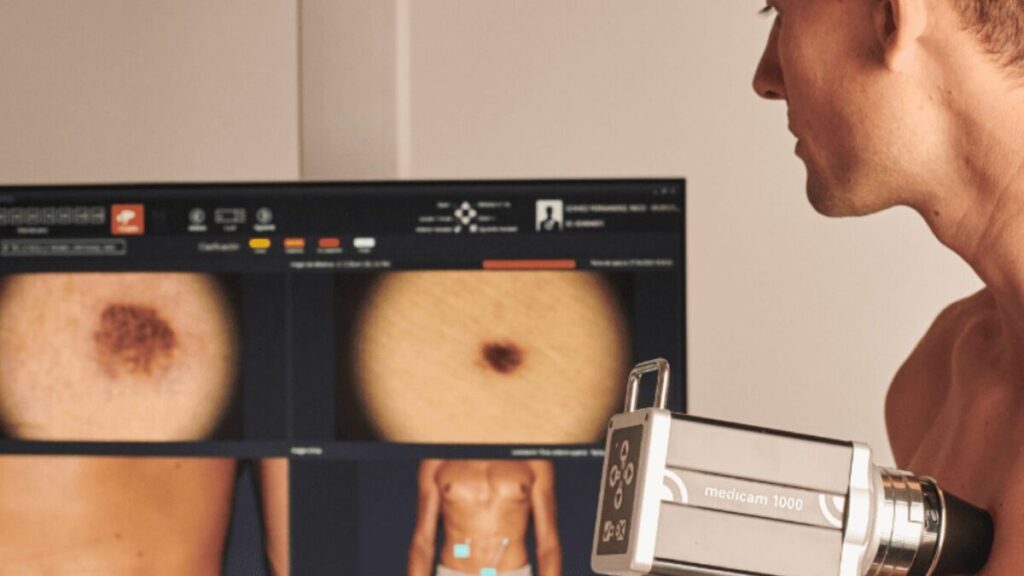
Technological improvements also influence the figures. Modern digital dermatoscopy and body mapping systems allow for the detection of extremely small lesions that went unnoticed years ago.
Longer life expectancy adds another important factor: The older the organism gets, the more cellular mutations accumulate.
Added to this is an interesting contemporary paradox. Many people use sunscreen, but simultaneously, travel to tropical destinations, outdoor activities, outdoor sports, and prolonged recreational sun exposure are on the rise.
The incorrect use of sun protection also remains extremely common. Insufficient amounts, inadequate reapplication, or exclusive use at the beach and during the summer leave ample room for cumulative exposure.
UVA radiation represents another undervalued element. It penetrates deeper into the skin, passes through crystals, and participates in photoaging, oxidative stress, and DNA damage even without causing a visible burn.
Some researchers are also analyzing other possible factors involved: genetic predisposition, immunological alterations, environmental pollution, chronic inflammation, metabolic deterioration, and systemic oxidative stress.
The sun also has essential biological functions
The other side of the debate is equally important. Moderate sun exposure plays a role in the synthesis of vitamin D, which is essential for bone health, immunity, muscle function, and numerous metabolic processes.
Natural light also influences serotonin, melatonin, energy, sleep, and circadian rhythms. The contemporary indoor lifestyle—screens, offices, and excessive artificial lighting—is also a growing concern for many preventive health experts.
The problem probably lies not in the sun itself, but in decades of intense, cumulative, and intermittent overexposure.
How is melanoma diagnosed?
Early diagnosis remains the factor that most significantly alters the prognosis. Dermatologists currently use various tools to evaluate suspicious lesions:
- Dermatological clinical examination
- Advanced digital dermatoscopy
- Full body photography or “body mapping”
- Digital longitudinal tracking of moles
- Artificial intelligence applied to dermatological screening
- Biopsy of suspicious lesions
Dermatoscopy allows the analysis of structures invisible to the naked eye and the detection of very early microscopic changes.
Full body mapping systems are especially important for people with numerous moles or a family history of them, as they allow for the comparison of images over time and the detection of small variations.
Artificial intelligence is also beginning to be incorporated as a diagnostic support tool, especially to prioritize suspicious lesions and optimize the monitoring of at-risk patients.
Experts continue to recommend the well-known ABCDE rule for detecting possible melanomas:
- A — Asymmetry
- B — Irregular edges
- C — Heterogeneous color
- D — Striking diameter
- E — Evolution or progressive changes
It is also important to pay attention to:
- itching
- bleeding
- quick changes
- new injuries in adulthood
- moles “different” from the rest
The most neglected areas are often precisely the most problematic: back, scalp, soles of the feet and nails.
How often should you check your skin?
The frequency depends on each person's risk profile, although many dermatologists recommend:
- Annual dermatological check-up as general prevention
- More frequent check-ups in people with:
- very fair skin
- family history
- numerous moles
- previous severe sunburns
- personal history of melanoma
- high cumulative sun exposure
Monthly self-examination in front of the mirror also helps to identify progressive changes.
What do experts recommend to prevent it?
Real prevention goes far beyond using sunscreen a few days a year. Experts insist on:
- broad-spectrum daily photoprotection
- correct reapplication
- Avoid intense exposure during peak hours
- sunglasses and protective clothing
- cap or hat
- avoid repeated sunburns
- abandon the idea of tanning as a symbol of health.
Moderate and reasonable sun exposure can be part of a healthy lifestyle, especially for circadian regulation and vitamin D, but the key remains avoiding excessive accumulation of ultraviolet damage.
Melanoma reflects one of the great contradictions of modern health: there is more information than ever before, yet changing deeply ingrained cultural habits remains much more difficult than accessing knowledge.
*Royalty-free photos, provided for distribution.