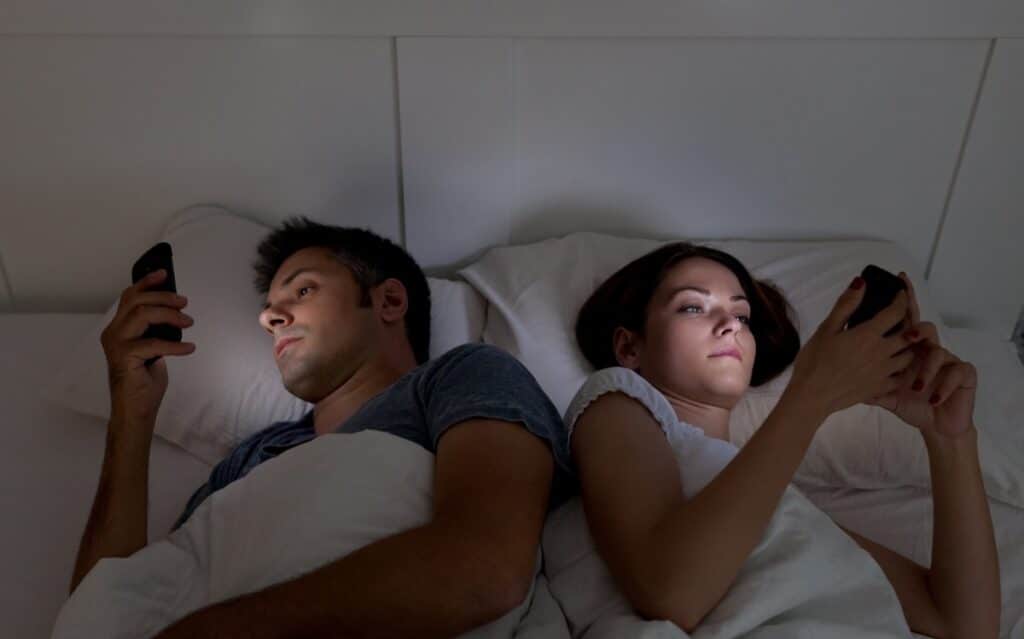
The bedroom continues to be one of the most intimate spaces for Spanish couples, but it is increasingly sharing the limelight with a constant guest: screens. This is revealed by the study Privacy and Screens, The Pikolin survey of 500 people between the ages of 25 and 65 who live together as a couple was launched by Pikolin.
According to the data, almost 70% of couples use digital devices in bed before going to sleep and, in six out of ten cases, the last light to be switched off is not the bedroom light, but the mobile phone light. A seemingly innocent gesture that is, however, redefining night-time rituals and the way we relate to each other at the end of the day.
Far from being a one-off habit, the use of mobile phones in bed has become part of the daily routine with clear emotional consequences: almost 40% of Spaniards feel that their partner prefers the phone to sharing that moment of disconnection together, a perception that reaches 45% of young couples, between 25 and 40 years of age.
The bedroom, from emotional refuge to fragmented space
The study highlights a significant paradox: while the bedroom is still perceived as a key place for connection and intimacy, screens are reducing real presence, conversation and contact. One in three people admit that they do not usually talk to their partner before going to sleep, while almost half of them check their mobile phone while already in bed with their partner next to them.
This silent disconnection has a profound emotional impact: 46% report feeling invisible when their partner uses their mobile phone in bed, 37% experience guilt for spending more time on the screen than on the relationship, and one in three people fall asleep feeling ignored.
“Intimacy doesn't disappear all at once, it erodes little by little when we are no longer present,” he explains. Anna Vicen Renner, The bed is one of the last spaces without outside interference. “The bed is one of the last spaces without external interference. When screens occupy it, emotional connection suffers and, over time, so does desire”.
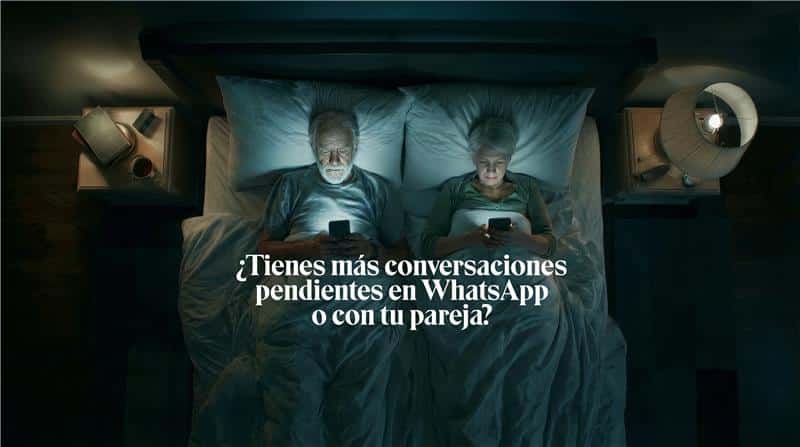
Screens, conflict and emotional exhaustion
The use of mobile phones in the bedroom not only affects the bond, but also creates friction in cohabitation. 43% of those surveyed admit to having had an argument with their partner for this reason, a percentage that rises to 61% among younger couples. In addition, almost half consider screens to be a direct barrier to intimacy and sex life.
“We are normalising that everyone retreats to their own screen at the very time of the day that should be shared,” adds Vicen Renner. “This leads to frustration, emotional distance and a disconnection that many couples don't know how to manage.
Consciousness without change: the contradiction of modern intimacy
Despite this impact, most couples are aware of the problem. 62% of Spaniards would like a screen-free bedroom and 64% admit that, although they know that using a mobile phone before bed has a negative impact on their relationship, they still keep up the habit. Among those under 35, 76% admit that their privacy is clearly affected.
“We live hyper-connected, but less and less connected to the people next to us,” he says. Ana Robledo, Pikolin's marketing director. “Taking care of daily intimacy starts with the bed. Recovering the bedroom as a space for rest, care and presence is an essential first step to improve well-being as a couple”.
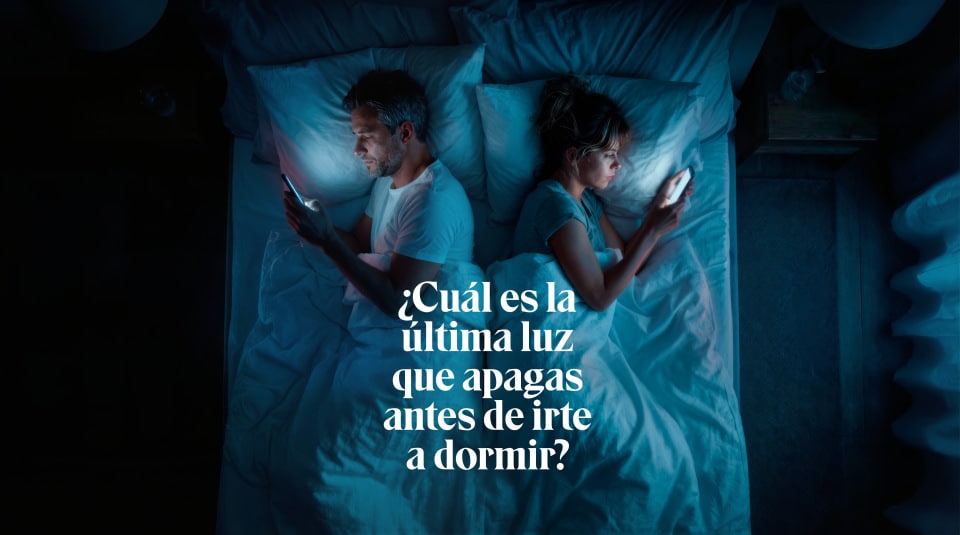
Madrid turns off its screens to switch on the connection
As a symbolic and vindictive gesture, next Thursday 12 February the emblematic screens in Plaza de Callao will be switched off for 30 minutes. A simple but powerful action that poses a direct question to society: When was the last time we turned off our screens to switch on the connection with the person sleeping next to us?
Prior to the switch-off, the screens will display messages and questions inviting reflection on mobile use and the quality of time-sharing, culminating in a total switch-off as a collective act of conscious disconnection.
This action will mark the beginning of a campaign that will continue with the opening of Intimario, The first Museum of Intimacy, open to the public from 12 to 15 February at Plaza de Callao, 1, coinciding with Valentine's Day week.
Through a sensory journey guided by Anna Vicen Renner, Intimario proposes interactive installations, provocative questions and participatory dynamics that invite us to rethink how the use of mobile phones in bed is transforming the emotional and physical connection between couples. The experience culminates with the launch of the challenge #21ConnectedNights, an invitation to spend 21 nights without screens in the bedroom to create new habits and regain the bond.
“At Pikolin we have been defending the bedroom as the emotional epicentre of well-being for years,” concludes Ana Robledo. “With this initiative we want to open up a necessary social conversation and reclaim the bed as a space to rest, reconnect and feel close”.