There is a contradiction that has gone almost unnoticed for years. Hospitals remind their patients every day that proper nutrition is essential for preventing disease and promoting recovery. However, for decades, hospital catering has been primarily driven by logistics, food safety, and cost control, relegating flavor, culinary quality, and the patient experience to the background.
Nutrition is part of the treatment. It does not replace medication or surgery, but it influences nutritional status, appetite, emotional well-being, and, in many cases, the body's ability to recover. That is why any initiative that places nutrition where it truly belongs—as another element of clinical care—is especially interesting.
Much more than a chef signing a menu
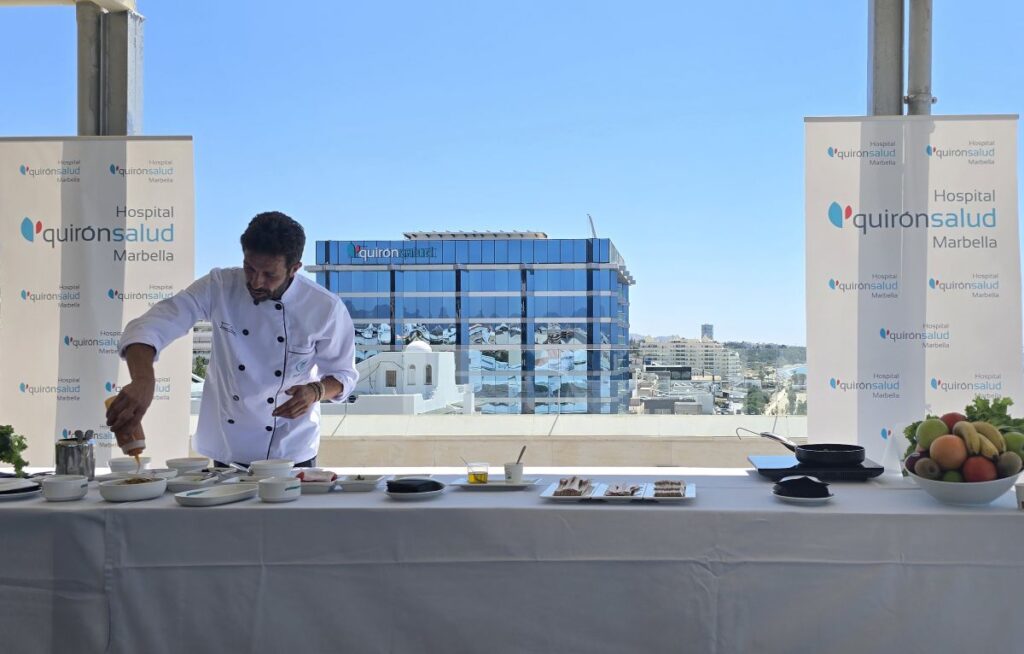
This is precisely where the program that Quirónsalud has been developing for two years alongside chef Iván Cerdeño, awarded two Michelin stars and three Repsol Suns, gains value. The recent event held at Hospital Quirónsalud Marbella was not a simple culinary demonstration or a PR action. It was the staging of a project that affects the entire hospital food chain.
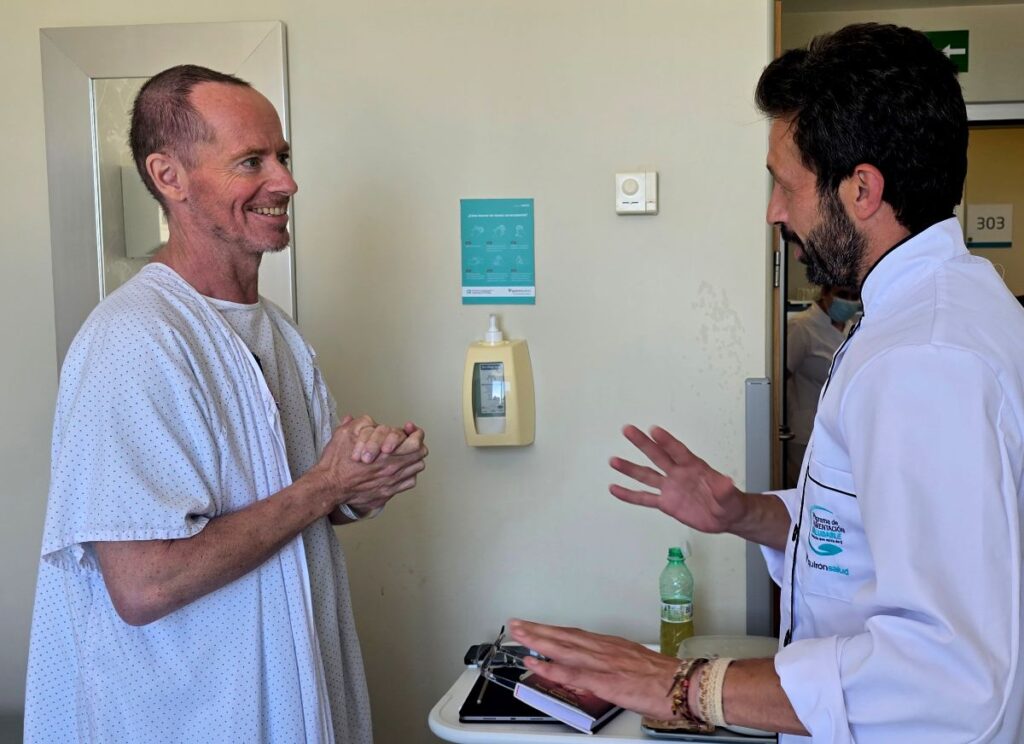
During his visit, Cerdeño worked in the hospital kitchens alongside the catering and Nutrition & Dietetics teams, sharing culinary techniques and reviewing menu preparation processes. Afterwards, he offered a showcooking session open to patients, professionals, companions, and visitors, who were able to taste a menu consisting of vichyssoise with crispy topping and olive oil, Malaga-style salad, beef bourguignon with wild asparagus and watermelon seasoned with mint. The event concluded with one of the most symbolic moments: the chef accompanied healthcare staff in distributing menus to hospitalized patients, talking with them about the importance of nutrition during recovery.
But the real transformation began much earlier.
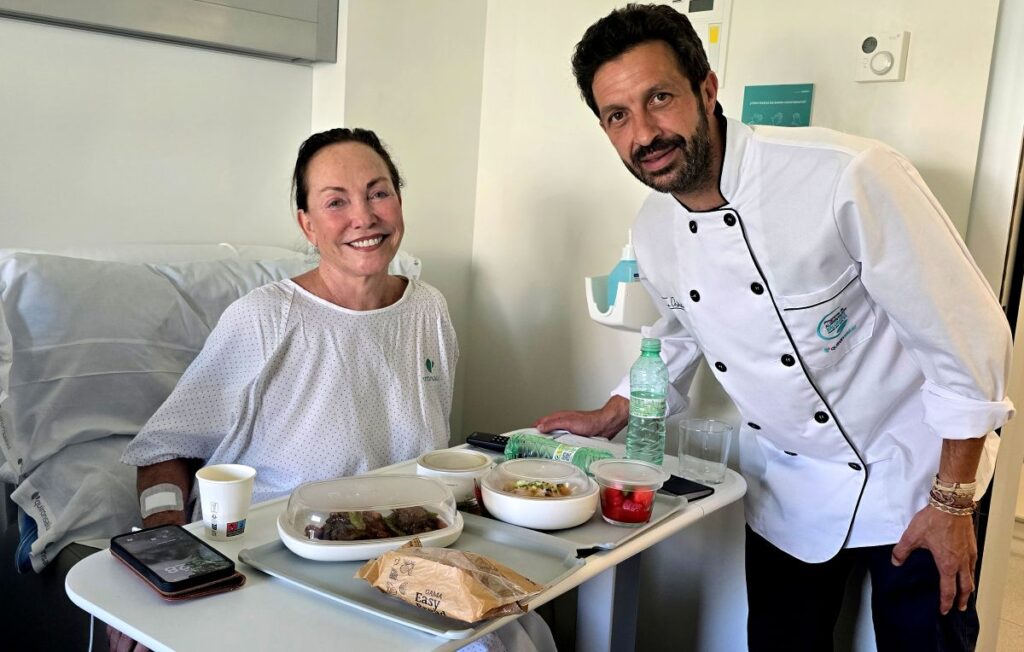
The The Healthy Eating Program implemented by Quirónsalud has involved a complete overhaul of the group's hospital catering. Over a hundred new recipes have been designed alongside Iván Cerdeño, incorporating fresh foods, whole grains, legumes, seasonal fruit, and local products; the presence of red meat, processed meats, fried foods, and breaded items has been reduced; the well-known Harvard Plate has been introduced for dinners; food transport and presentation systems have been renewed; and the program has also been extended to cafeterias and vending machines, with the goal that patients, workers, and visitors find an offering consistent with the principles of healthy eating.
Results are beginning to show in patient perception. After two years of implementation, 83% rate the taste of the menus as good or very good, 84% positively value their variety, and 93% consider the portion size adequate. Even six out of ten patients say they would consume those same menus outside the hospital—an unusual figure, given that hospital food has traditionally been subject to criticism.
Although the Quirónsalud case is likely one of the most comprehensive programs implemented in Spain, it is not an isolated initiative. In recent years, various European and North American hospitals have begun to review their catering services by incorporating chefs, clinical nutritionists, and healthy gastronomy criteria to reduce food waste, improve the patient experience, and promote faster recovery.
The difference is that, in many cases, these actions remain one-off projects. Quirónsalud has chosen to turn them into a cross-cutting model for its entire hospital network, integrating nutrition into its care strategy rather than as a complementary service.
Healthcare constantly talks about artificial intelligence, robotic surgery, or personalized medicine. However, some of the improvements with the greatest impact can be found in much more everyday aspects.
Because the real question remains the same: if we accept that nutrition is one of the pillars of health, why shouldn't it also be one of the pillars of treatment when a person is hospitalized?
Innovation does not only consist of incorporating new technologies, but also of recovering something as essential as serving a dish that, in addition to meeting clinical requirements, truly helps to care for, comfort, and accelerate the patient's recovery.