From 14 to 16 October, more than 300 executives, investors, experts and international institutions will meet in Málaga to discuss how to prepare companies, health systems, cities and citizens for longer lives
Longevity has entered a phase in which talking exclusively about years of healthy life is insufficient. A population that lives longer modifies health systems, the labour market, pensions, insurance, education, consumption, housing and the very organisation of cities. It also forces a review of a much more personal question: what it means to maintain autonomy, purpose and social participation throughout a life that can reach 90, 100 years or more.
That will be the starting point of LifeSpan Summit 2026, which will bring together in Málaga from October 14 to 16 more than 300 executives, investors, institutional representatives and professionals linked to health, technology, finance, education and innovation.
The international dimension of the event is one of its main arguments. The agenda includes representatives from United Nations bodies such as the WHO, UNITAR, ITU and UNDESA, as well as the World Bank, the European Union, the OECD, the World Economic Forum, the Gulf Cooperation Council, IMSERSO and academic centres such as the universities of Cambridge and Oxford and the Stanford Center on Longevity. Multinational companies, investors and private sector organisations also join them.
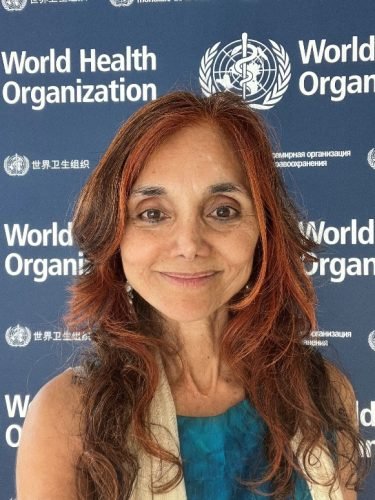
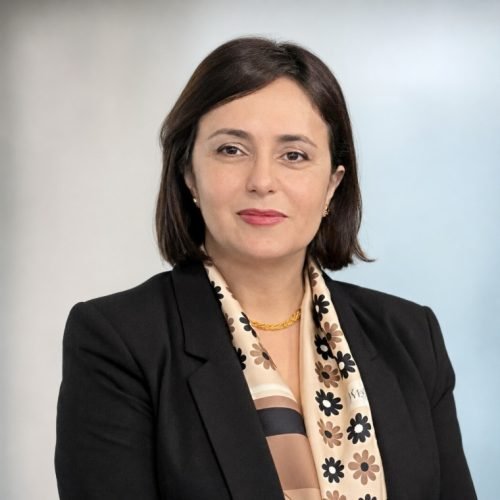
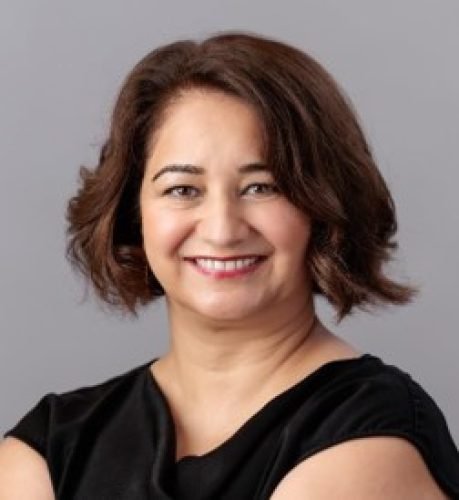
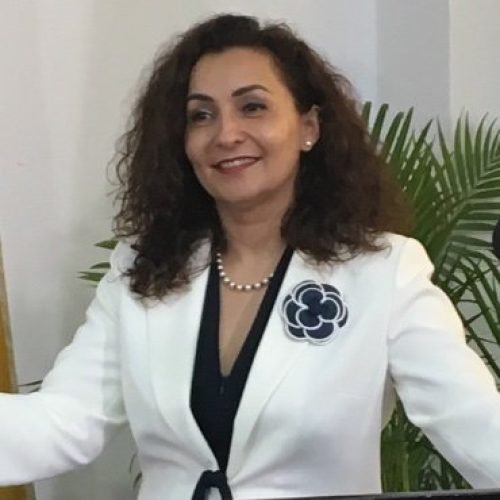
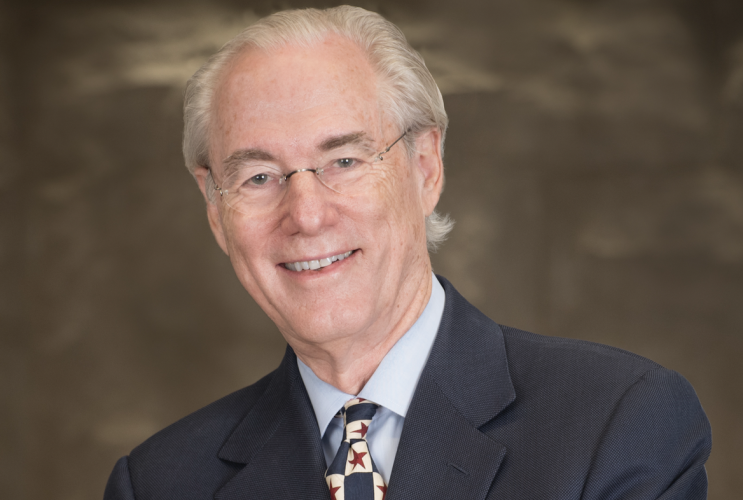
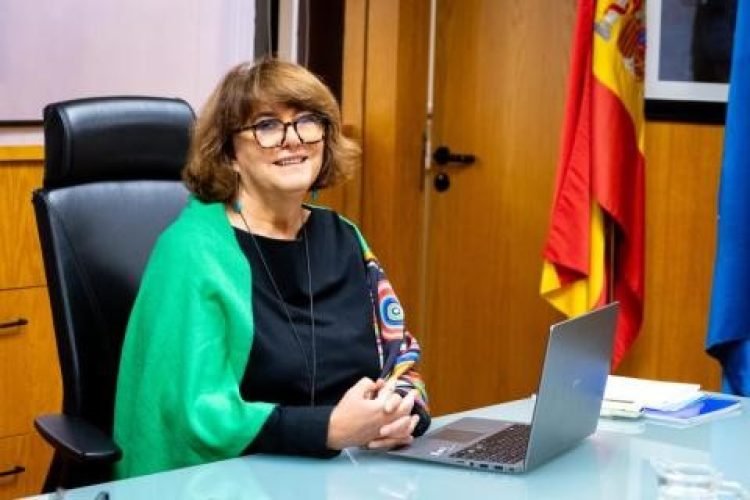
Among the more than 70 speakers are Haleh Nazeri, head of the Longevity Economy area at the World Economic Forum; Amal Abou Rafeh, chief of the Programme on Ageing section of the United Nations Department of Economic and Social Affairs; Fiona Stewart, global lead for Ageing and Pensions at the World Bank; George Vradenburg, president of the Davos Alzheimer's Collaborative; Dr Ritu Sadana, head of the WHO secretariat for the Decade of Healthy Ageing; Roxana Widmer-Iliescu, head of the Digital Inclusion service at the ITU; and María Teresa Sancho, director of IMSERSO in Spain.
The institutional presence takes on special relevance at a time when longevity is beginning to be approached as a cross-cutting issue of economic and social planning. The debate on how to live more years in health also needs to incorporate who will finance those additional years, how professional careers will evolve, what role lifelong learning will play and how services will be designed for a population with a different age structure.
Three conversations for a longer life
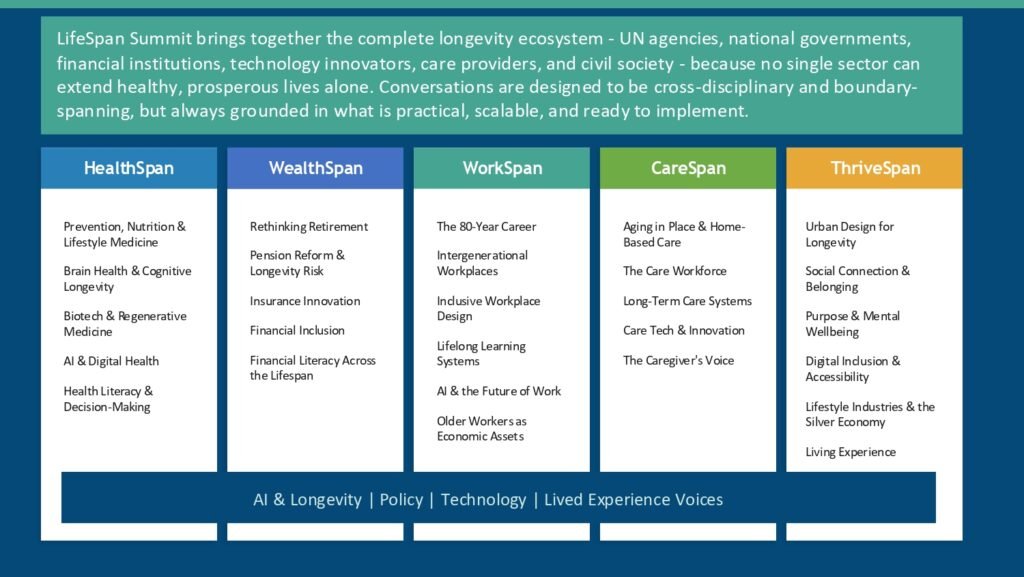
LifeSpan Summit structures the programme around three main areas: health and wellness; wealth and work; and the social and personal dimension.
The first connects directly with the ecosystem that in recent years has driven the longevity industry: biotechnology, preventive medicine, digital health, regenerative science, cognitive performance and new tools designed to preserve autonomy. The interest of the approach lies in placing these technologies within a broader conversation about outcomes and access, rather than viewing them solely as consumer products or services.
The second block brings longevity into the economic terrain. A potentially longer professional life raises questions about pensions, insurance, investment, wealth, employability and professional retraining. It also affects companies: maintaining teams with several generations, designing longer careers and facilitating continuous learning requires reviewing human resources models conceived for much more linear career paths.
The third dimension incorporates less quantifiable issues, although decisive for the quality of those additional years: purpose, identity, community, inclusion, accessibility, creativity, lifestyle and social participation.
This combination is especially relevant for those who work in the field of wellness and preventive health. Longevity does not depend on a single intervention or a specific category of services. It affects the full set of conditions that make it possible to preserve autonomy and quality of life for longer, from prevention and habits to the urban environment, social relationships, professional activity and financial security.
Málaga as a meeting point
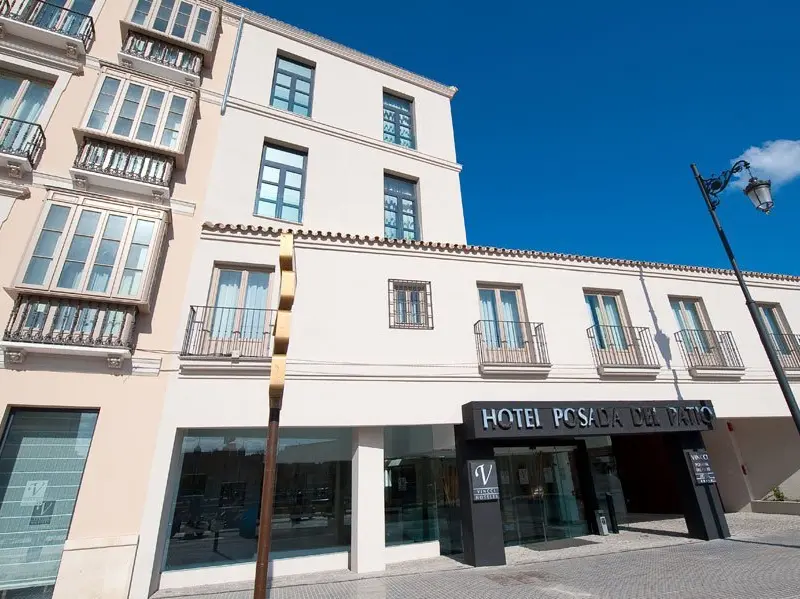
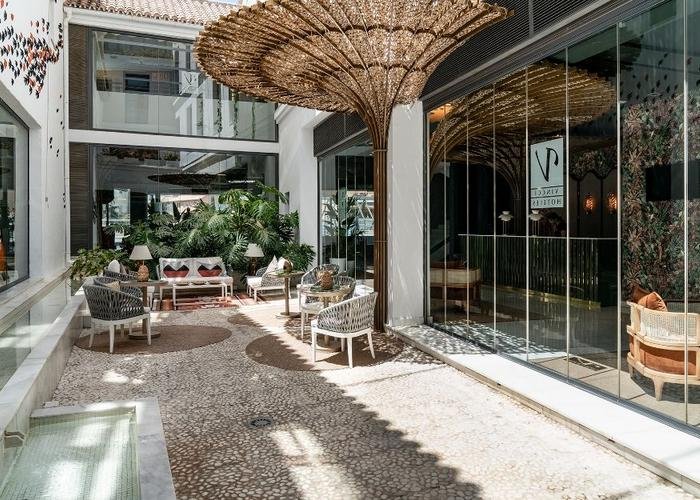
The choice of Málaga adds another dimension to the event. The city will host the first edition of LifeSpan Summit at the Hotel Vincci Posada del Patio, under the impetus of GIA Longevity (Global Initiative on Ageing and Longevity), an international organisation based in Málaga that works to place healthy ageing within the global agenda.
For the Spanish ecosystem of health, wellness, health tourism, technology and hospitality, the event also offers an unusual space for connection between sectors that usually analyse longevity from different perspectives. A technology company may be interested in digital health; an insurer, in the risk associated with a longer life; a hotel, in new prevention and wellness services; a city, in accessibility and mobility; and an investor, in the economic opportunities generated by this demographic change.
LifeSpan Summit aims to bring these conversations to the same table.
The proposal may be especially interesting for professionals who work at the intersection between health, wellness, longevity, hospitality, investment and innovation, as well as for companies that are studying how to adapt products, services or business models to a society with longer lives.
More information and full programme at the official website of LifeSpan Summit 2026.