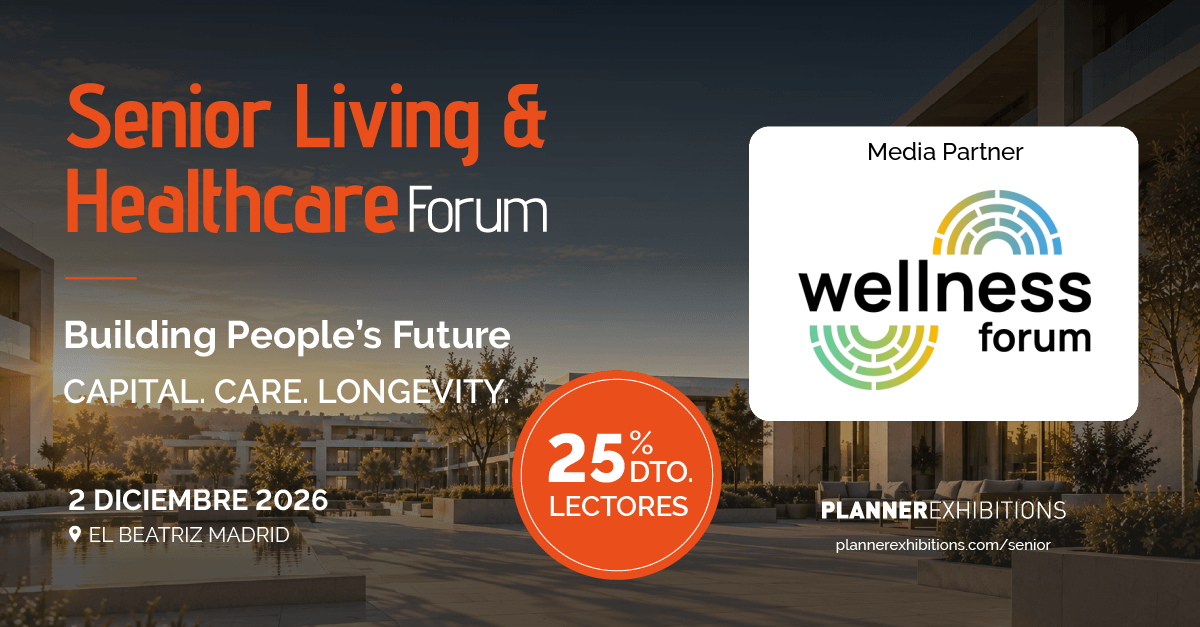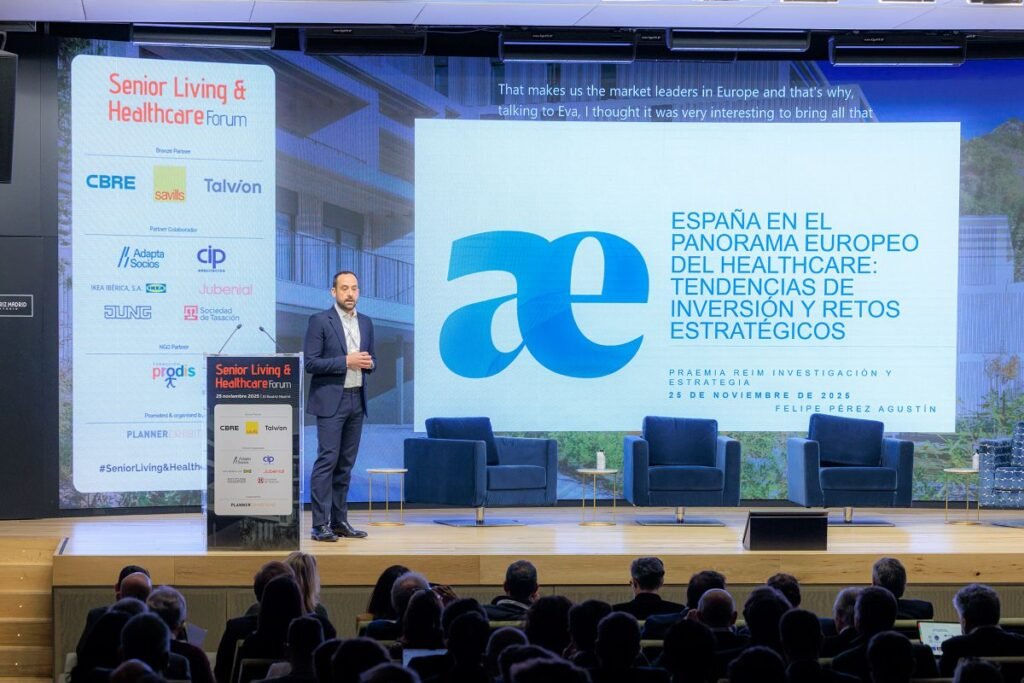
The development of new residential models for older people is gaining momentum in Spain. Financing, land, architecture and the integration of health and wellness services will be the focus of debate at the Senior Living & Healthcare Forum 2026, which will be held in Madrid on 2 December.
Our readers will have access to the 25% discount in the ticket purchase with the code SLFPWEL25.
The ageing of the Spanish population is broadening the horizon of opportunities for the real estate and social-healthcare sector. A generation of older people with very different profiles, financial resources and expectations is creating new demands in terms of housing, care and quality of life. The residential market is beginning to respond with proposals that incorporate services, community spaces and different levels of assistance, although the development of a sufficiently broad offering adapted to this diversity is still pending.
Senior Living occupies a space of growing interest for developers, investment funds, financial institutions and specialised operators. Its appeal is linked to a long-term demographic transformation, although translating that potential demand into economically viable projects requires resolving complex issues: land availability, urban planning regulations, construction costs, financing and the capacity to manage services over long periods.
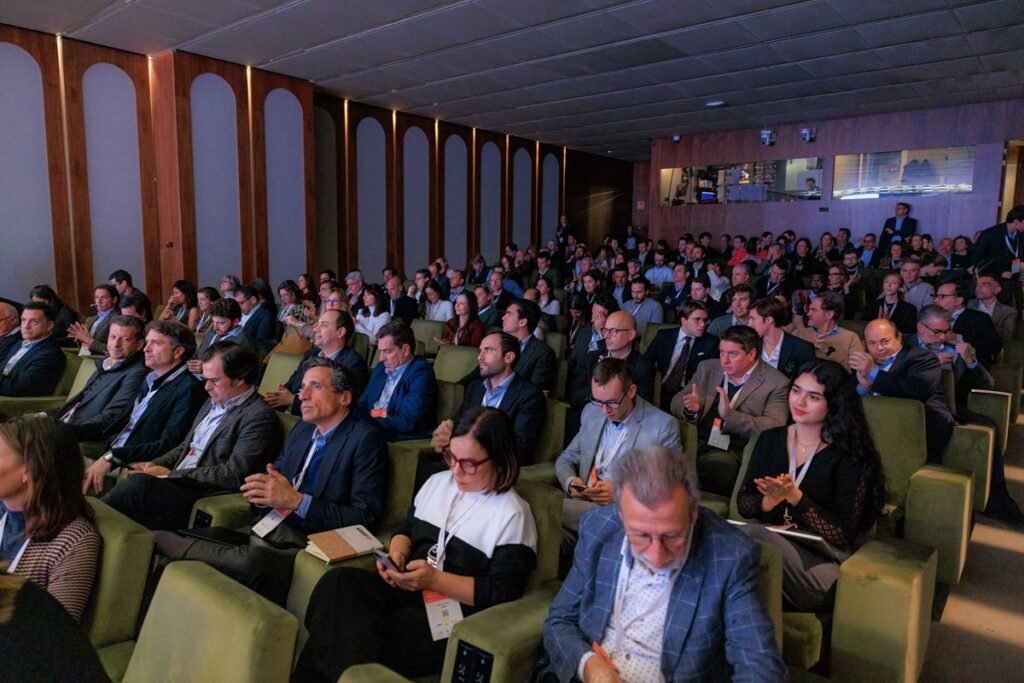
These issues will be at the centre of the Senior Living & Healthcare Forum 2026, organised by Planner Exhibitions, which will bring together representatives of the real estate, financial, social-healthcare and technology sectors in Madrid. The programme will address both the outlook for the Spanish market and international experiences and the conditions needed to develop new residential models.
Capital seeks projects with long-term viability
Financing is one of the main determining factors for the expansion of Senior Living. These are projects that require significant investment, long maturation periods and an operating structure capable of maintaining the balance between profitability, care quality and operating costs.
The event will devote a significant part of its programme to examining the criteria used by investors, return expectations and the financing formulas available. Representatives from Triodos Bank España, TQ Eurocredit, Avior Capital, Octopus Capital and Azora will take part.
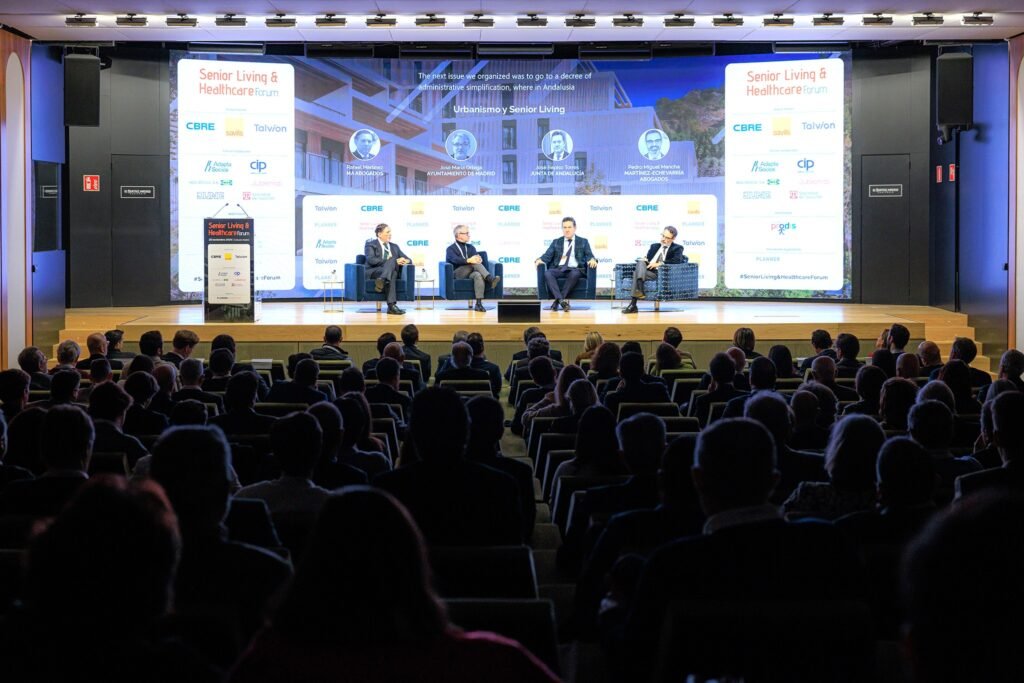
The debate will also include the role of public administrations. Land availability, urban uses and regulatory procedures condition the launch of these developments. Public-private collaboration can facilitate new initiatives, especially in a market that needs to expand its residential capacity without simply reproducing traditional models of care homes for older people.
What Spain can learn from other markets
The experience of countries with a longer track record in this field offers useful references for assessing the possibilities of the Spanish market. Australia will be one of the cases analysed during the event, with particular attention to residential models that seek to combine appeal for the resident, economic accessibility and business sustainability.
An international round table will also bring together investors, operators and consultancies to share experiences on business structures, development strategies and management formulas implemented in different markets.
The comparison is particularly relevant given the diversity of models that coexist under the Senior Living label. From independent residential communities to complexes with integrated care and health services, the proposals respond to different needs and financial capacities. The challenge for Spain is to develop an offering that takes this variety into account and avoids concentrating the product in a high-income segment.
Architecture and wellness as part of the residential model
The quality of a Senior Living project does not depend exclusively on its location, its facilities or the services it offers. The design of spaces influences everyday autonomy, mobility, social interaction and the experience of those who live in them.
Healthy architecture and neuroarchitecture will feature in the forum's programme, with an analysis of the relationship between the built environment, wellness and longevity. Natural lighting, acoustics, accessibility, the layout of common areas and the connection with outdoor spaces are elements that deserve attention from the earliest design phases.
The social dimension also occupies a relevant place. The possibility of maintaining relationships, participating in shared activities and preserving ties with one's surroundings contributes to quality of life during ageing. In this sense, community spaces and activity programming are part of the residential offering and require planning as careful as that of facilities and care services.
The integration of prevention, healthcare and wellness services opens up another field of development. Future residents may need anything from physical activity programmes and health monitoring to specialised assistance as their functional conditions change. The organisation of these services raises questions about the professionals required, the costs and coordination with the healthcare system.
Management will determine the experience and profitability
Building a suitable residential complex is one part of the project. Maintaining its quality over time requires a sound operating structure, prepared teams and management capable of responding to the changing needs of residents.
Occupancy, the marketing of units, the recruitment and retention of professionals, and efficiency in the use of resources will be among the other issues addressed during the event. Economic sustainability will depend to a large extent on the operator's ability to balance the costs of staffing, maintenance, and services with the fees that each population segment can afford.
The Senior Living & Healthcare Forum 2026 has Baumschlager eberle architekten, Lysander, Orange Empresas, and TQ Eurocredit as Bronze Partners, and ACR, Básico Real Estate, IKEA Ibérica, and Jubenial as Collaborating Partners.
The Madrid event will provide an opportunity to take the pulse of a market that brings together real estate, financial, healthcare, and social interests. Its evolution will depend on projects responding to real and diverse demand, with residential models that can be economically sustainable and offer adequate conditions for living, care, and autonomy.
The full program and registrations are available at the event's official website, our readers will have access to the 25% discount on ticket purchases with the code SLFPWEL25.