The healthcare sector is undergoing a period of profound restructuring on a global scale. Factors such as the persistent overload of care, professional burnout, and the resulting brain drain of qualified talent toward international markets are redefining the aspirations of new generations of health science graduates. In this transitional scenario, the pharmaceutical, biotechnology, and medical technology (MedTech) industries are consolidating as strategic alternatives for profiles with a scientific vocation who seek to balance innovation, corporate purpose, and business development.
In Spain, the industrial fabric linked to health shows sustained expansion. The pharmaceutical industry already exceeds 113,000 active professionals, registering a 37% increase in employment since 2019. This evolution reflects the maturity of a competitive environment that increasingly demands cross-functional skills in areas of regulation, commercial strategy, and technology transfer.
Diversification of key roles in the healthcare value chain
The sophistication of treatments and the deployment of advanced solutions — such as remote patient monitoring — have diversified strategic positions within companies in the sector:
- Early and regulatory phases: Professionals in clinical research take on the coordination of trials and the generation of scientific evidence. Subsequently, specialists in Regulatory Affairs and quality control ensure strict compliance with regulations required by European regulatory agencies.
- Market access and scientific liaison: The profile of Medical Affairs and market access managers (Market Access) act as critical bridges, connecting the scientific evidence from laboratories with the needs of hospitals, public administrations, and prescribers.
- Strategy and technology: Areas such as healthcare business, pharmaceutical marketing, and the MedTech division lead the implementation of technological solutions that optimize patient care from a corporate perspective.
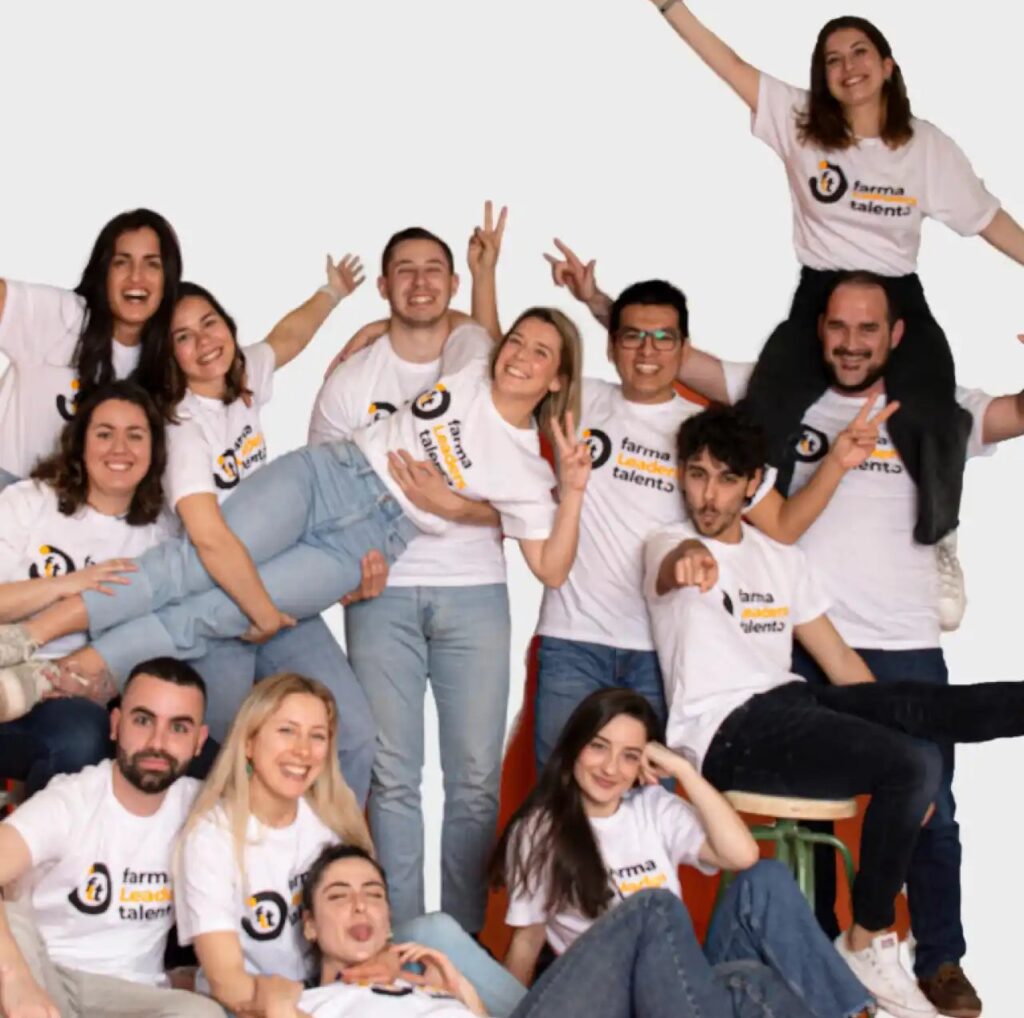
Inés Martínez, co-founder of the business school Farma Leaders Talento, notes that traditionally there has been a limited view of career paths in health, almost exclusively confined to the clinical setting or pure academic research. The executive highlights the breadth of a market where science, technology, and business leadership converge.

Specialized training for talent retention
Faced with the disconnection of some young talent from the traditional care model, initiatives are emerging aimed at reducing barriers to entry in the corporate sector and retaining qualified professionals before they opt for labor emigration.
The firm Farma Leaders Talento, with a five-year track record in the sector, operates under a model of executive education co-designed with active professionals and in direct alliance with corporations in the healthcare. ecosystem. Its educational offering includes master's degrees, specialization programs, and official undergraduate degrees that apply practical methodologies and real projects to facilitate student immersion from the start of their careers.
Irene Campos, also co-founder of the entity, points out that one of the main challenges of the current market lies in ensuring that students with a healthcare vocation identify, at an early stage, the development opportunities offered by the industry in the design and distribution of therapies and medical technologies. Strengthening these specialization pathways is presented as a key tool for developing a more competitive, sustainable, and high-value-added health ecosystem in Europe.