As the days get longer and the light changes, so does the way we look at our skin. Summer invites us to simplify our routines, to reduce make-up and to let our face look more natural. In this context, dermatological treatments with lasers and light sources have become one of the most valued resources in modern wellness: technologies capable of improving skin quality with precision, while respecting the skin's balance.
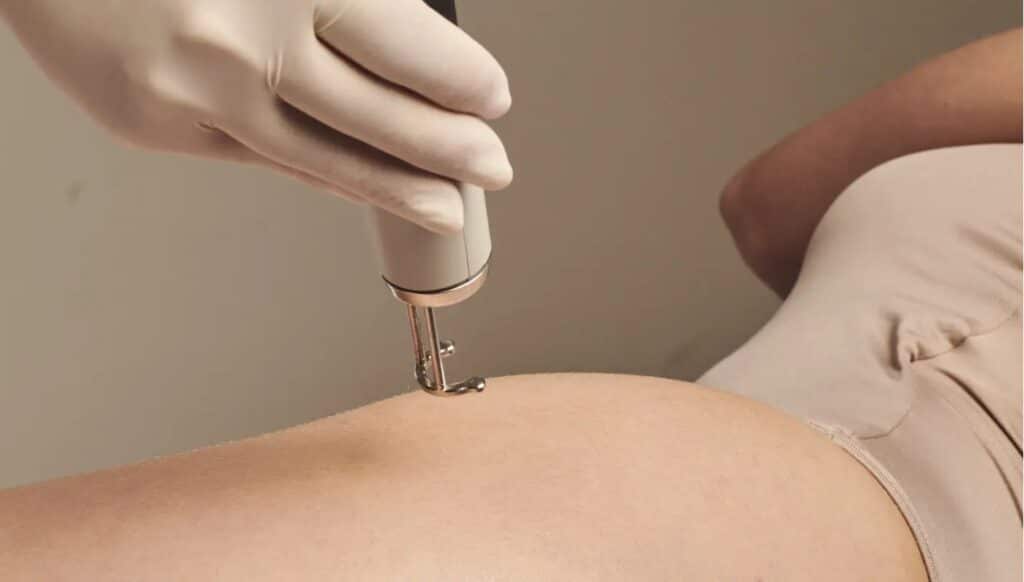
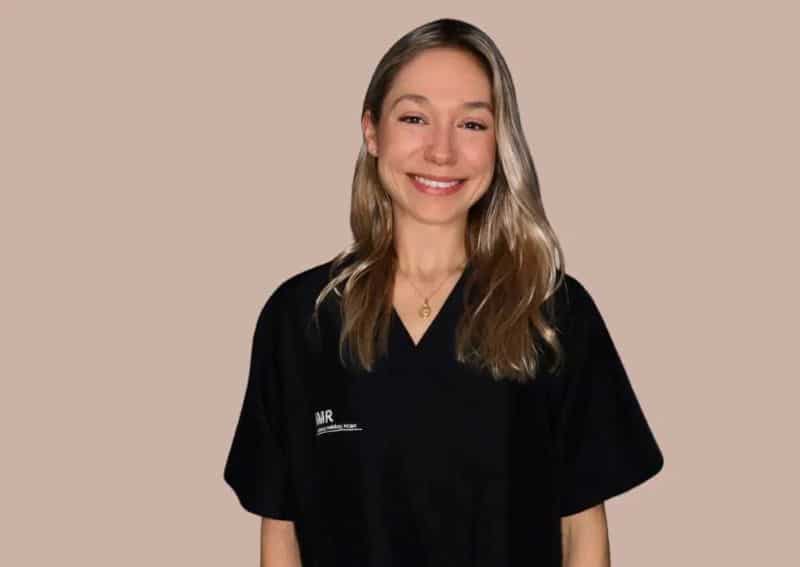
The dermatologist Ana Martínez-Lauwers explains that these devices make it possible to treat very frequent alterations in consultation - spots, redness, unevenness or loss of luminosity - by means of selectively directed energy. The aim is not to transform the skin, but to help it regain a more homogeneous and healthy appearance, something that more and more people are looking for before the sunny season.
Preparing the skin for summer is not just about applying sunscreen - although this is still the most important gesture - but also about improving its basal state so that it responds better to changes in temperature, solar radiation and oxidative stress typical of this time of year. In this sense, light technologies have established themselves as an effective option in skin care protocols that combine aesthetic medicine and clinical dermatology.
One of the most common reasons why many people consult a doctor before the summer are the spots that appear on the face, décolleté or hands, especially lentigines associated with accumulated sun exposure. In these cases, intense pulsed light and certain lasers designed to treat pigment can act on melanin in a very specific way, attenuating the spots and restoring greater uniformity to the skin tone. The result, according to specialists, usually translates into a more luminous and rested-looking face, something that fits in very well with the natural aesthetics that dominate today's wellness and beauty trends.
Another common concern is persistent redness or small visible vessels on the face. These changes, which can be intensified by heat or sun exposure, can also be addressed with vascular lasers that target superficial blood vessels. By reducing their visibility, the skin appears calmer, less reactive and more even-toned, which is particularly relevant in summer when heat and radiation tend to exacerbate these skin changes.
Beyond blemishes or redness, many people seek to improve skin texture and restore radiance. In these cases, non-ablative fractional lasers have become one of the most interesting tools in regenerative dermatology. These systems stimulate collagen production without aggressively damaging the skin surface, resulting in smoother, firmer and more light-reflective skin. The approach fits with a current vision of aesthetics that prioritises progressive, natural results that are compatible with the rhythm of everyday life.
However, the timing of these treatments is crucial. Planning is key to avoid side effects such as post-inflammatory hyperpigmentation, especially in times of increased sun exposure. For this reason, specialists recommend starting them several weeks before the summer and always accompany them with rigorous and constant photoprotection.
In the wellness world, where personalisation is becoming increasingly important, prior dermatological diagnosis makes all the difference. Factors such as skin phototype, skin sensitivity, the presence of skin pathologies or even lifestyle habits influence the choice of the most appropriate treatment. Not all lasers are the same and not all protocols work for all skin types.
This more medical and preventive approach to aesthetic care reflects a paradigm shift in the way we understand beauty: less aggressive interventions and more intelligent technologies that respect the skin's biology. This is the line of work of the IMR dermatology centre, founded by José María Ricart, which is committed to integrating technological innovation and clinical rigour in skin care, hair regeneration and aesthetics based on natural results.
With summer just around the corner, the trend is clear: prepare the skin in good time, treat what it really needs and opt for technologies that accompany the skin's natural regeneration processes. Because, in reality, the best skin in summer is not the most perfect, but the one that looks healthy, balanced and radiant.