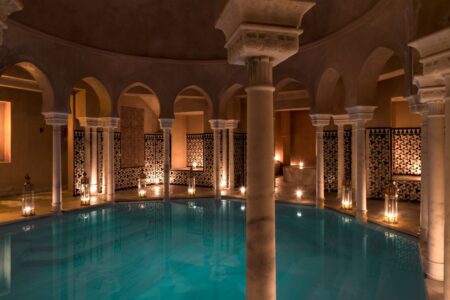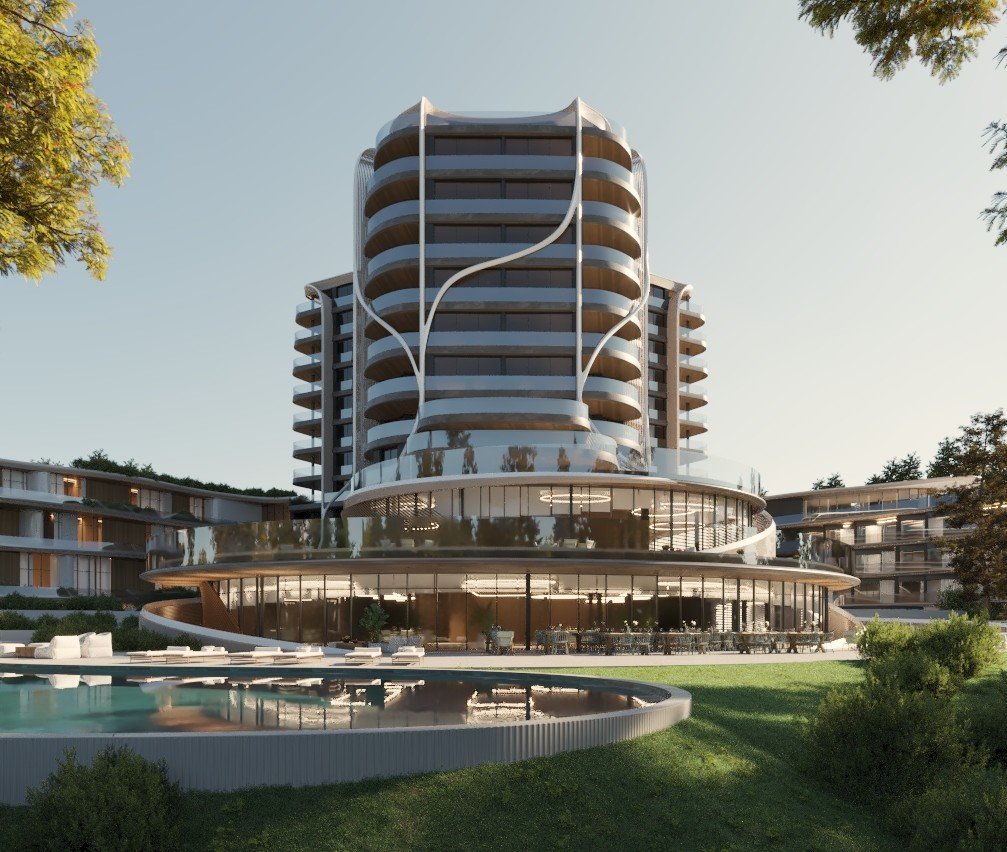
The future medical resort at the former Incosol aims to compete in the high-end preventive health market with a large-scale clinic, luxury hospitality and private residences. Its opening, scheduled for 2029, will come after Lanserhof's launch on the Costa del Sol and with SHA as one of the segment's leading international benchmarks.
The European longevity market is preparing for a new phase of expansion, with projects that integrate preventive medicine, advanced diagnostics and personalised health programmes in establishments designed for high-end stays. In this context, Ilanga Capital has begun construction of Oakmond Marbella, a medical resort with a planned investment of 260 million euros that will occupy the former Incosol complex, a pioneer of health tourism on the Costa del Sol since the 1970s. The project aims to develop a hospitality model in which clinical activity forms the core of the experience, with services focused on prevention, individualised assessment and long-term health monitoring.
The initiative comes at a time of strong investor interest in establishments that combine healthcare, wellness and luxury accommodation. Operators such as Lanserhof have consolidated their international reputation through structured medical programmes, while SHA Wellness Clinic has developed its own offering that integrates preventive medicine, nutrition, physical activity and complementary therapies. For Oakmond, the challenge will be to define a recognisable clinical identity within this market and attract an international clientele that has established alternatives in Europe and other destinations.
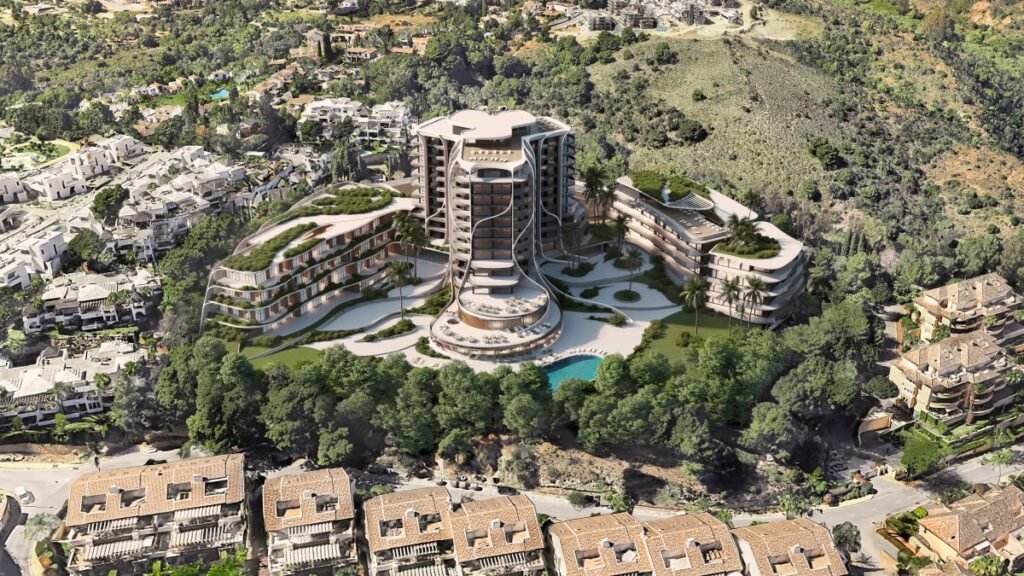
Ilanga Capital will allocate 260 million euros to the development of Oakmond, a transaction backed by a senior loan of 145 million granted by Goldman Sachs Alternatives. The financial structure is part of an asset and capital portfolio exceeding 400 million euros linked to the firm's activity.
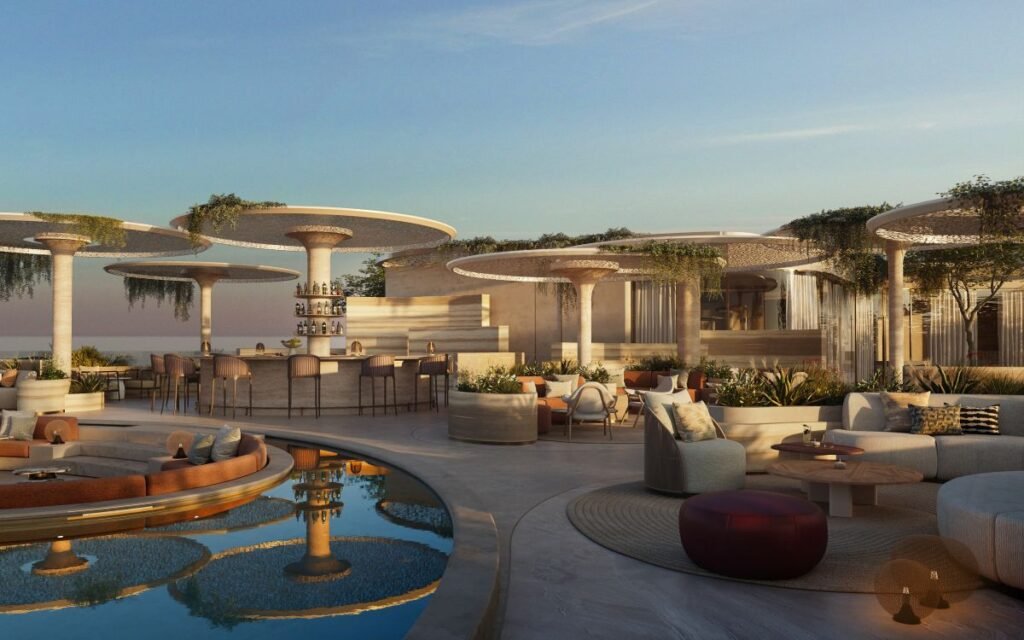
The project will be built on a 53,000-square-metre plot and will feature 140 rooms and suites in the historic Incosol tower, which will be fully refurbished, plus 28 newly built private residences. The offering will include a longevity clinic, sports facilities, wellness spaces and high-end dining. Information published by the sector puts the planned clinical area at around 10,000 square metres, a dimension that points to substantial medical activity within the complex.
Execution is in the hands of San José, which will apply BIM methodology and work towards obtaining LEED Gold certification. The schedule envisages approximately 36 months of construction, with opening planned for 2029, according to information released after the official start of construction on 21 October 2026.
Pelayo Cortina Koplowitz, founding partner of Ilanga Capital and CEO of Oakmond, explained that the project brings to life a vision that began with the acquisition of Incosol three years ago: to create a new category of real estate and hospitality assets with international reach. According to the executive, the backing of Goldman Sachs Alternatives reinforces the financial viability of an initiative that seeks to place preventive medicine at the centre of a high-end hotel concept.
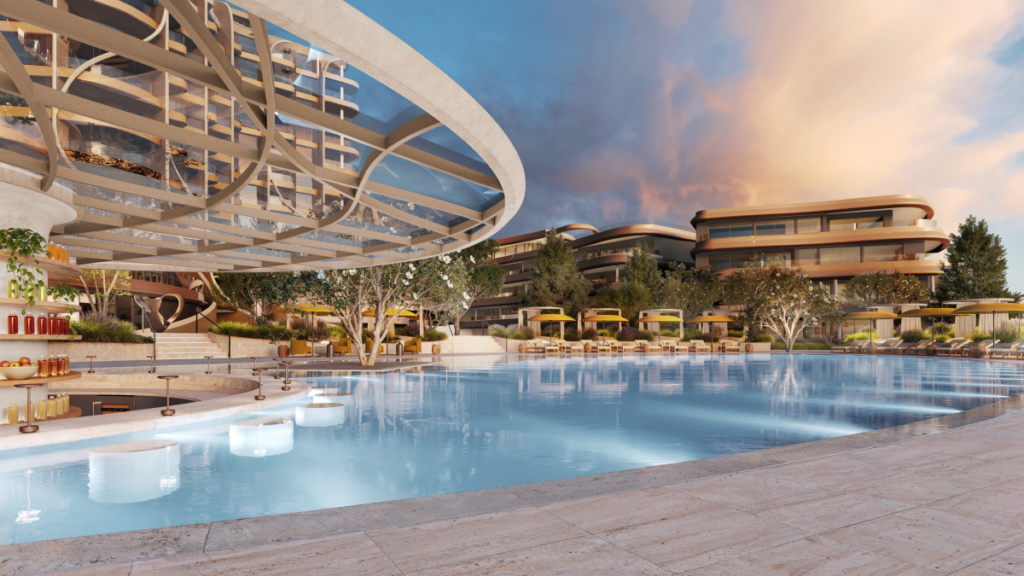
Oakmond's positioning must be analysed against operators that already have a consolidated identity in wellness and longevity medicine. Among them, Lanserhof represents a structured clinical approach, while SHA has built an international brand around the combination of advanced medicine, nutrition, healthy habits and integrative therapies.
Lanserhof is preparing its entry into southern Europe with a centre at Finca Cortesín, in the Malaga municipality of Casares, whose development envisages an investment of approximately 100 million euros, 71 rooms and a building of around 24,000 square metres. The forecast initially communicated by its developers placed the opening at the end of 2026, although later reports have pointed to early 2027. The effective date will need to be confirmed with the operator. Its offering draws on the experience accumulated by the group at its centres in Germany and Austria and on a model that combines medical assessment, therapeutic nutrition, prevention and individualised programmes.
SHA, for its part, maintains its Spanish establishment on the Costa Blanca, in Alicante, and has developed an offering that integrates advanced diagnostics, precision medicine, nutrition, movement, recovery and holistic therapies. Its Advanced Longevity programme is geared towards biomarker optimisation and long-term health, within a personalised residential experience. SHA therefore constitutes an international competitive benchmark for Oakmond, while its future wellness residence complex in Benahavís remains still on paper.
The distinction matters from a strategic standpoint. Oakmond will compete for an international clientele that compares destinations, medical teams, diagnostic depth, therapeutic programmes, privacy and quality of service, and that can choose between different countries to access longevity offerings. The geographical proximity between the Costa del Sol projects will make it easier for some clients to consider several options in a single trip, while brands such as SHA will maintain their ability to attract demand from other markets.
The most visible difference between Oakmond and Lanserhof is the timeline. If current forecasts hold, Lanserhof will begin operating approximately two and a half years before Oakmond. That head start may allow it to capture repeat clients, consolidate relationships with prescribing professionals and build a reputation based on the real experience of its programmes.
Oakmond will instead have time to develop its clinical organization, define protocols, select medical teams and establish international alliances before welcoming its first guests. The scale of the investment and the facilities offers room to build a differentiated proposition, although the size of the complex alone does not guarantee a medical or commercial advantage.
The comparison between the two projects will depend on aspects that still need to be publicly specified at Oakmond: which medical specialties will be available, which diagnostic tests will be incorporated, how post-stay follow-up will be organized, which treatments will have well-established clinical indications and which results will be used to evaluate the effectiveness of the programs.
In the longevity sector, technological sophistication must be accompanied by clear clinical criteria. A comprehensive assessment can help identify risk factors and guide preventive decisions, but its value depends on the selected tests having proven utility and on the results leading to appropriate interventions. The ability to explain transparently what benefits can be expected, what the limits of each treatment are and how patient progress is measured will be decisive in building trust among a clientele increasingly exposed to high-priced health offerings.
Oakmond proposes a vertical integration of healthcare and hospitality services. Its clinic will be dedicated to early diagnosis, personalized preventive medicine and health monitoring through data analysis and clinical intelligence tools. The offering will be completed with physical activity, nutrition and wellness programs, as well as high-end dining services.
The complex will include a 140-room hotel with suites in the renovated historic building, along with 28 villas and private residences intended for clients seeking extended stays and greater privacy. This combination can expand the project's commercial possibilities, from time-limited medical programs to residential experiences linked to wellness and personalized follow-up.
The integration of accommodation and clinical care also poses operational demands. Coordination among doctors, nutritionists, exercise specialists, therapists and hotel staff must respond to a coherent program, with defined responsibilities and uniform quality criteria. The privacy of medical data and continuity of care after the stay will be other relevant elements for a model that aspires to work with an international clientele.
The culinary offering, sports facilities and recovery spaces will form part of that overall experience. Their contribution to health will depend on how they are integrated into individual programs and on the ability to maintain beneficial habits beyond the stay at the resort.
The development of Oakmond revives a site historically linked to health tourism and brings it into a category that attracts real estate and institutional capital. Its investment of 260 million euros, financing from Goldman Sachs Alternatives and the combination of clinic, hotel and residences place the project among the largest initiatives announced recently in the Spanish longevity segment.

However, its international positioning will depend on factors that transcend architecture and budget. The reputation of the medical team, the quality of the protocols, the evidence supporting the interventions, the patient experience and the ability to build follow-up relationships will be decisive elements in competing with operators that already have a track record and recognition.
The project will have to find its space among different models: from centers with a strong medical identity, such as Lanserhof, to integrative destinations like SHA, which combine healthcare and lifestyle programs within a recognized wellness brand. Oakmond's differentiation must emerge from its clinical practice, the organization of its services and an experience that justifies choosing it over other international alternatives.
With opening planned for 2029, Oakmond has a broad development horizon and an investment that allows it to propose a large-scale offering. The next step will be to transform that construction capacity into a recognizable medical and hospitality model, capable of attracting patients and guests who value both clinical excellence and privacy and quality of experience.