Breathing may seem as simple as it is automatic, but when that oxygen is administered under special conditions, the body's cells can be given a real boost of regeneration, healing and vitality. That is the promise of oxygen therapy: an approach that goes beyond superficial wellness and seeks to restore from deep within - tissues, circulation, inflammation, recovery.
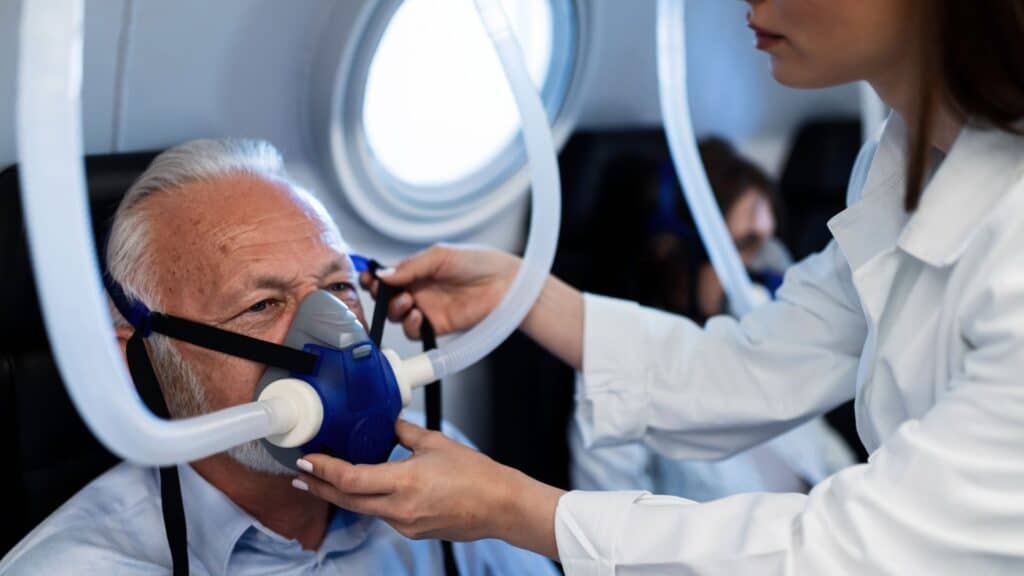
Oxygen therapy“ in its most classical form consists of provide the body with supplemental oxygen when normal breathing is not sufficient - due to lung problems, chronic diseases, cystic fibrosis, heart failure, sleep apnoea or similar - to ensure that the organs receive the necessary oxygen.
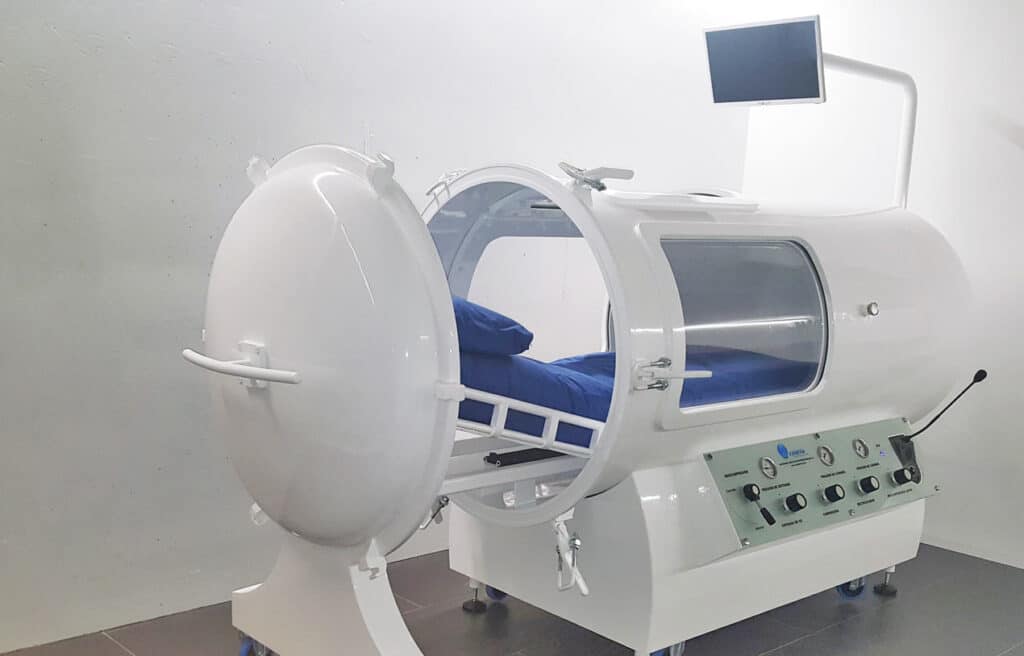
A more advanced variant is the hyperbaric oxygen therapy (HBO)% oxygen is administered inside a pressurised chamber - a “hyperbaric chamber” - so that the lungs absorb far more oxygen than would be possible under normal conditions. This controlled “overdose” of oxygen allows the body to transport large amounts of dissolved oxygen through the blood to tissues, organs and cells that need it.
Physiological effects can be potent: improved cellular oxygenation, stimulation of tissue regeneration, increased vascularisation, boosting of the immune system, reduction of inflammation, accelerated healing... all of which make up a range of benefits that go beyond mere transient wellbeing.
The key difference between “conventional” oxygen therapy and hyperbaric oxygen therapy is in the pressure and concentration of oxygen: in the HBO the pressure is higher than atmospheric pressure and the oxygen is pure, which multiplies its therapeutic capacity.
Hyperbaric chambers are mainly classified as follows single-seater (one person per session) and multiplaza (several people at the same time). Single seaters are usually more compact and private, while multi-seaters allow direct medical supervision and are common in clinics and hospitals.
Pressures in hyperbaric oxygen therapy and type of centre
- Low pressure: 1,1 - 1,3 ATA
Used in centres wellness and physical recovery, for relaxation, anti-fatigue and general well-being. Single-seater or portable chambers. - Average pressure: 1.4 - 1.6 ATA
Applied in premium wellness or light private clinics, for mild regeneration, muscle recovery, anti-inflammation and aesthetic treatments. Small single or multiplace chambers. - High pressure: 1.8 - 2.4 ATA
Exclusive to certified medical centres, indicated for severe wounds, ulcers, post-radiotherapy injuries, minor poisoning and post-trauma recovery. Multi-place chambers supervised by healthcare personnel. - Very high pressure: 2.4 - 3.0 ATA
Only in hospitals and specialised units, for severe poisoning, gas embolism and decompression sickness. It is never used in wellness due to the risk of toxicity.
Indications for hyperbaric oxygen therapy
- Chronic wounds and hard-to-heal ulcers
- Burns and skin lesions
- Severe muscle or bone injuries
- Complicated infections, gas gangrene
- After-effects of radiotherapy
- Trauma, tissue necrosis
- Carbon monoxide poisoning, gas embolism or decompression illnesses
In the field of welfare, Some centres use low or medium pressures for muscle recovery, inflammation relief or revitalisation, although the scientific evidence is stronger for medical indications.
Recommendations and contraindications
- Pre-medical evaluation to rule out pneumothorax, lung bullae or other respiratory pathologies
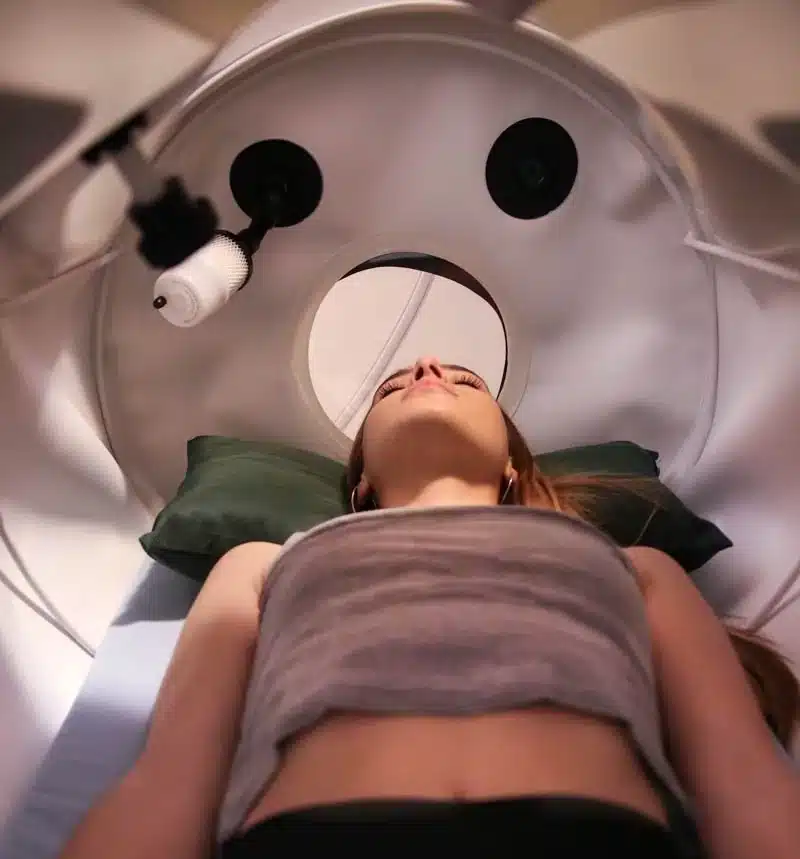
- Caution for people with claustrophobia
- Control of medication that may interfere with oxygenation.
- Possible side effects: ear and sinus discomfort, temporary changes in vision, risk of toxicity at very high pressure, flammability of pure oxygen.
Costs
- Single sessions in wellness clinics: ≈ 60 - 100 €
- Session in a specialised medical centre: ≈ 100 € or more, depending on pressure and chamber type
- Multi-session packages reduce the cost per session (≈ 80 €/session in wellness, variable in medical clinics)
Oxygen therapy, and in particular hyperbaric oxygen therapy, can be a powerful tool to regenerate tissues, improve oxygenation, reduce inflammation and enhance recovery. In wellness centres, low to medium pressures are used, focusing on wellness, recovery and vitality. In medical environments, high or very high pressures are used to treat serious pathologies and require professional supervision.
When applied correctly, with trained personnel and safe protocols, oxygen therapy can be a profound wellness experience, a real ally for health and cellular regeneration. It is always advisable to differentiate between preventive wellness and the certified medical treatments, choosing the right centre and pressure according to the objectives.