
With the onset of winter, many people living with chronic pain find that their symptoms intensify. Low temperatures, humidity and reduced physical activity all contribute to the development of chronic pain. muscle stiffness, loss of mobility and increased persistent discomfort, especially in muscles and joints.
From the Traditional Chinese Medicine (TCM), This phenomenon is not considered casual or unavoidable. On the contrary, it is part of a well-defined pattern that allows us to understand why cold aggravates pain and, above all, how to deal with it in a natural and preventive way.
The “Bi Syndrome”: when cold and dampness block the body
According to the National Association of Professionals and Freelancers of Natural Therapies (Cofenat), In Chinese medicine, the worsening of pain in winter is associated with the so called Bi syndrome, a condition that occurs when cold, dampness or wind penetrates the body and blocks the circulation of vital energy (Qi) and blood.
Jaime Trilla, The naturopath, acupuncturist and president of Cofenat in Aragon, points out that during the cold months the therapeutic objective is clear:
"Expelling cold and dampness, tonifying Yang and promoting Qi and blood circulation., which helps to reduce stiffness and relieve chronic pain”.
When these pathogenic factors accumulate, the body loses internal heat, tissues become stiffer and pain finds fertile ground to take hold.
Natural therapies for pain relief in the cold months
Cofenat stresses that winter is a particularly appropriate time to resort to therapies that heat, unblock and deeply regulate the organism, acting not only on the symptom, but also on its energetic cause.
Among the most commonly used are:
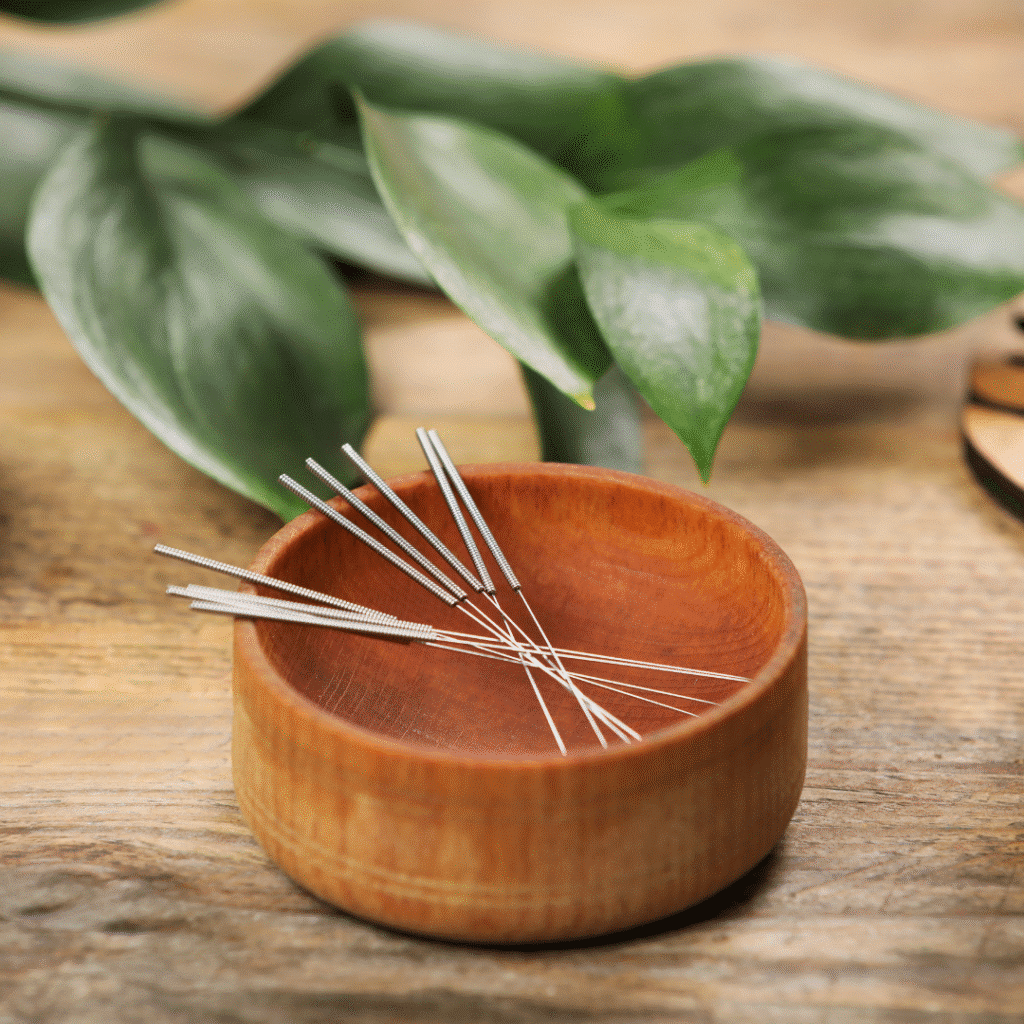
- Acupuncture, The treatment is also known as "Qi and blood circulation", which reactivates the circulation of Qi and blood, reduces inflammation and stiffness, and calms the nervous system, decreasing the perception of pain.
- Moxibustion, a technique based on the application of deep therapeutic heat, especially effective in pain that worsens with cold and improves with heat, as it strengthens the Kidney and Spleen Yang.
- Tuina Massage, The treatment relaxes tense muscles, improves joint mobility and promotes local circulation.
- Chinese phytotherapy, It is aimed at dispersing cold and dampness, nourishing the blood and strengthening the Yang when there is internal weakness.
- Qi Gong and gentle energy practices, The energy of the body, which keeps the energy in motion, prevents winter stagnation and helps to reduce sensitivity to pain.
“The combination of these therapies not only relieves the pain, but also prevents relapses and strengthens the body's internal balance”explains Trilla.
Everyday habits that can make winter pain worse
Beyond the climate, Traditional Chinese Medicine warns that certain daily habits can facilitate the entry of cold and dampness or weaken Yang, intensifying chronic pain during this season.
Among the most frequent errors are
- Exposure to cold without protecting sensitive areas such as the neck, lower back or knees.
- Excessive consumption of cold, raw food or food straight from the refrigerator.
- Maintaining a sedentary lifestyle for long periods.
- Too little sleep or continuous physical and mental overexertion.
To reduce pain in a natural way, the specialist recommends provide heat on a regular basis, The main priorities are warm, cooked food, gentle daily movement, respecting rest times and avoiding humidity and draughts.
Caring for the body so that pain loses its strength
From the point of view of Chinese Medicine, winter is not a time for forcing, but for protect, conserve and nurture internal energy.
“When the body feels cared for, warmed and the Qi flows without blockages, pain loses strength,” concludes Jaime Trilla.
A reminder that, especially in the cold months, listening to the body and adapting to seasonal rhythms can make the difference between living with pain or learning to manage it more consciously and naturally.