Regenerative medicine has spent more than two decades trying to answer one of biomedicine's biggest questions: how to repair an organ once the damage has already occurred. Cell therapies have generated enormous expectations, but also numerous clinical failures. In many cases, the administered stem cells simply disappear before exerting a therapeutic effect.
The problem has not always been the quality of the cells, but rather the environment they arrive in.
A tissue that has suffered a heart attack, a stroke, or an age-related degenerative process presents an extremely hostile microenvironment. Inflammation, lack of oxygen, acidity, and oxidative stress hinder cell survival. Most lab-cultured cells cannot withstand these conditions and die shortly after being administered.
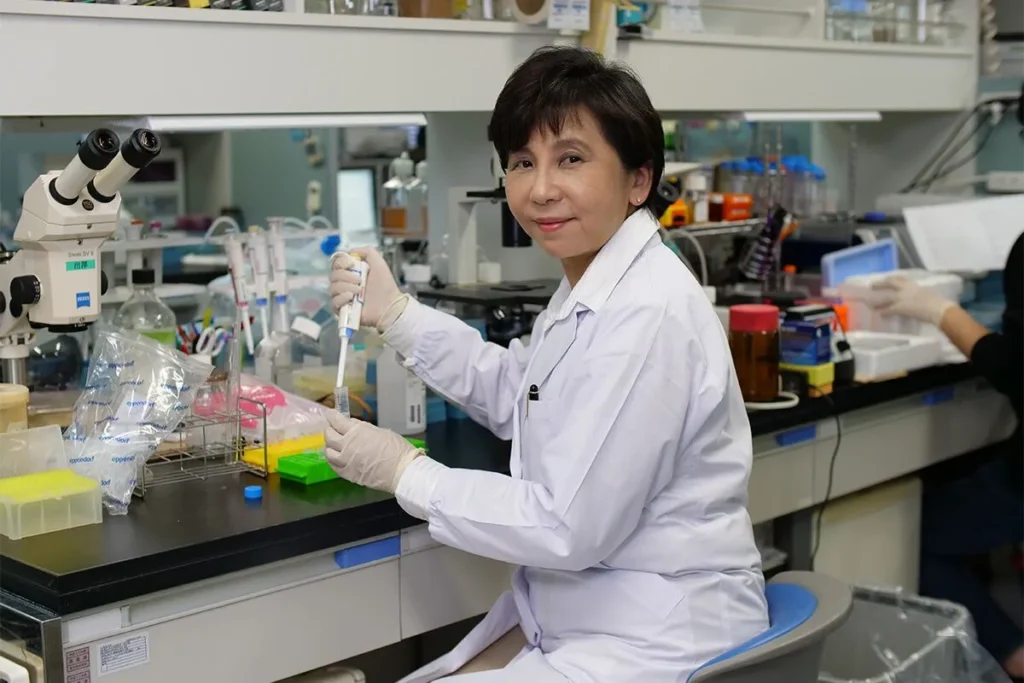
It is precisely this limitation that a new line of research focuses on, based on so-called Muse Cells (Multilineage-differentiating Stress Enduring cells), a very specific population of stem cells identified by Japanese researcher Mari Dezawa at Tohoku University.
Selected for their ability to withstand
Unlike other cell therapies, these cells were not designed through genetic engineering. Their discovery resulted from subjecting cell cultures to extreme stress conditions: hypoxia, acidity, and prolonged exposure to enzymes capable of destroying most cells.
Only a small fraction survived.
This resilience appears to be one of their main advantages. Various studies indicate that these cells activate metabolic mechanisms that allow them to maintain energy production even when oxygen is very scarce, a common situation in injured tissues.
How they find damaged tissue
Another characteristic generating significant interest is their ability to spontaneously locate the site of an injury.
Damaged cells release certain signaling molecules that function as a biological alarm system. Muse Cells express receptors capable of detecting these signals and migrating to the affected tissue after intravenous administration.
This phenomenon, known as homing, constitutes one of the main challenges of any cell therapy. In many experimental treatments, a significant portion of cells ends up trapped in organs like the lung before reaching the tissue that needs repair.
Repairing rather than merely modulating inflammation
Most available cell therapies exert their effect by releasing anti-inflammatory molecules and growth factors. These mechanisms can reduce inflammation and promote tissue recovery, but their action is usually transient.
Muse Cells appear to follow a different path.
Experimental studies suggest that, once they reach the injured tissue, they are capable of incorporating cellular debris from the damaged organ. This information acts as a kind of biological guide that directs their differentiation toward the cell type that needs to be replaced.
If these mechanisms continue to be confirmed in clinical studies, they would represent a significant shift from conventional regenerative strategies, which are primarily based on indirect effects on the inflammatory environment.
Early clinical results
Clinical trials published to date offer promising results, although they still correspond to early phases.
In patients with acute myocardial infarction, improvements in ventricular function have been observed after a single intravenous administration of allogeneic Muse Cells, without the need for immunosuppression.
Data have also been published from a randomized trial in patients with subacute ischemic stroke, where a significantly higher proportion of treated patients regained a high level of functional independence after one year compared to the placebo group.
Although these results should be interpreted with caution until larger multicenter studies are available, they represent some of the most robust clinical evidence published to date in the field of regenerative cell therapies.
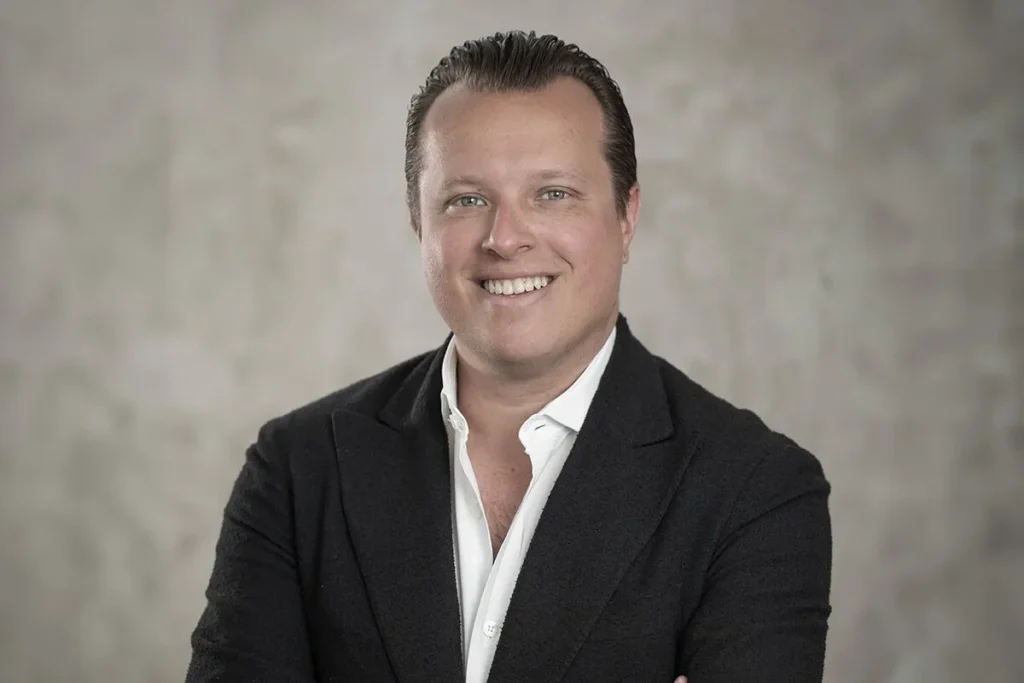
In the opinion of Dominik Duscher, President and CEO of MuseCell Innovations, the main paradigm shift involves working with cells “biologically prepared to survive in the hostile environment of an injured tissue,” rather than relying solely on cells cultured under optimal laboratory conditions. According to him, this persistence capacity is what would allow aiming for structural tissue repair and not just a transient anti-inflammatory effect.
A new direction for regenerative medicine
Research on Muse Cells presents an interesting shift in focus. For years, much of the effort has been centered on producing a greater number of stem cells or improving their expansion in the lab.
Perhaps the question was different: developing cells capable of withstanding the biological environment they must face.
If future research confirms their ability to survive, selectively locate injured tissue, and functionally integrate into it, these therapies could open a new chapter in regenerative medicine applied to aging, cardiovascular disease, neurology, and other degenerative pathologies.
For Duscher, the question that has guided research in recent years — how to administer a greater number of cells to injured tissue — may not have been the right one. The issue, he argues, is identifying which cells are capable of surviving, locating the damage, and functionally integrating into it. That hypothesis is what the next large-scale clinical trials must now confirm.