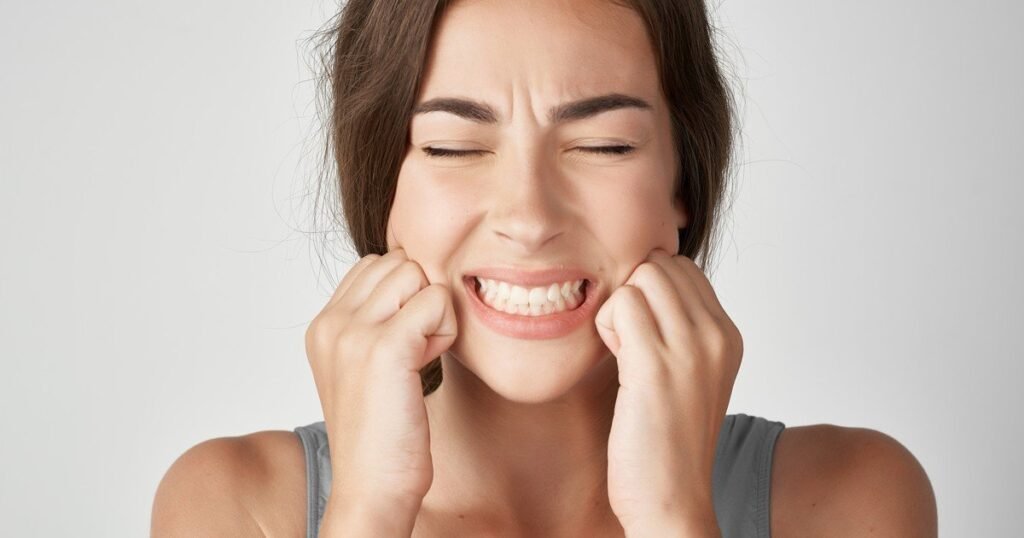
Waking up with the feeling of a heavy jaw, noticing discomfort when chewing, or realizing you've spent half the afternoon clenching your teeth in front of the screen. Bruxism isn't just that nighttime grinding that sometimes gives you a warning; it also happens during the day —often silently and without you noticing— and, when it becomes intense, it can translate into dental wear, jaw pain, and headaches.
From the National Association of Professionals and Self-Employed in Natural Therapies (Cofenat) they focus on looking at this discomfort from an integral and complementary perspective: adding to dental care a specific attention to the musculature and mobility of the jaw. Along this path, Osteopathy can help release muscle tension and improve movement when there is a musculoskeletal component, always as support and never as a substitute for the dentist's diagnosis or treatment.
Caring for enamel and releasing tension are not the same thing
They are often confused, but bruxism and temporomandibular disorders are not identical. Bruxism consists of clenching or grinding the teeth, while temporomandibular disorders affect the jaw joint and the musculature involved in moving it. Although they can occur simultaneously, when the jaw hurts, an individual assessment is advisable to determine which structures are involved.
Having this difference clear allows each tool to be better placed:
- Dentistry protects the teeth —for example, through a prescribed splint— against wear and the pressure of clenching.
- Osteopathy works manually on soft tissues and evaluates jaw movement to relieve muscle discomfort and promote smoother function.
An important nuance to avoid confusion: feeling less pain does not automatically mean that bruxism episodes have stopped occurring.
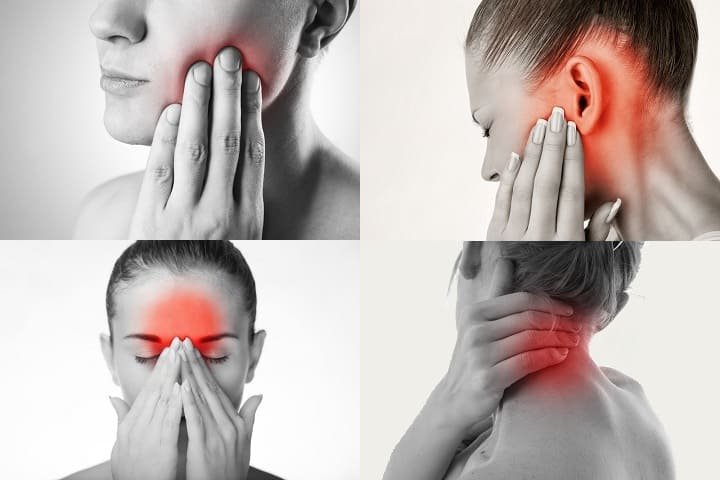
Listening to the body during the day (and looking beyond stress)
Much of the daily work involves observing small gestures that keep the area on guard: clenching the teeth, chewing gum frequently, or biting your nails. If you tend to clench during the day, setting simple alerts or reminders to check whether your teeth are in contact is a practical way to gain body awareness.
And although stress is usually the first suspect, it doesn't explain every case. Genetic factors, caffeine or alcohol consumption, or the use of certain medications can also influence. That's why blaming everything on «nerves» can leave out key pieces of the equation.
In short, a coordinated approach —where dental assessment, review of daily habits, and osteopathic treatment for muscle discomfort join forces— offers a more complete path to caring for the jaw and overall well-being.